

A Guide To BRCA Gene Testing: Getting Prescreened For Breast Cancer Genes
Are you concerned about your risk of developing breast cancer? You’re not alone. As a breast cancer nonprofit, here at Pawsitively 4 Pink we know that many individuals want to be proactive and informed when it comes to their health. That’s why BRCA gene testing has become an essential tool in identifying genetic mutations linked to breast cancer. If you’re considering getting prescreened for breast cancer gene mutations, it’s important to have a clear understanding of what the process entails.
In this comprehensive guide, we will walk you through the most important things you need to know about BRCA gene testing.
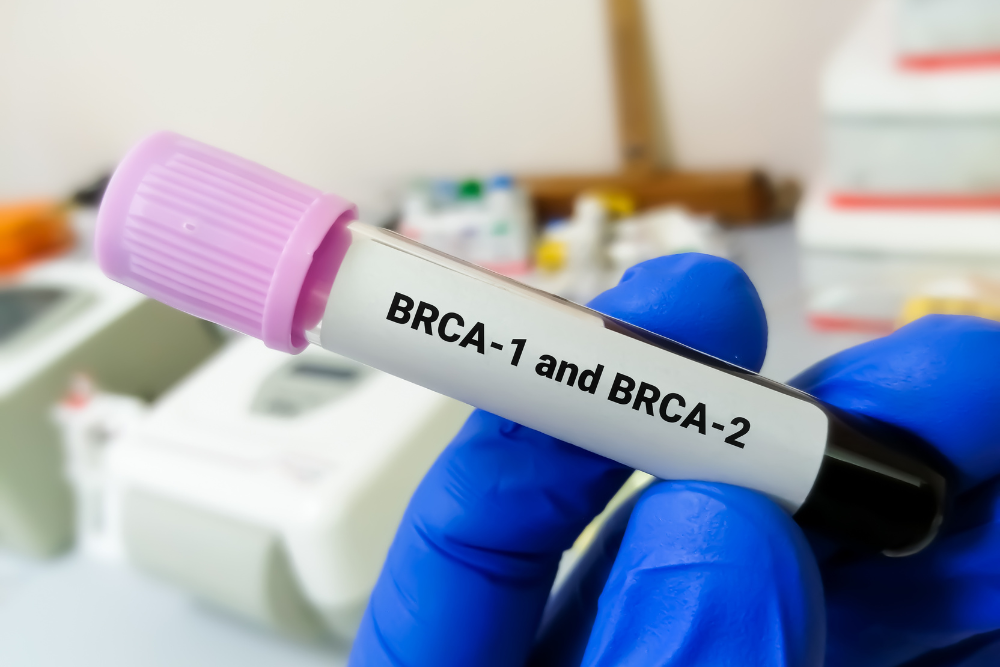
Understanding The BRCA Genes And Their Role In Breast Cancer
The BRCA1 and BRCA2 genes are two of the most well-known and studied genes when it comes to breast cancer risk. These genes play a crucial role in the body's ability to repair damaged DNA, which helps prevent the uncontrolled cell growth that can lead to cancer.
When a person inherits a harmful variant or mutation in one of these genes, it significantly increases their risk of developing certain types of cancer, particularly breast and ovarian cancer. BRCA1 and BRCA2 mutations are responsible for about 5-10% of all breast cancer cases and up to 15% of ovarian cancer cases.
The BRCA genes act as tumor suppressor genes, meaning they help regulate cell growth and division. When these genes are mutated, it can lead to the development of cancerous cells. Individuals with a BRCA mutation have a higher lifetime risk of developing breast cancer (up to 72% for BRCA1 and 69% for BRCA2) and ovarian cancer (up to 44% for BRCA1 and 17% for BRCA2). They may also be at an increased risk for other types of cancer, such as prostate, pancreatic, and melanoma.
Who Should Consider BRCA Gene Testing?
BRCA gene testing is typically recommended for individuals who have a strong family history of breast and/or ovarian cancer, or who have certain personal or ethnic risk factors. Some of the key factors that may indicate a need for breast cancer gene testing include:
- A personal history of breast cancer, especially if diagnosed at a young age (under 50) or if you have been diagnosed with triple-negative breast cancer
- A family history of breast cancer in a first-degree relative (parent, sibling, or child) diagnosed before age 50
- A family history of ovarian cancer, regardless of age at diagnosis
- A family history of both breast and ovarian cancer
- A family history of male breast cancer
- Ashkenazi Jewish ancestry, as BRCA mutations are more common in this population
- A personal or family history of other cancers associated with BRCA mutations, such as prostate, pancreatic, or melanoma
If you have any of these risk factors, it's important to discuss them with your healthcare provider. They can help assess your individual risk and determine if BRCA gene testing is recommended. Early identification of a BRCA mutation can lead to more effective cancer prevention and early detection strategies.

The Benefits And Risks Of BRCA Gene Testing
The primary benefit of BRCA gene testing is the opportunity to take proactive steps to manage your cancer risk. If you test positive for a harmful BRCA mutation, you and your healthcare team can develop a personalized plan to monitor your health more closely and consider preventive measures, such as:
- More frequent breast cancer screenings like mammograms and MRIs
- Consideration of prophylactic (preventive) surgery, such as a mastectomy
- Enhanced screening for other BRCA-related cancers, like ovarian, prostate, or pancreatic cancer
- Targeted cancer treatments, if you do develop cancer
Additionally, BRCA gene testing can provide valuable information for your family members. If you test positive, your blood relatives may also be at risk and could benefit from genetic counseling and testing. This can help them make informed decisions about their own healthcare and cancer prevention strategies.
However, BRCA gene testing is not without its risks and limitations. One of the primary concerns is the potential for discrimination based on the results. While laws like the Genetic Information Nondiscrimination Act (GINA) prohibit employers and health insurers from using genetic information to make decisions about employment or coverage, there are still gaps in protection. It's important to be aware of your rights and the potential implications of your test results.
Another risk is the possibility of receiving inconclusive or uncertain results. In some cases, a genetic variant may be identified, but its significance in terms of cancer risk may not be clear. This may require additional testing or monitoring.

What Does The Process Of BRCA Gene Testing Look Like?
The process of BRCA gene testing typically involves the following steps:
- Consultation with a genetic counselor: Before undergoing BRCA testing, you'll meet with a genetic counselor who will assess your personal and family history, explain the testing process, and help you understand the potential implications of the results.
- Blood or saliva sample collection: The actual BRCA gene test involves a simple blood draw or saliva sample, which is then sent to a specialized laboratory for analysis.
- Waiting for results: The laboratory will analyze your sample to look for specific mutations or variants in the BRCA1 and BRCA2 genes. This process can take several weeks.
Once the results are ready, you'll have another appointment with your genetic counselor to review them. If a harmful BRCA mutation is identified, your counselor will explain what this means for your cancer risk and discuss your options for managing that risk. They'll also provide guidance on informing your family members and helping them navigate the testing process as well.
It's important to note that BRCA gene testing is not a one-size-fits-all process. Depending on your personal and family history, your genetic counselor may recommend additional testing or a more comprehensive genetic panel that looks for mutations in other genes associated with cancer risk.
What To Do If You Test Positive For A BRCA Gene Mutation
If you receive a positive result indicating that you have a harmful BRCA1 or BRCA2 mutation, it's natural to feel a range of emotions, from shock and fear to relief at finally having answers. However, it's important to remember that a positive result does not mean you will inevitably develop cancer. It simply means you have a significantly higher risk and must take proactive steps to manage it.
The first step after receiving a positive BRCA result is to work closely with your healthcare team, including your primary care provider, gynecologist, and a genetic counselor, to develop a personalized plan for cancer prevention and early detection.
In addition to the medical aspects of managing your BRCA-related cancer risk, it's also important to prioritize your emotional and psychological well-being. Receiving a positive BRCA result can be a significant source of stress and anxiety, and it's crucial to seek support from a mental health professional, support group, or other resources to help you cope with the challenges you may face.

The Cost And Insurance Coverage Of BRCA Gene Testing
The cost of BRCA gene testing can vary significantly, depending on factors such as your location, the laboratory performing the test, and your health insurance coverage. On average, the cost of BRCA gene testing can range from $300 to $4,000 or more.
In the United States, the Affordable Care Act (ACA) requires most health insurance plans to cover BRCA testing for individuals who meet certain criteria, such as having a personal or family history of breast and/or ovarian cancer. However, the specific coverage and out-of-pocket costs can vary widely depending on your plan.
It's important to check with your health insurance provider to understand the details of your coverage for BRCA gene testing. Some key things to consider include:
- Whether the test is considered medically necessary based on your risk factors and family history
- The deductible, copay, or coinsurance you may be responsible for
- Whether the test must be performed by an in-network provider to be covered
- Any pre-authorization or referral requirements from your insurance provider
If you don't have health insurance or your plan doesn't cover BRCA testing, there are other options to consider. Some laboratories offer financial assistance programs or payment plans to help make the testing more affordable. Additionally, there are breast cancer nonprofit organizations and breast cancer foundations that may be able to provide grants or subsidies to cover the cost of BRCA testing for eligible individuals.
We hope we cleared up your doubts about getting prescreened for breast cancer genes! As a breast cancer nonprofit, Pawsitively 4 Pink relies on and appreciates every single donation that people like you make. Thank you if you decide to donate!
If you are passionate about helping people with breast cancer in your community, check out our volunteering opportunities.

I Found a Lump in My Breast… Now What?
You're in front of your dresser and your hand runs through your chest. You feel something and just to be certain, you touch your breast again and this time, you're sure that you felt a lump. Most women self-examine their breasts and once they find a lump, they freeze. Now the question is, what do you do when this happens?
First and foremost, don't panic. Research shows that 85% of breast lumps are benign, which means they are noncancerous, especially in women who haven't yet hit 40. Women over 40 are normally encouraged to have regular mammograms and if those mammograms always turn negative, the odds are even higher that the lump you felt isn't cancerous.
According to most obstetricians, before a palpable lump appears on a woman's breast, something will already have been detected during a mammogram screening. Despite most women knowing this, the worrying and stress it has not stopped anyone from worrying once they feel a lump. The only way to be sure is to differentiate between a benign lump and a breast cancer lump.
Understanding your breasts
Your breasts consist of fat, blood vessels, nerves, glandular tissue, fibrous connective tissue, ducts, and milk-producing lobules. All these make your breasts quite lumpy. The major difference between a benign lump and a cancerous lump is that a benign one is fluid-filled and rolls between your fingers. A cancerous lump is normally hard and feels stuck in one place.
The other difference has to do with pain. Breast cancer, in most cases, doesn't cause pain. Inflammatory breast cancer is an exception to this, as it comes with symptoms of aching or burning in the breast. Benign conditions might also be accompanied by painful symptoms, but at times, this isn't the case.
The only sure way to know the nature of a breast lump is via medical tests such as a mammogram, fine needle aspiration, or ultrasound. These tests should be done at a medical facility that has all the equipment and with experts who can read the results.
Understanding the tests
What is a mammogram?
An X-ray examination of the breast is referred to as a mammogram. It is a process used to detect breast diseases or any breast problems, such as nipple discharge, lumps, or pain. This procedure enables the detection of benign tumors, cysts, and breast cancers before they can be detected via touch. All women are encouraged to frequently do a mammogram, whether or not they have breast health-related issues.
There are factors or conditions that may affect your mammogram results, such as
- Having had a previous breast surgery
- Hormonal breast changes
- Deodorant, lotions, creams, or talcum powder applied on breasts or under the arms
- Breast implants; these prevent the complete visualization of the breast area, hence hiding tissue
You should inform your medical examiner if any of these apply to you so that they can make the required preparations.
How to prepare yourself for a mammogram
The first thing is scheduling a date for the mammogram. It is advisable to do this two weeks before your period starts because breasts do become tender a week before and during menstruation. Once again, if you have breast implants, please notify the facility when scheduling the exam.
Expectant mothers or those who think they might be pregnant should consult a medical doctor before scheduling a mammogram. Discuss all options with your doctor. If you are breastfeeding, you should mention this to the mammography technician.
Avoid using lotion, perfume, deodorant, or powder on the day of the examination. Note that you'll have to remove clothes from the waist up, so wear something that you can easily get out of. It is also advisable to leave all jewelry and valuables at home. The health care provider or technologist will request other specific preparation based on your medical condition.
What is a fine-needle aspiration or FNA?
There are situations where a mammogram can't prove that a certain body area is cancerous even though there are high chances that it is. In such situations, the tissue will be extracted via a needle for biopsy. The tissue will then be scrutinized under a microscope to determine if it is cancer or not.
FNA is just one of the several breast biopsy procedures as the type of biopsy done depends on the size and location of the breast lump.
How to prepare yourself for a biopsy
The entire procedure should be explained to you by the technologist and you should ask all the questions you might have. A consent form will be provided, but you should go through it carefully before signing anything. Once again, seek clarification on points that you don't understand.
If your breast is numbed using local anesthesia and you are awake, then you don't have much preparation. If general anesthesia will be used to put you into a deep sleep, then you will have to fast before the surgery. Your surgeon will explain everything before the procedure.
Once again, apply nothing to your breast or underarms. Inform your healthcare provider if you suspect you could be pregnant or you are pregnant. You should also inform them of any allergies. Perhaps you could be allergic to latex or anesthesia. You should also let them know if you are on any medication or taking supplements. This is also the time to say if you have a history of bleeding disorders.
Since you will be drowsy and groggy after, ensure that someone is on standby to drive you home.
What is an ultrasound?
When sound waves are used to examine your breasts, we refer to the method as a breast ultrasound. It will help the medical examiner spot any issues and also see how well blood flows to your breast areas. Ultrasounds are normally used when there is a change that fails to show up in a mammogram.
A breast ultrasound is not normally used to detect breast cancer, the reason being that it may fail to detect some early signs. For example, one early cancer sign it might not detect is micro-calcifications, which are small calcium deposits. So in what cases are an ultrasound method used?
- When the breast tissue is really dense and the mammogram cannot see through it.
- When pregnant. Ultrasound doesn't make use of radiation like mammography.
- You are below 25 years of age.
- When there is a need to look at the surrounding lymph nodes. This is essential when removing cyst fluid or guiding a needle during a biopsy.
- The health provider may recommend other reasons.
How to prepare yourself for an ultrasound
Your healthcare service provider should explain the entire procedure to you. Don't be afraid to ask all the questions that you may have. There are situations where you might be given a consent form to sign before the test. It is important that you go through the form carefully and ask for clarification when something is not clear.
There is no need to stop eating or drinking before the test. Just relax and please, don't take any medicine for it. Breathe easy. Once again, avoid putting lotion, deodorant, or any other substances on your breasts that day. You should also wear clothes you can easily take off and that allow the technologist to easily examine your chest area. Some gel will be applied to your skin during the test. Follow any other instructions as required during the test.
Information is power, so when you feel a lump on your breast, seek medical advice as ll breast lumps should be evaluated by a medical professional. Once the cause of the lump is established, treatment can begin. So, finding a lump on your breast is not always a cause for alarm, it is a cause for taking the right action.
If you'd like to help make a difference in the lives of women experiencing breast cancer, you can volunteer with us a Pawsitively 4 Pink or make a small donation.