

Paws and Poses: Gentle Yoga You Can Do With Your Fur Baby
Paws and Poses: Gentle Yoga You Can Do With Your Fur Baby

Why Yoga With Your Pet?
If you’ve ever rolled out a yoga mat, you know how quickly your furry friend wants to join in. From curious sniffs to tail-wagging encouragement, your pet’s presence can make your wellness routine even more uplifting.
Pet yoga (sometimes called doga) blends gentle stretches, mindful breathing, and the companionship of your four-legged best friend. It’s not about nailing perfect poses; it’s about connection, joy, and a little laughter along the way.
Gentle yoga can be a powerful tool in easing some of the common side effects that come with a breast cancer journey. Fatigue, for example, often lingers long after treatment, and while rest is important, mindful movement can be just as restorative. Flowing through slow, intentional poses in rhythm with your breath helps awaken the body, boost energy, and lift your mood.
Preparing for a Fur-Friendly Yoga Session
Before you start, make sure you and your pet have a calm, safe space.
- Choose a quiet area with minimal distractions.
- Use a sturdy mat for traction (for both paws and bare feet).
- Have water handy, as stretching is thirsty work for humans and pets.
If your pet isn’t used to yoga time, start slow. Encourage them to join you without forcing participation; sometimes they’ll nap next to you, other times they’ll join in the fun.
If you and your furry friend are new to pet yoga, we recommend exploring this YouTube series for a fun and gentle introduction.
5 Gentle Yoga Poses You Can Do With Your Pet
These beginner-friendly moves can help you both relax and bond.
1. Heart-Opening Seated Pose
Sit cross-legged with your pet in your lap or beside you. Place one hand over your heart and the other gently on your pet. Breathe deeply, focusing on gratitude.
2. Supported Child’s Pose
Kneel on the mat, hips over heels, and fold forward. Let your pet snuggle under you or rest their head on your arms.
3. Cat-Cow Flow
On hands and knees, alternate arching and rounding your back. Your cat might join in naturally, dogs may just enjoy watching!
4. Downward Dog
From hands and knees, lift your hips high into an inverted V-shape. Encourage your pup to “stretch” alongside you.
5. Savasana With Snuggles
Lie flat on your back, arms relaxed, and invite your pet to cuddle on your chest or beside you for a peaceful finish.
For a deeper dive into yoga form and modifications, check out this beginner’s yoga guide from Yoga Journal.
Benefits for Both You and Your Fur Baby
- Stress relief: Petting your companion while stretching can lower cortisol and boost oxytocin levels.
- Gentle exercise: Keeps you both moving without high-impact strain.
- Bond building: Quality time strengthens trust and affection.
- Mental wellness: The mix of mindful breathing, movement, and animal companionship supports emotional health.
Discover several other ways to lower your risk of Breast Cancer.
The Pink Paws Project: Comfort Dogs for Families Affected by Breast Cancer
At Pawsitively 4 Pink, we believe healing comes in many forms, sometimes on four paws with a wagging tail. That’s why, in partnership with Emily’s Interiors, we have The Pink Paws Project, a heartwarming program that places specially selected comfort dogs with families affected by breast cancer.
These incredible dogs aren’t just companions; they’re trained to provide emotional support, a calming presence, and unconditional love during some of life’s most challenging moments.
Thanks to the generous sponsorship of Emily’s Interiors, each dog receives thorough placement and training, while Pawsitively 4 Pink ensures families have ongoing resources, community connections, and volunteer support.
If you or someone you love could benefit from a comfort dog, we invite you to apply.

The Cost of Cancer: What No One Talks About and How We Help
The Cost of Cancer: What No One Talks About and How We Help

When most people hear the word “cancer,” they think about chemotherapy, radiation, and hospital visits.
What they don’t often think about is the financial collapse that can follow. The daily essentials that suddenly become out of reach. The emotional weight of choosing between treatment and basic survival. At Pawsitively 4 Pink, we witness the full reality every day. The cost of cancer reaches far beyond the hospital room. It impacts every part of a woman’s life.
It’s Not Just the Medical Bills
Yes, cancer treatment is expensive. But that is only the beginning.
For low-income and underserved women, the financial toll includes more than just doctor visits or medication. It includes missed work or losing a job entirely. It includes paying for childcare during long appointments. It includes fuel to get to and from treatment. It includes food, rent, utilities, and essential daily living expenses.
Studies show that 3 out of 4 people with cancer worry about how they will pay for the cancer treatment and keep up with their day-to-day costs. Now imagine trying to cover those costs without a steady income.
Financial Stress Becomes Emotional Burnout
This is not just a financial issue. It affects mental health, physical healing, and quality of life.
The overwhelming stress of managing cancer while navigating financial instability has a name. It is called financial toxicity and it can lead to devastating consequences.
- Women delay treatments.
- They skip medications.
- They suffer from anxiety, depression, and even higher mortality risk.
This is the side of breast cancer people rarely discuss, and no woman should ever carry that burden alone.
How Pawsitively 4 Pink Offers Real Support
Pawsitively 4 Pink is here to close the gap. We serve women in Worcester, Massachusetts and nearby communities who are often overlooked and underserved.
Here is how we help:
- Financial Relief: We pay for rent, gas, groceries, and basic utilities so women can focus on healing
- Emotional Support: We check in regularly and provide a trusted community
- Comfort Dogs: Our Pink Paws Project brings comfort and companionship through emotional support dogs
- Continued Care: We continue providing help for up to six months after treatment ends
Breast Health Awareness
In April 2025, Pawsitively 4 Pink proudly partnered with breast cancer survivor Lauren Howe to launch the Feel Your Breast initiative, a heartfelt program designed to provide comfort, confidence, and care to women undergoing breast cancer treatment. In collaboration with Fitchburg's First Class Hair Design and other local salons, this initiative offers up to five complimentary hair washes and blowouts, along with free hair loss consultations. More than just a beauty service, Feel Your Breast aims to restore a sense of normalcy and dignity during a challenging time.
The program was born from Lauren’s own experience during treatment, where a simple act of kindness from her hairstylist inspired something bigger. Now, as part of her project through the North Central Massachusetts Community Leadership Institute, Lauren is inviting salons across the state to be part of this movement. Participating locations not only provide these restorative services but also help share life-saving education in a safe, welcoming space.
How You Can Help Right Now
You do not need a medical degree or a pink ribbon to make a real difference.
Here are three ways you can take action today:
- Donate: Make a one-time or monthly contribution
- Sponsor: Support one of our events or programs through your business
- Share: Send this blog to a friend, family member, or colleague who needs to read it
Every act of generosity helps another woman stay strong during the hardest chapter of her life.


Finding Calm During Your Cancer Journey with Herbal Teas
Finding Peace in Your Cup: The Best Calming Herbal Teas for Stress Relief
At Pawsitively 4 Pink, we understand that a breast cancer diagnosis brings countless challenges. Through our work supporting breast cancer warriors, we've learned that finding moments of peace is crucial for emotional well-being. That's why we're sharing one of our community's most cherished comfort practices - the healing power of herbal tea.
From calming chamomile to nurturing peppermint, these natural remedies offer breast cancer warriors a gentle way to create pockets of tranquility between appointments, during recovery, or on challenging days. Many of our P4P community members have found that creating a daily ritual becomes a precious moment of self-care—a time to breathe, reflect, and gather strength for the road ahead.
One of our favorite ways to find calm in the chaos is with a warm, soothing cup of herbal tea. It’s like a hug in a mug, bringing comfort when life feels overwhelming. On those days when everything moves at lightning speed, taking a mindful pause can make all the difference. That’s where these natural warriors shine. Whether it’s the bedtime bliss of chamomile, the floral serenity of lavender, or the deep relaxation of passionflower, each herb offers its own special magic in every sip.

Why Herbal Tea?
Unlike caffeinated beverages that might increase anxiety, herbal teas offer gentle, natural support for relaxation. These caffeine-free alternatives work with your body's natural rhythms to promote calmness without causing drowsiness.
Top Calming Herbal Teas
So many traditional teas and herbal blends help relieve stress, anxiety, and even things like nausea, and Insomnia.
Here are our top favorites:
Chamomile The classic soother, chamomile contains compounds that bind to the same brain receptors as anti-anxiety medications. Perfect for: • Bedtime relaxation • Easing nervous tension • Promoting better sleep quality
Lavender Known for its gentle sedative properties, lavender tea can: • Reduce stress levels • Calm racing thoughts • Improve sleep quality • Ease digestive tension
Lemon Balm This mint family member helps: • Reduce anxiety and stress • Improve mood • Enhance mental clarity • Support digestive health
Passionflower A powerful relaxant that can: • Calm overthinking • Ease nervous tension • Support restful sleep • Reduce anxiety symptoms
Creating Your Perfect Relaxation Ritual
Just as P4P provides a support system for your cancer journey, creating a tea ritual can be your daily moment of self-care.
Whether you're:
- Getting ready for a treatment session
- Resting at home and regaining strength
- Connecting with fellow P4P members
- Taking a quiet moment to breathe between appointments
The best part? This isn't about adding another "should" to your list. It's about giving yourself permission to pause, breathe, and just be. Each cup is an invitation to slow down and show yourself some love - because you deserve that moment of peace!

Finding Calm in Your Cancer Journey
When facing breast cancer, managing anxiety and stress isn't just about comfort—it's an essential part of the healing journey. Studies show that stress reduction can positively impact treatment outcomes and overall well-being.
From calming chamomile to nurturing peppermint, these natural remedies offer a gentle way to find moments of peace during treatment. Plus, many herbal teas provide antioxidants and other beneficial compounds that can support your body's healing process. Creating a relaxing tea ritual can become a daily act of self-care, giving you a moment to breathe, reflect, and find strength in stillness.
Conclusion
Remember, taking time for yourself isn't a luxury—it's an essential part of your healing journey. Whether you're sipping a warm cup of chamomile before bed, enjoying refreshing peppermint tea during treatment days, or sharing a calming cup of lavender tea with a friend, you're doing more than just drinking tea—you're practicing self-care and nurturing your body and spirit. Your journey with breast cancer may be challenging, but finding ways to support yourself can make a meaningful difference. As always, consult with your healthcare team about incorporating herbal teas into your routine, and remember that you're not just surviving—you're finding new ways to thrive. Remember that P4P is here to help with both emotional and financial support during your journey. If you or someone you know is battling breast cancer and needs assistance, reach out to Pawsitively 4 Pink. Visit pawsitively4pink.org because no one should face breast cancer alone.

Managing Holiday Stress with Grace as a Cancer Patient
The holiday season often brings joy, connection, and reflection. However, for those navigating a breast cancer diagnosis or treatment, it can also introduce additional layers of stress and emotional complexity. Balancing the season's expectations while managing health challenges might feel overwhelming, but with planning and self-compassion, it's possible to embrace the holidays in a way that feels fulfilling and manageable.
1. Prioritize Your Well-being
Your health and well-being are the most important priorities during this time. It's okay to scale back on holiday commitments and focus on what truly brings you comfort and joy. Communicate openly with loved ones about your needs and limitations. If you feel fatigued or overwhelmed, give yourself permission to say no to events or responsibilities that don’t align with your energy levels. Remember that setting boundaries is not selfish—it’s a vital part of your healing process. Prioritizing rest and balance can help you preserve energy for the moments that matter most.
2. Simplify Holiday Traditions
 If holiday traditions feel daunting, simplify them. Instead of hosting a large gathering, consider a smaller, more intimate get-together. If cooking a full holiday meal feels overwhelming, delegate tasks to friends or family or opt for pre-made dishes from a local market. Simplifying decorations or gift exchanges can also reduce stress and keep things manageable. Focus on meaningful rituals that bring you joy rather than feeling obligated to uphold every tradition. Remember, the holidays are about connection and meaning, not perfection.
3. Practice Self-Care
 Amid the flurry of seasonal activities, prioritize moments of self-care. Create a peaceful environment with soothing candles or holiday music. Relax with a warm bath, meditation, or light stretching. Keeping a journal to express your feelings can also help release stress and promote emotional well-being. Allow yourself the space to rest and recharge whenever needed. Even small acts, like drinking a calming tea or reading an inspiring book, can help you reconnect with yourself and create a sense of calm amidst the holiday bustle. Self-care is not indulgent—it’s essential for your physical and emotional recovery.
4. Lean on Your Support Network
 Engage with a community of individuals who share similar experiences. You’re not alone in this journey, and finding solidarity can be a powerful reminder of your resilience. If the holidays amplify feelings of stress, anxiety, or sadness, consider seeking support from a therapist or counselor. Don’t be afraid to lean on your support network. Ask for help with shopping, decorating, or other overwhelming tasks. Loved ones often want to assist but may not know how. Whether it’s arranging a carpool for appointments or simply sitting with you during a quiet moment, small gestures can ease the load.
5. Give Yourself Grace
 Above all, give yourself grace. Let go of societal expectations or pressures to "make the most" of the holidays. Your experience is unique, and your well-being comes first. Celebrate in a way that feels right for you, whether it’s with festive traditions or quiet moments of reflection. Reflect on what truly brings you joy during the holidays. Is it spending time with close family, watching festive movies, or decorating a small tree? Prioritize these activities, and let go of the things that feel like added pressure. Embrace mindfulness by savoring small pleasures, like a warm drink by the fireplace or the sparkle of holiday lights.
A Season of Compassion
The holidays can still be a season of hope and love, even during challenging times. By prioritizing your well-being, leaning on your support network, and embracing meaningful moments, you can navigate this season with grace and resilience. Remember, the best gift you can give yourself is compassion and care.
If you’re looking for support, consider attending one of our events or applying for one of our assistance programs. Remember, as you face the complexities of a breast cancer journey, know that you are not alone. Your strength and courage are inspiring, and your presence in the lives of your loved ones is a gift beyond measure.

A Guide To BRCA Gene Testing: Getting Prescreened For Breast Cancer Genes
Are you concerned about your risk of developing breast cancer? You’re not alone. As a breast cancer nonprofit, here at Pawsitively 4 Pink we know that many individuals want to be proactive and informed when it comes to their health. That’s why BRCA gene testing has become an essential tool in identifying genetic mutations linked to breast cancer. If you’re considering getting prescreened for breast cancer gene mutations, it’s important to have a clear understanding of what the process entails.
In this comprehensive guide, we will walk you through the most important things you need to know about BRCA gene testing.
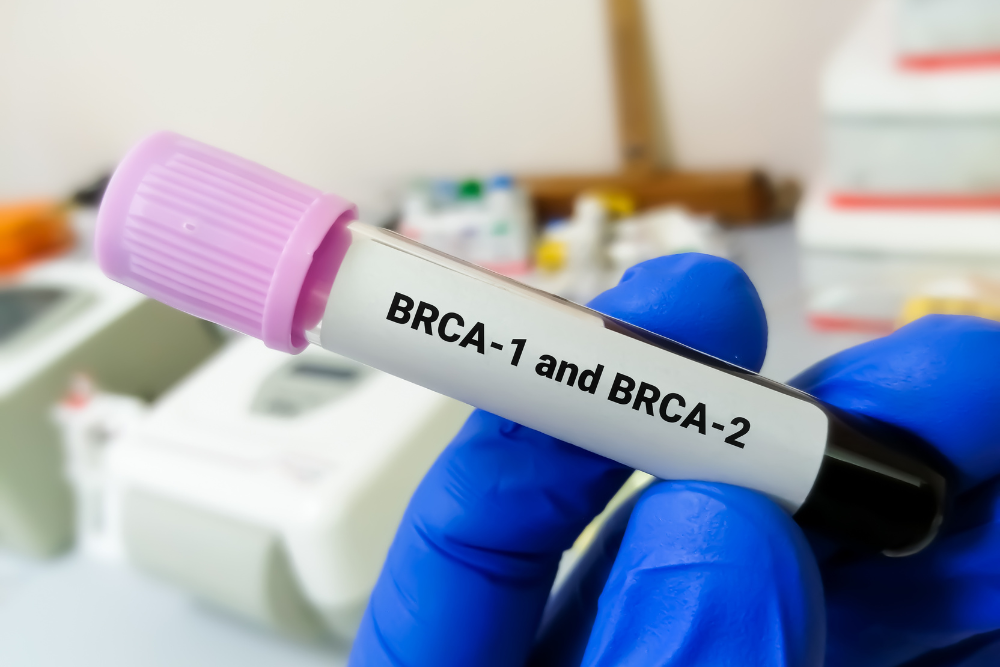
Understanding The BRCA Genes And Their Role In Breast Cancer
The BRCA1 and BRCA2 genes are two of the most well-known and studied genes when it comes to breast cancer risk. These genes play a crucial role in the body's ability to repair damaged DNA, which helps prevent the uncontrolled cell growth that can lead to cancer.
When a person inherits a harmful variant or mutation in one of these genes, it significantly increases their risk of developing certain types of cancer, particularly breast and ovarian cancer. BRCA1 and BRCA2 mutations are responsible for about 5-10% of all breast cancer cases and up to 15% of ovarian cancer cases.
The BRCA genes act as tumor suppressor genes, meaning they help regulate cell growth and division. When these genes are mutated, it can lead to the development of cancerous cells. Individuals with a BRCA mutation have a higher lifetime risk of developing breast cancer (up to 72% for BRCA1 and 69% for BRCA2) and ovarian cancer (up to 44% for BRCA1 and 17% for BRCA2). They may also be at an increased risk for other types of cancer, such as prostate, pancreatic, and melanoma.
Who Should Consider BRCA Gene Testing?
BRCA gene testing is typically recommended for individuals who have a strong family history of breast and/or ovarian cancer, or who have certain personal or ethnic risk factors. Some of the key factors that may indicate a need for breast cancer gene testing include:
- A personal history of breast cancer, especially if diagnosed at a young age (under 50) or if you have been diagnosed with triple-negative breast cancer
- A family history of breast cancer in a first-degree relative (parent, sibling, or child) diagnosed before age 50
- A family history of ovarian cancer, regardless of age at diagnosis
- A family history of both breast and ovarian cancer
- A family history of male breast cancer
- Ashkenazi Jewish ancestry, as BRCA mutations are more common in this population
- A personal or family history of other cancers associated with BRCA mutations, such as prostate, pancreatic, or melanoma
If you have any of these risk factors, it's important to discuss them with your healthcare provider. They can help assess your individual risk and determine if BRCA gene testing is recommended. Early identification of a BRCA mutation can lead to more effective cancer prevention and early detection strategies.

The Benefits And Risks Of BRCA Gene Testing
The primary benefit of BRCA gene testing is the opportunity to take proactive steps to manage your cancer risk. If you test positive for a harmful BRCA mutation, you and your healthcare team can develop a personalized plan to monitor your health more closely and consider preventive measures, such as:
- More frequent breast cancer screenings like mammograms and MRIs
- Consideration of prophylactic (preventive) surgery, such as a mastectomy
- Enhanced screening for other BRCA-related cancers, like ovarian, prostate, or pancreatic cancer
- Targeted cancer treatments, if you do develop cancer
Additionally, BRCA gene testing can provide valuable information for your family members. If you test positive, your blood relatives may also be at risk and could benefit from genetic counseling and testing. This can help them make informed decisions about their own healthcare and cancer prevention strategies.
However, BRCA gene testing is not without its risks and limitations. One of the primary concerns is the potential for discrimination based on the results. While laws like the Genetic Information Nondiscrimination Act (GINA) prohibit employers and health insurers from using genetic information to make decisions about employment or coverage, there are still gaps in protection. It's important to be aware of your rights and the potential implications of your test results.
Another risk is the possibility of receiving inconclusive or uncertain results. In some cases, a genetic variant may be identified, but its significance in terms of cancer risk may not be clear. This may require additional testing or monitoring.

What Does The Process Of BRCA Gene Testing Look Like?
The process of BRCA gene testing typically involves the following steps:
- Consultation with a genetic counselor: Before undergoing BRCA testing, you'll meet with a genetic counselor who will assess your personal and family history, explain the testing process, and help you understand the potential implications of the results.
- Blood or saliva sample collection: The actual BRCA gene test involves a simple blood draw or saliva sample, which is then sent to a specialized laboratory for analysis.
- Waiting for results: The laboratory will analyze your sample to look for specific mutations or variants in the BRCA1 and BRCA2 genes. This process can take several weeks.
Once the results are ready, you'll have another appointment with your genetic counselor to review them. If a harmful BRCA mutation is identified, your counselor will explain what this means for your cancer risk and discuss your options for managing that risk. They'll also provide guidance on informing your family members and helping them navigate the testing process as well.
It's important to note that BRCA gene testing is not a one-size-fits-all process. Depending on your personal and family history, your genetic counselor may recommend additional testing or a more comprehensive genetic panel that looks for mutations in other genes associated with cancer risk.
What To Do If You Test Positive For A BRCA Gene Mutation
If you receive a positive result indicating that you have a harmful BRCA1 or BRCA2 mutation, it's natural to feel a range of emotions, from shock and fear to relief at finally having answers. However, it's important to remember that a positive result does not mean you will inevitably develop cancer. It simply means you have a significantly higher risk and must take proactive steps to manage it.
The first step after receiving a positive BRCA result is to work closely with your healthcare team, including your primary care provider, gynecologist, and a genetic counselor, to develop a personalized plan for cancer prevention and early detection.
In addition to the medical aspects of managing your BRCA-related cancer risk, it's also important to prioritize your emotional and psychological well-being. Receiving a positive BRCA result can be a significant source of stress and anxiety, and it's crucial to seek support from a mental health professional, support group, or other resources to help you cope with the challenges you may face.

The Cost And Insurance Coverage Of BRCA Gene Testing
The cost of BRCA gene testing can vary significantly, depending on factors such as your location, the laboratory performing the test, and your health insurance coverage. On average, the cost of BRCA gene testing can range from $300 to $4,000 or more.
In the United States, the Affordable Care Act (ACA) requires most health insurance plans to cover BRCA testing for individuals who meet certain criteria, such as having a personal or family history of breast and/or ovarian cancer. However, the specific coverage and out-of-pocket costs can vary widely depending on your plan.
It's important to check with your health insurance provider to understand the details of your coverage for BRCA gene testing. Some key things to consider include:
- Whether the test is considered medically necessary based on your risk factors and family history
- The deductible, copay, or coinsurance you may be responsible for
- Whether the test must be performed by an in-network provider to be covered
- Any pre-authorization or referral requirements from your insurance provider
If you don't have health insurance or your plan doesn't cover BRCA testing, there are other options to consider. Some laboratories offer financial assistance programs or payment plans to help make the testing more affordable. Additionally, there are breast cancer nonprofit organizations and breast cancer foundations that may be able to provide grants or subsidies to cover the cost of BRCA testing for eligible individuals.
We hope we cleared up your doubts about getting prescreened for breast cancer genes! As a breast cancer nonprofit, Pawsitively 4 Pink relies on and appreciates every single donation that people like you make. Thank you if you decide to donate!
If you are passionate about helping people with breast cancer in your community, check out our volunteering opportunities.

How Quickly Can Breast Cancer Develop?
In the realm of breast cancer awareness, time is of the essence. Understanding how quickly breast cancer can develop is crucial for early detection and effective treatment. Let's delve into the timely threads of breast cancer development and the impactful work of this good charity.
The Urgency of Awareness:
How quickly can breast cancer develop? This question echoes through the minds of women everywhere, emphasizing the urgency of awareness and regular screenings. Pawsitively4Pink advises women to undergo regular screenings as recommended by healthcare professionals. These screenings may include mammograms and clinical breast exams. Typically, women aged 40 and above are encouraged to have mammograms annually, but it's essential to consult with healthcare providers to determine the most suitable screening schedule based on individual risk factors and health history. By staying vigilant and proactive, women can take charge of their health and contribute to the early detection and effective management of breast cancer.
 Testing for Cancer: A Vital Step
 Testing for Cancer: A Vital Step
Wondering, "How do I get tested for cancer?" Early detection is a factor that has been instrumental in boosting survival rates. According to recent statistics, the five-year survival rate for breast cancer diagnosed at an early, localized stage is an encouraging 99%. This underscores the positive impact of timely screenings and the potential for successful treatment outcomes.
When women actively engage in routine screenings, the chances of detecting breast cancer at an earlier stage significantly increase. Studies show that when breast cancer is diagnosed before it has spread beyond the breast, the five-year survival rate climbs to an impressive 91%.
By staying informed and taking timely action, women can play a pivotal role in the fight against breast cancer, enhancing their chances of early detection and successful treatment.
Initiating a conversation with your doctor about breast cancer screening is a crucial step in taking control of your well-being. When discussing this with your healthcare provider, share any concerns or changes in breast health. Ask about recommended screening guidelines based on your age and risk factors, covering aspects like mammograms and clinical breast exams. In many cases, routine screenings, such as mammograms, can be conducted by your regular physician. It's important to consult with your healthcare provider to determine the most suitable screening schedule based on your unique circumstances. Personalized risk assessment, open communication, and proactive collaboration contribute to a comprehensive approach to breast health, ensuring that your screenings are tailored to your individual needs. If necessary, your doctor may refer you to a specialist or recommend additional tests.
Good Charity Making a Difference:
Pawsitively4Pink isn't just a charity; it's a force of good in the community. By focusing its efforts on Worcester, MA, this nonprofit ensures that its impact is deeply felt, providing both financial and emotional support to women undergoing traditional or holistic breast cancer treatments. The organization's commitment to the local community makes it a shining example of a good charity that truly cares, and can help underserved women in the community afford breast cancer treatment. Friends link arms and wear pink socks, ribbons, and tutus as they walk in solidarity with the women battling breast cancer.
Breast Cancer Bracelets: Show Your Support
As part of their fundraising efforts, Pawsitively4Pink has introduced a meaningful and stylish way to show support. We are selling breast cancer bracelets and keychains with the empowering message, "Support Your Breast Friend." Not only are these accessories a fashionable statement, but they also directly benefit women in the Worcester community with the sale of each one. It's a tangible way to contribute to the cause and spread awareness, as well as getting involved with our nonprofit.
 Purchasing one of Pawsitively4Pink's bracelets or keychains goes beyond accessorizing—it becomes a gesture of solidarity and support for women facing breast cancer. The funds raised through these items contribute to the nonprofit's mission of providing assistance, creating a community-driven approach to battling breast cancer in Worcester, MA.
In the face of breast cancer, time is a precious resource. "How quickly can breast cancer develop" is not just a question—it's a call to action. Pawsitively4Pink answers this call by being a good charity that focuses its efforts on the Worcester, MA community, offering support, education, and tangible ways for everyone to contribute. Together, we can make a lasting impact on the lives of women facing this challenging journey.