
Treatment May Be Over. Healing Is Not.
There is a moment that many women look forward to throughout breast cancer treatment: the final appointment, the last radiation session, the end of chemotherapy, or the day someone says, “You are done.”
For family and friends, that moment can feel like a finish line. They celebrate. They exhale. They may lovingly say, “Now you can get back to normal.” But for many women, those words do not match what is happening inside. Treatment may be over, but the body, mind, and heart are still trying to process everything that happened. The calendar may say one chapter has ended, but healing often continues quietly long after the appointments slow down.
At Pawsitively 4 Pink, we have walked beside women and families through the visible and invisible parts of breast cancer. We have seen the courage it takes to show up for treatment. We have also seen the quieter courage it takes to rebuild life afterward. If you have ever wondered why you do not feel like yourself yet, why you are still exhausted, or why you feel emotional when everyone else seems ready to move forward, please hear this clearly: you are not failing. You are healing.
When Everyone Thinks You Are Better
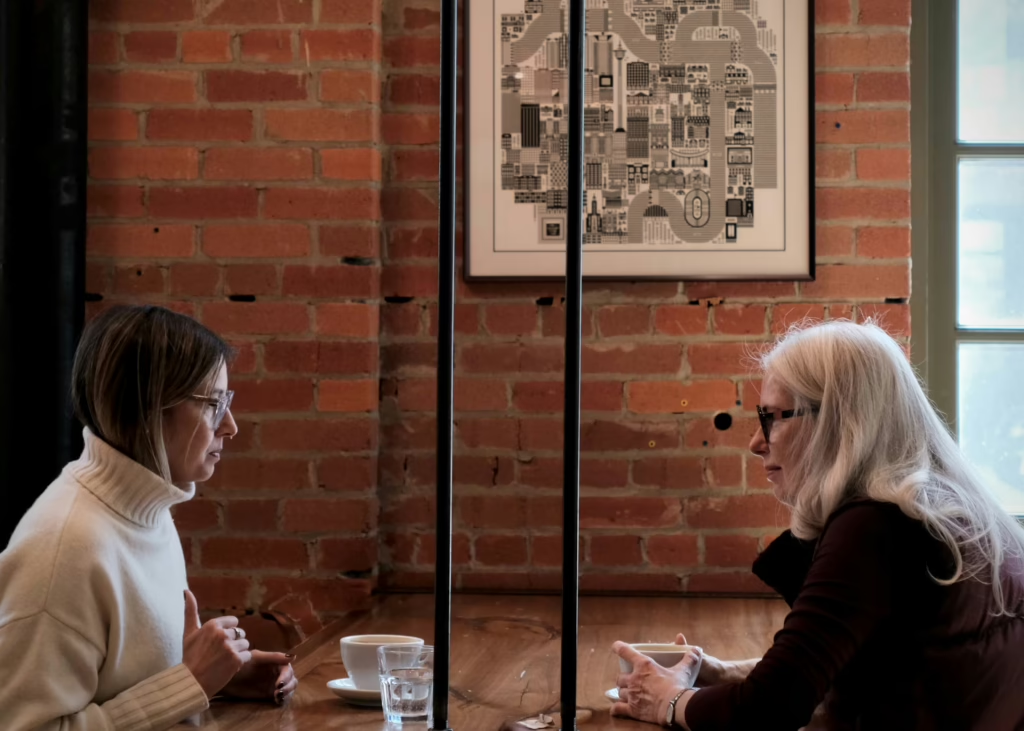
One of the hardest parts of life after breast cancer treatment is that the outside world often sees recovery differently than the person living it. From the outside, people may see strength, courage, and survival. They may see someone who has completed treatment and assume the hardest part is over. What they may not see is the exhaustion that still arrives without warning. They may not see the anxiety before follow-up appointments. They may not understand the fear that can appear with a new ache, a routine scan, or a quiet moment at night.
The National Cancer Institute describes cancer survivorship as including the physical, emotional, social, and practical issues that can continue after treatment. In other words, survivorship is not just a medical status. It is a real stage of care and adjustment.
The American Cancer Society also recognizes that life after breast cancer treatment can include ongoing follow-up care, concerns about recurrence, body changes, and emotional adjustment. These are not small details. They are part of the recovery experience.
That is why support matters after treatment, not only during treatment. The need does not disappear just because the appointments become less frequent.
The Recovery No One Sees
Breast cancer recovery is often discussed as if it is mostly physical. But healing is not only about the body. It is also about confidence, identity, relationships, finances, daily routines, and emotional safety.
Some women feel pressure to be grateful all the time. Others feel guilty for still struggling. Some are surrounded by people but still feel alone, because everyone else seems ready for life to return to normal.
The truth is that recovery can be complicated. It may include relief, sadness, gratitude, fear, anger, confusion, and hope, sometimes all in the same week. There is no one correct emotional response to surviving breast cancer.
Common Challenges After Breast Cancer Treatment
Every woman is different, but many survivors describe some version of these experiences after treatment:
- Fatigue that feels deeper than normal tiredness.
- Fear of recurrence before scans, appointments, or unexplained symptoms.
- Brain fog, forgetfulness, or difficulty concentrating.
- Changes in body image, confidence, intimacy, or self-esteem.
- Financial stress from missed work, medical costs, transportation, or household bills.
- Loneliness after the intense support of active treatment fades.
Cancer.Net, from the American Society of Clinical Oncology, emphasizes that moving forward after cancer can involve physical, emotional, social, and practical concerns. That matters because women need to know these experiences are real, common, and worthy of support.
Naming these challenges does not make them heavier. It can actually make them easier to carry, because it reminds women that they are not alone and they are not imagining what they feel.
Healing Is More Than Physical
Medical treatment focuses on the disease. Healing focuses on the whole person.
That means rebuilding strength, but also rebuilding trust in your body. It means learning how to rest without guilt. It means understanding what foods support your energy. It means asking for help before you are completely overwhelmed. It means allowing your emotions to have a place, even when others do not know what to say.
This is why Pawsitively 4 Pink believes in support that goes beyond a single moment. Through programs like Power to Thrive and Nutrition for Healing, we work to reduce practical barriers while helping women feel seen, supported, and cared for during treatment and recovery.
No program can erase the difficulty of breast cancer. But the right support can reduce the pressure around it. When a woman is not forced to choose between paying a bill and focusing on her health, she has more room to heal. When she receives practical nutrition guidance, she has more tools to care for her body. When she knows a community is still standing with her, she has more strength for the next step.
You Are Not Behind
One of the most harmful myths about recovery is the idea that there is a correct timeline. There is not.
Some women regain energy quickly. Others need months or years to feel steady again. Some return to work and routines with confidence. Others need to rebuild slowly, one day at a time. Some days may feel strong. Other days may feel like a step backward.
That does not mean you are doing recovery wrong. It means you are human.
You do not have to earn rest. You do not have to explain every emotion. You do not have to pretend to be okay to make other people comfortable. You are allowed to heal at the pace your body and life require.
Why Whole-Person Support Matters
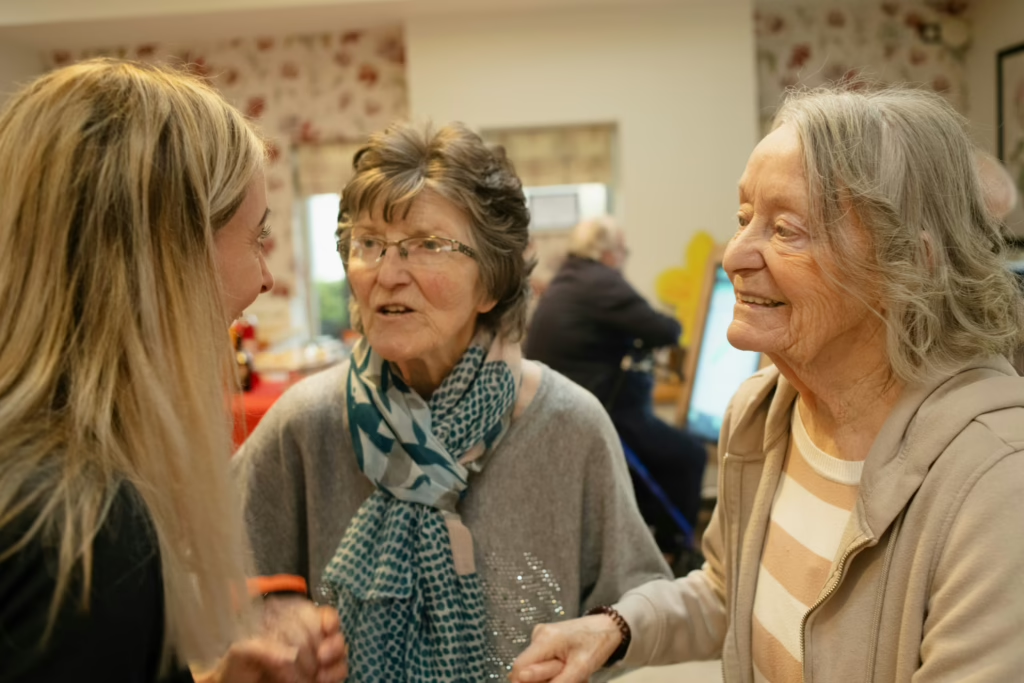
Breast cancer can affect nearly every part of life: work, family, finances, food, sleep, relationships, transportation, and emotional wellbeing. That is why support should not be limited to medical care alone.
Whole-person support means looking at the practical and emotional realities women are facing. It means asking: Does she have food? Can she stay in her home? Can she get to appointments? Does she understand what support is available? Does she have someone to call when she feels overwhelmed?
The CDC provides breast cancer information and resources for prevention, screening, treatment, and survivorship. Trusted medical resources are important, but local community support is also essential because every woman lives her diagnosis inside a real life with real responsibilities.
At P4P, support may include financial assistance through Power to Thrive, education and wellness support through Nutrition for Healing, and connection to additional resources.
How Pawsitively 4 Pink Helps
Pawsitively 4 Pink was created to stand beside women affected by breast cancer with compassion, dignity, and practical care. Our work is rooted in the belief that women should not have to face breast cancer alone, especially when treatment creates financial and emotional stress.
Depending on eligibility and individual circumstances, P4P support may include:
- Financial assistance for essential needs such as housing, utilities, groceries, transportation, or living expenses.
- Nutrition for Healing, a six-week nutrition education and lifestyle coaching program for women with breast cancer.
- Apply for Assistance access for eligible women seeking support.
- Volunteer opportunities for community members who want to help women feel supported.
- Donate opportunities for supporters who want to help sustain direct assistance and programs.
The mission is not simply to help women survive treatment. It is to help women continue living with stability, confidence, and hope.
A Message from Michelle
One of the greatest privileges of leading Pawsitively 4 Pink has been walking beside women during some of the hardest moments of their lives.
I have seen strength that most people never witness. I have seen women keep going while carrying fear, exhaustion, financial stress, family responsibilities, and uncertainty. I have also seen what happens when a community shows up with love and practical support.
If treatment has ended and you still do not feel like yourself, I want you to know this: you do not have to rush your healing. You do not have to pretend everything is fine. And you do not have to face this part of the journey alone.
There is still support. There is still hope. There is still a path forward, one step at a time.
With love,
Michelle Power
Founder & CEO
Pawsitively 4 Pink
References
- American Cancer Society – Living as a Breast Cancer Survivor
- National Cancer Institute – Cancer Survivorship
- Cancer.Net / ASCO – Survivorship
- Centers for Disease Control and Prevention – Breast Cancer
- Pawsitively 4 Pink – Power to Thrive Program
- Pawsitively 4 Pink – Nutrition for Healing
Frequently Asked Questions
Is it normal to feel exhausted after breast cancer treatment?
Yes. Many women experience fatigue during and after breast cancer treatment. If fatigue is affecting daily life, it is important to talk with your oncology team or healthcare provider so they can evaluate possible causes and recommend appropriate support.
Why do I still feel anxious after treatment?
Anxiety after treatment can happen for many reasons, including fear of recurrence, changes in routine, body changes, or the emotional impact of what you have been through. You deserve support for your emotional wellbeing, not only your physical recovery.
How long does recovery take after breast cancer treatment?
Recovery looks different for every woman. Some women feel better quickly, while others need more time. Your timeline may depend on your treatment, overall health, support system, work and family demands, and emotional needs.
Can nutrition support recovery?
Nutrition cannot replace medical treatment, but healthy, balanced eating can support overall wellbeing. P4P created Nutrition for Healing to provide practical nutrition education and lifestyle support for women with breast cancer. Always follow your oncology team’s guidance.
Where can women in Massachusetts find financial help during breast cancer?
Eligible women may be able to seek support through P4P’s Power to Thrive program. Women can also review the Apply for Assistance page to learn more. If you or someone you love is navigating life after breast cancer treatment, Pawsitively 4 Pink is here to help. Explore our programs and resources, learn about financial assistance, or consider supporting this work through a donation or volunteer role. Treatment may end, but healing continues. And no woman should have to walk that road alone.
Medical Disclaimer
This article is intended for educational and informational purposes only and should not be considered medical advice. Every person’s experience with breast cancer is unique. Always consult your physician, oncology team, or qualified healthcare provider regarding questions about your diagnosis, treatment, recovery, nutrition, or emotional wellbeing.