

Breast Cancer Survivor Story: Finding Hope After Treatment
Breast Cancer Survivor Story: Finding Hope After Treatment
Wendy B. on diagnosis, the bills that did not stop, and what six months of stability made possible.
When you know your rent is covered, your car insurance is paid, and you can go to the store and buy groceries and the things you need, you can finally breathe a little easier.
Wendy B.
Introduction
Every breast cancer story is personal. There is the day of diagnosis. The first appointment. The treatment plan. The fear that settles into ordinary moments. The way life keeps asking for groceries, work schedules, rent, and courage, even when everything has changed.
And then, for many women, there is the part no one talks about enough: life after treatment. People may celebrate the last chemotherapy appointment, the final radiation treatment, or the scan that brings good news. Those moments matter. They deserve to be honored. But healing after breast cancer is rarely as simple as going back to normal. For Wendy, hope did not arrive all at once. It came slowly, through practical help, honest conversations, and the steady realization that she did not have to rebuild her life alone. This is her story.

Before everything changed
Before breast cancer, Wendy’s life ran on the ordinary rhythm that most of us never stop to notice.
She kept her own household and covered her own bills. Rent came due at the start of the month and she paid it. Her car got her where she needed to be, and she kept it insured. She did her own grocery shopping and handled what needed handling. It was not a life with much slack in it, but it worked, and it was hers. She was not thinking about treatment rooms or medical bills. She was not planning her days around appointments. She was not imagining the way a single diagnosis could reach into every corner of a life.
Then came the moment that changed everything. I remember how quickly everything changed. You hear the words “you have breast cancer,” and suddenly your mind goes in a hundred different directions. There was fear, disbelief, and so many questions about what was going to happen next.
For many women, a breast cancer diagnosis is not only medical. It is emotional, financial, practical, and deeply personal. The National Cancer Institute’s guidance on life after cancer treatment notes that people often have to adjust to new feelings, different sources of support, physical changes, and new ways of looking at life after cancer. That was true for Wendy.
The part people could see
From the outside, people often see the treatment schedule. Appointments, rides, procedures, medications, follow-up visits. They see the visible parts of breast cancer. What they may not see is the mental list running underneath all of it:
- How will I keep working?
- How will I pay the bills?
- How will my family get through this?
- What happens if I am too tired to do what I used to do?
- Who can I ask for help?
For Wendy, treatment was not only about getting through the next medical step. It was about trying to keep life from falling apart while her body was fighting to heal.
One of the hardest things was realizing that even though I was dealing with breast cancer, all of my regular bills and responsibilities were still there. Rent still had to be paid. I still needed my car and had to keep it insured. I still needed groceries and everyday essentials.
You’re supposed to be concentrating on getting better, but instead you’re also worrying about how you’re going to keep a roof over your head and make ends meet.
This is why support matters. Breast cancer does not pause rent, utilities, groceries, transportation, or family needs. Pawsitively 4 Pink exists because no woman should have to choose between healing and basic survival.

The part people could not see
After treatment, people often expect relief. And relief may come. But so can fear. The American Cancer Society’s guidance on life after cancer explains that finishing treatment can bring hope and happiness, but also worry, fear of recurrence, body image concerns, changes in relationships, and strong emotions that may surface once treatment ends. Wendy has seen how differently that season is understood from the outside.
I think people expect you to go back to normal once treatment is over. But you don’t just pick up exactly where you left off. There can still be fear, exhaustion, financial stress, appointments, and the worry about what comes next. Cancer changes you, and finding your way forward takes time.
This is one of the reasons survivor stories matter. They tell the truth that statistics cannot hold. They remind other women that feeling afraid after treatment does not mean they are ungrateful. Feeling tired does not mean they are weak. Needing support does not mean they are failing. It means they are human.
Finding hope in practical support
Hope is usually described as a feeling. But for many women facing breast cancer, hope is also practical.
Hope can look like a gas card that makes it possible to get to treatment. Help with rent or utilities. Groceries in the kitchen. A phone call from someone who understands. One less impossible decision. Through the Power to Thrive Program, Pawsitively 4 Pink helps women with breast cancer stabilize the essential parts of life so they can put their energy into treatment, recovery, and their families. For Wendy, that meant six months of rent, her car insurance paid off, and Walmart gift cards for groceries and household essentials.
Those may sound like everyday things, but when you’re going through breast cancer and struggling financially, they are huge. For six months, I knew I had a roof over my head. I knew I could keep my car on the road.
I knew I could buy groceries and the things I needed. P4P gave me something that is hard to put a price on during cancer treatment — a little bit of stability and the chance to focus on getting through what was in front of me instead of constantly worrying about the next bill.
It did not erase everything she was facing. But it gave her room to put her energy where it belonged.
Hope after treatment
Finding hope after treatment does not always mean waking up one day and feeling fearless. Sometimes hope is quieter than that.
It is going to the follow-up appointment even when anxiety shows up. Asking for help instead of pretending everything is fine. Resting without apology. Learning how to trust your body again. Letting people love you in practical ways.
Realizing that life may be different, but it can still be meaningful. For Wendy, hope after treatment has been less a single moment than a practice. It is getting up and dealing with the day that is actually in front of her rather than bracing for the one that might be coming. It is noticing where she is now. It is accepting that some days will be harder than others and going forward anyway.
When she talks about hope, she keeps it close to the ground. Hope means continuing to move forward. It doesn’t mean that I’m never afraid or that everything suddenly becomes easy. It means appreciating where I am today, taking things one day at a time, and believing there are still good things ahead.
The American Cancer Society’s information on cancer recurrence acknowledges that fear of recurrence can be part of survivorship. That fear is real. But it does not have to be carried alone. Support gives women room to live with uncertainty without being swallowed by it.
What she would tell another woman
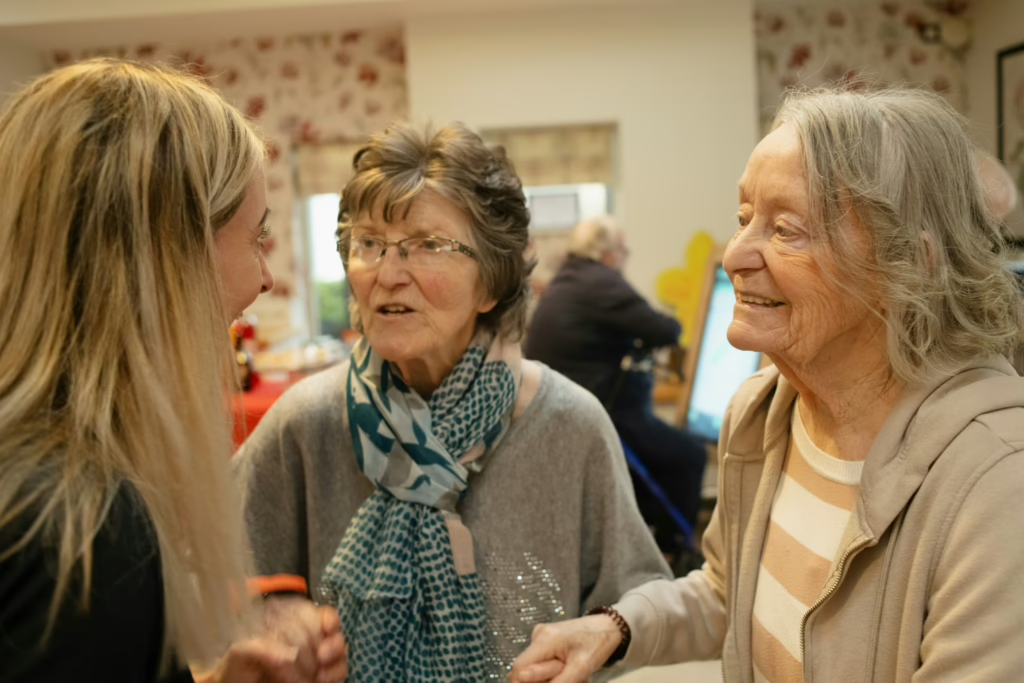
We asked Wendy what she would say to someone who has just been diagnosed.
Don’t be afraid to ask for help, and when someone offers it, let them help you. You don’t have to carry everything by yourself. There are going to be good days and really difficult days. Just keep putting one foot in front of the other and know there are people who truly want to walk beside you.
What her story teaches us
Wendy’s story is a reminder that breast cancer recovery is not one single moment. It is a series of them.
- The moment she heard the diagnosis.
- The moment she realized the bills were not going to wait.
- The moment someone showed up.
- The moment practical support made the next step possible.
- The moment she could imagine life after treatment.
Every story matters because every woman is more than her diagnosis. She is a mother, daughter, partner, friend, neighbor, coworker, caregiver, dreamer, and person with a future worth protecting. When the P4P community gives, volunteers, sponsors, shares, and shows up, they are not only supporting a program. They are standing beside women like Wendy.
A message from Michelle
One of the greatest honors of this work is getting to know the women behind the diagnosis.Every woman we support has a story. Some are loud and full of visible courage. Others are quiet, private, and carried day by day. But every story matters.
When I think about Wendy, I think about her honesty. She did not soften how hard it was. She told us plainly that the rent did not stop, the car insurance did not stop, and the groceries still had to be bought, and that she was carrying all of it while she was supposed to be healing. That kind of truthfulness takes more strength than people realize, because our instinct is usually to say we are fine.

And I think about what she says to other women now. Let people help you. She is right, and I wish more women heard it earlier. Support should not stop when treatment ends. Hope should not depend on how much money a woman has in the bank.
Healing should not be overshadowed by fear of losing stability. That is why Pawsitively 4 Pink exists. To stand beside women. To ease the burden. To protect dignity. To help restore hope, one life at a time.
With love,
Michelle Power, LMHC
Founder & CEO, Pawsitively 4 Pink
Help another woman feel less alone
If Wendy’s story moved you, we invite you to help another woman facing breast cancer feel supported, seen, and less alone. Learn more about the Power to Thrive Program, explore our resources, or consider making a gift through our donation page.
Because every story matters. And every woman deserves support beyond the diagnosis.
Frequently asked questions
Why do breast cancer survivor stories matter?
Survivor stories help readers understand the human experience behind breast cancer. They can reduce isolation, offer hope, and show how emotional, practical, and community support can make recovery feel less lonely.
Is life after breast cancer treatment always easy?
No. Many women feel relief after treatment, but also experience fear, fatigue, emotional changes, relationship shifts, body image concerns, or uncertainty about the future.
What kind of support can help after treatment?
Support may include emotional encouragement, transportation, help with bills, food support, nutrition education, counseling, support groups, and practical assistance with daily living needs.
How does Pawsitively 4 Pink help women with breast cancer?
Pawsitively 4 Pink supports eligible women facing breast cancer in Massachusetts through practical assistance, resources, community support, and programs such as Power to Thrive and Nutrition for Healing.
Can someone apply for P4P support after treatment?
Eligibility depends on the program and individual circumstances. Women and families can visit the Apply for Assistance page to learn more about current requirements and application steps.
How can I help women like Wendy?
You can donate, volunteer, become a sponsor, share P4P resources, or help connect women facing breast cancer with support.
Medical disclaimer
This article is intended for educational, storytelling, and informational purposes only and should not be considered medical, mental health, legal, or financial advice. Every person’s experience with breast cancer is unique. Always consult a physician, oncology team, qualified healthcare provider, or licensed mental health professional regarding questions about diagnosis, treatment, recovery, survivorship, or emotional wellbeing.
References
- National Cancer Institute: Life After Cancer Treatment
- American Cancer Society: Life After Cancer
- American Cancer Society: Cancer Recurrence
- Pawsitively 4 Pink: Power to Thrive Program
- Pawsitively 4 Pink: Apply for Assistance
- Pawsitively 4 Pink: Our Impact

Five Massachusetts Nonprofits Helping Women Every Day: Local Heroes Making a Difference
We are so lucky to be from Massachusetts because of the countless organizations that uplift women. We have a list of unique organizations, everything from providing meals and menstrual care to offering emotional support and financial assistance. These nonprofits are proof that community care changes lives, and we highly recommend checking them out.
1. Women’s Lunch Place
Women’s Lunch Place, located in Boston, is a daytime shelter and advocacy center offering a lifeline to women experiencing homelessness, hunger, and poverty.
Open Monday through Saturday, the center provides nutritious meals (breakfast and lunch), alongside essential items like seasonal gear, toiletries, undergarments, and feminine hygiene products. The Women’s Lunch Place goes beyond meeting physical needs. Advocates work one-on-one with guests to help them overcome barriers to stable housing and employment. Their wellness programs support mental health and substance use recovery, and free medical care is available on-site.
We believe Women’s Lunch Place is more than a shelter; it’s a sanctuary. A place where women are treated with dignity, seen for their strength, and supported on their path to stability and hope.
2. Dignity Matters
Dignity Matters is a Massachusetts-based nonprofit that provides free menstrual products, bras, and underwear to women, girls, and transgender men who are homeless or economically disadvantaged.
Many people don’t realize that menstrual products aren’t covered by SNAP benefits, leaving people without the proper care during their menstrual cycle. In 2024 alone, the organization distributed over 3.8 million items to individuals across the state. Each month, they support more than 17,000 people through partnerships with over 170 nonprofits, from domestic violence shelters to public schools and LGBTQ+ youth programs.
What stood out to us about Dignity Matters is their long-term partnerships and planning distribution a year in advance; they always ensure that essential products reach those who need them most reliably and respectfully.
3. Jane Does Well
Jane Does Well brings together a groundbreaking lineup of acclaimed authors, therapists, and thought leaders sharing powerful stories of resilience, healing, and transformation.
They’ll host a series of extraordinary evenings with nationally recognized voices whose bestselling books and pioneering work offer wisdom, tools, and inspiration to help women rise stronger.
These events are open to the public and welcome women across the United States and beyond. While there’s no fee to attend, donations of any amount are encouraged at registration. Every contribution helps Jane Does Well continue its mission to empower women through education, storytelling, and community connection.
4. Cambridge Women’s Center
The Cambridge Women’s Center serves as both a physical and digital community space open to anyone for all women. This includes trans women and gender nonconforming individuals who are comfortable in a women-centered environment.
Their mission is to provide a safe, inclusive space for learning, emotional support, empathy, and empowerment through self-determination. All their services are free and confidential, ensuring that anyone seeking help or connection can find it without barriers.
They offer peer support groups and educational programs to community resources and wellness events, and the Cambridge Women’s Center continues to stand as a place of inclusion and empowerment for women of all backgrounds.
5. Pawsitively 4 Pink
At Pawsitively 4 Pink, we believe no woman should have to fight breast cancer alone or choose between paying bills and getting treatment. We are based in Worcester, and our nonprofit provides direct financial assistance to low-income women across Massachusetts who are navigating the physical, emotional, and financial challenges of breast cancer.
Unlike large organizations that distribute funds broadly, our focus is local and personal. We cover essential living costs such as rent, utilities, groceries, transportation, and childcare, ensuring that women can focus on healing instead of worrying about how to keep the lights on.
We also offer hands-on community support through volunteer programs, fundraising events, and our newly launched Pawsitively4Pink app, which connects patients, survivors, and allies with valuable resources, events, and donation opportunities.
What makes Pawsitively 4 Pink unique is our commitment to compassion with action. Every dollar raised stays right here in Massachusetts, directly helping women in our communities. Every volunteer hour, event ticket, and donation makes an immediate difference.
Together, we’re not just raising awareness, we’re changing lives. Donate today or Apply for Assistance.

The Hidden Financial Burdens of Breast Cancer: Real Stories
When people think about breast cancer, they often focus on the physical and emotional toll, the appointments, the treatments, and the uncertainty that comes with every diagnosis. But behind the scenes, another burden quietly weighs on women and their families: the crushing financial impact of cancer.
At Pawsitively 4 Pink, we see this reality every day. From lost income to overdue bills, from childcare struggles to transportation challenges, the financial fallout of a breast cancer diagnosis can feel just as overwhelming as the disease itself. That’s why our mission is clear: to provide direct, personal, and flexible support to local women so they never have to choose between paying bills and paying for treatment. Our impact has changed lives.
Traditional or holistic, medical or practical, our role is not to decide, but to empower. Because no two journeys look the same, and no one-size-fits-all solution can meet the unique needs of women battling breast cancer. Hear about what these journeys look like for two of the donors who were impacted by the hidden financial burdens of breast cancer.
Holly’s Story:
At just 42 years old, Holly P. was diagnosed with aggressive metastatic breast cancer. A single mother of three, she faced an impossible choice: prioritize treatment or maintain her steady income. She left her job to focus on healing, and soon, bills piled up. Holly fell three months behind on her mortgage and feared losing her home. Her car, the only way she could get to lifesaving appointments, was also on the verge of being repossessed.
“Cancer doesn’t just attack your body; it attacks every part of your life, your stability, your family, your sense of hope,” Holly shared.
That’s when Pawsitively 4 Pink stepped in. With financial support, Holly was able to catch up on her mortgage and keep her family in their home. We also helped cover her car payments, removing the added fear of missing treatments.
“I can’t put into words what it meant to feel supported, not just financially, but emotionally,” Holly said. “Pawsitively 4 Pink reminded me that I wasn’t fighting this battle alone. Their help allowed me to focus on what mattered most: my health and my children.”
Holly’s story is one of many, but it captures exactly why our mission is so important.
Sue’s Story:
Sue knows the battle all too well. Diagnosed not once, but three times, she endured round after round of chemotherapy. The treatments forced her to stop working, stripping away both her financial security and her sense of normalcy.
“I felt like I had to reprioritize my life,” Sue said.
With Pawsitively 4 Pink by her side, Sue received help covering the cost of groceries and essential bills, relief that allowed her to focus on recovery rather than stress over finances. But what stayed with her even more was the emotional support she received.
She recalls sitting down for coffee with Michelle, our founder, and leaving with a renewed sense of hope and strength.
“Just knowing I wasn’t on my own made all the difference,” Sue shared.
👉 You can hear more about Sue’s story in her own words by watching this video
Why Your Support Matters
Behind every statistic is a real woman like Holly or Sue, someone who just wants to heal, provide for her family, and reclaim her life. The hidden costs of breast cancer, lost wages, mounting bills, and transportation struggles, can strip away stability and hope. But with your support, Pawsitively 4 Pink helps women push through these challenges with dignity and compassion.
By donating, sponsoring, or attending one of our Worcester events, you’re not just contributing to a cause; you’re changing lives right here in our community.
Because together, we can make sure no woman fights breast cancer alone. If you're in a position where you are in need of assistance due to breast cancer, apply today: Here
Behind the Scenes: What It’s Like to Volunteer with P4P
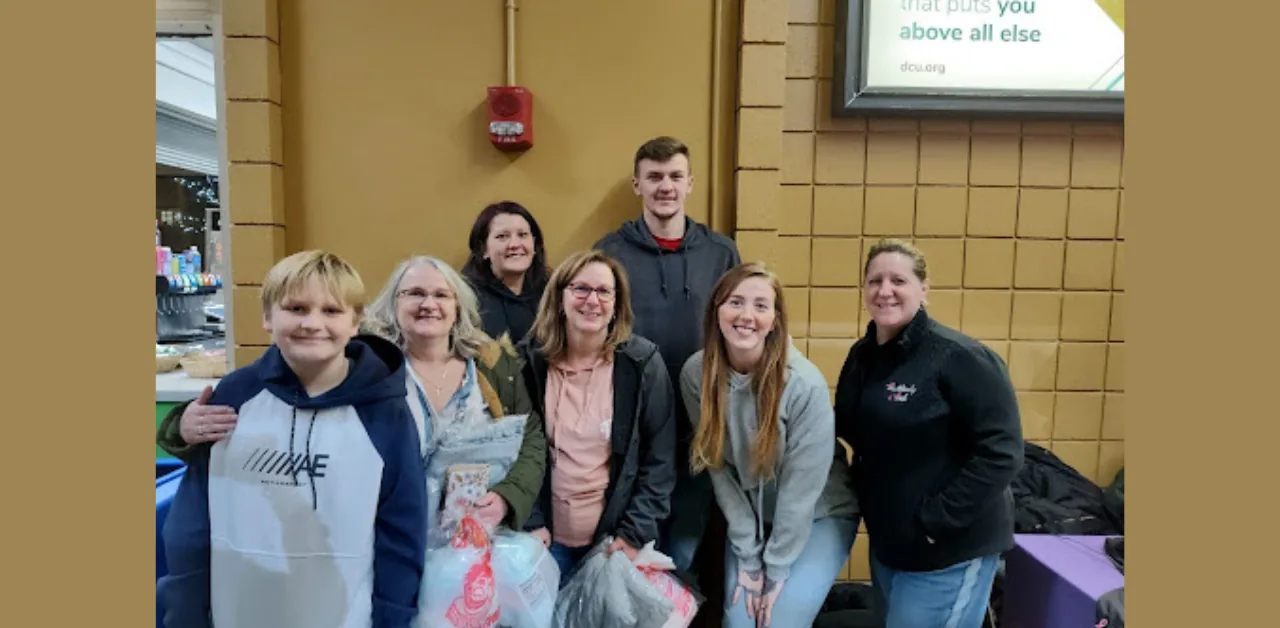
When people think of volunteering, they often imagine sorting supplies, making phone calls, or handing out flyers. And while those tasks have their place at Pawsitively 4 Pink, volunteering here is so much more than a checklist; it’s about connection, compassion, and community.
Whether you're helping plan a fundraising event, caring for a cancer patient’s beloved pet, or spreading awareness in your local neighborhood, you’re stepping into a mission that touches lives in powerful ways.
At P4P, our volunteers are the heartbeat of our mission. Many of the women we serve are navigating the emotional and physical toll of breast cancer alone. Some are single moms, others are far from family, and many don’t have the resources or support to care for their pets during treatment. Every two minutes, a woman in the U.S. is diagnosed with breast cancer. These members of our community need our support. Making a financial donation is not the only way you can make a difference; you can donate your time!
That’s where our volunteers come in, not just to lend a hand, but to stand beside them.
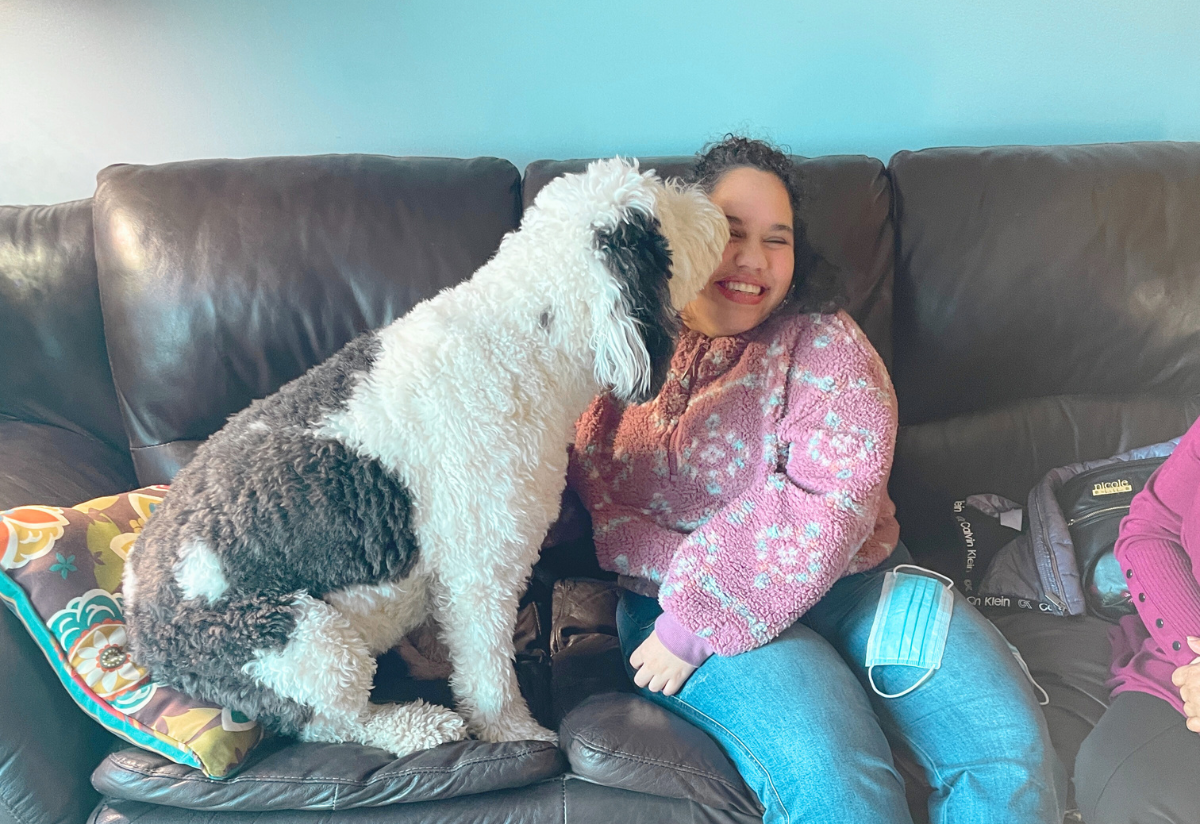
From pet therapy during chemo appointments to dropping off care packages, our volunteers offer the kind of support that reminds women they’re not forgotten. No two days are the same, but every day holds meaning. Here's an idea of what P4P volunteers might be doing:
Pet Companionship & Care: Taking a furry friend out while their owner rests, giving pets the playtime they crave while their owner heals.
Community Events: Helping host fundraisers and non-profit events, setting up booths at events, or running silent auctions at local galas.
Logistics: Assisting with donation tracking, organizing supplies, sending thank-you notes, or supporting any behind-the-scenes operations.
Emotional Support: Sometimes, it’s just sitting with someone who needs to talk. Volunteers help uplift women through encouragement and emotional support, including sharing positive messages of hope and strength.
Every role is different, but every role is essential. Volunteering is also linked to improved mental health and a stronger sense of purpose. If you'd like to talk to us directly, give us a call!
Explore volunteering opportunities at Pawsitively 4 Pink
However, volunteering with P4P isn’t just about what you give; it’s also about what you gain. Many of our volunteers tell us they walk away feeling more connected, more fulfilled, and even more hopeful. You get to be part of a community that lifts each other, women helping women, neighbors helping neighbors, and people of all ages and backgrounds united by the love of animals and the belief that no one should face cancer alone. Whether you have two hours a month or ten hours a week, there’s a place for you at P4P.
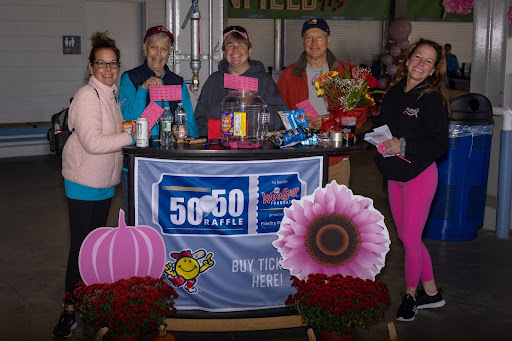
If you don’t have enough time to volunteer, we always appreciate donations. Make yours here.
Behind the scenes, there’s a family of volunteers making the mission come to life. And there’s always room for one more. Are you ready to be part of something pawsitively powerful?
You can find out more about our volunteering opportunities here.

Navigating Relationships During Cancer: What to Say, What to Ask, What to Do
Navigating Relationships During Cancer: What to Say, What to Ask, What to Do
 A breast cancer diagnosis changes everything—not just in your body, but in your relationships. Some bonds deepen. Others feel strained. And many women wonder: “What do I say? What do I ask for? Why does everything feel different?”
At Pawsitively 4 Pink, we know that while treatment can be isolating, it doesn’t have to be. Whether you're the one going through cancer or supporting someone who is, here's how to navigate these deeply personal relationships with honesty, grace, and love.
If You’re the One Going Through Cancer
Here are some things you can say to your loved ones to help them help you:
“I don’t have all the words, but I need you.”
“Some days I’ll want to talk, and some days I won’t. That’s not about you.”
"Please just be here with me. You don’t need to fix anything.”
You are not responsible for other people’s discomfort or confusion. Speak from your heart. Honesty invites deeper connection.
Having trouble asking for help? Here’s a few things you can say:
“Can you come to my appointment with me?”
“Would you be able to help with a meal this week?”
“Can we just sit together and not talk about cancer for a while?”
The people who love you want to help, but often don’t know how. Don’t be afraid to ask directly.
Remember to give yourself grace. Cancer does not define you.
Let your needs change day by day—grief, hope, and fear often co-exist.
Set boundaries when conversations or people feel draining.
Accept support without guilt. Allow others the gift of showing up for you.
If You’re Supporting Someone With Cancer
It’s normal to not understand how to talk with your loved ones about their diagnosis. Here are some ways to help:
What to say:
“I’m here. You don’t have to go through this alone.”
“I won’t pretend to understand, but I care deeply.”
“Can I check in with you every few days, even if it’s just a text?”
Don’t try to find the perfect words. Presence speaks louder than polished sentences.
What to ask:
“What would feel supportive to you right now?”
“Would you prefer space or company this week?”
“Can I bring food, walk the dog, or run an errand?”
Offer help with specifics. Open-ended questions like “Let me know if you need anything” often get lost in the chaos.
Here are a few ways you can support your loved one going through their cancer journey:
Keep showing up, even if responses are short or delayed.
Educate yourself so they don’t have to explain everything.
Celebrate small victories, and sit with them in the hard days too.
Navigating relationships during cancer is messy. There will be missteps, awkward silences, and moments of emotional overwhelm. But it’s in showing up—again and again, imperfectly but fully—that healing begins.
Wherever you are on this journey, facing cancer yourself or walking beside someone who is, know that you’re not alone. Your presence, your care, and even just showing up mean more than you know. Let love lead. Let honesty guide your words. And when you’re not sure what to say, just being there is enough.
If relationships feel especially heavy or complicated, it’s okay to reach out for extra support. Talking to a counselor or therapist can help—none of us are meant to go through this alone.
Feel free to share this if it might help someone you know. And if you or a woman in your life needs financial help during treatment, here is our application.

Your Post-Treatment Plan: What Recovery Actually Looks Like 6 Months Later
Post-Treatment Plan: What Recovery Actually Looks Like 6 Months Later

When breast cancer treatment ends, many assume the hardest part is over. But the truth is, healing doesn’t stop at your last chemo or radiation session; it simply shifts. Six months after treatment, you're likely in the thick of something few people talk about: the real, ongoing recovery.
Here’s what life might look like half a year later, and how to care for your mind, body, and soul as you step into this next chapter.
You’re Still Tired, And That’s Normal
After months of fighting through surgery, chemotherapy, radiation, and appointments, many women expect energy to bounce back quickly once treatment ends. But six months post-treatment, it’s common to feel just as tired, sometimes even more so.
This fatigue isn’t just “being a little tired.” It’s a deep, bone-weary exhaustion that no amount of sleep seems to fix. And it’s not in your head, it’s a real, medically recognized side effect called cancer-related fatigue.
Unlike the exhaustion from a long day or a poor night’s sleep, this kind of fatigue is:
Persistent, lasting for weeks or months
Unpredictable, sometimes worsening without warning
Disruptive, interfering with work, relationships, and daily activities
But don’t worry! You're not lazy or falling short. Your body is rebuilding. That takes more energy than anyone can see from the outside when you’ve beat breast cancer.
You Might Be Grieving Even While Grateful
Post-treatment emotions can be surprising. You should feel happy it’s over, right? But many women experience waves of sadness, fear, and even guilt. That’s because cancer treatment may have ended, but the emotional impact is still settling in.
You may grieve:
The loss of your old body or energy (pre breast cancer)
Changes in relationships or roles
The constant vigilance of medical appointments
The version of yourself who existed before cancer
What helps:
- Journaling to process emotions safely
- Support groups where others understand the mix of joy and pain
- Spiritual practices, therapy, or coaching to reconnect with your identity and purpose
Here’s the truth: Grief and gratitude can live side by side. You’re allowed to celebrate your survival and mourn what you’ve lost.
Follow-Up Care Becomes Your New Routine
The appointments don’t stop post-treatment. Now you’re entering the “survivorship phase,” which includes routine checkups, scans, and blood work to monitor for recurrence or side effects.
This can bring relief, but also anxiety. Some women feel a loss of safety once regular treatments end and dread each new scan.
But remember, these visits aren’t setbacks, they’re proof of your continued care. You’re not starting over, you’re being safeguarded.
So, we've walked through what recovery really looks like six months down the road. It's clear by now that it's not some magic finish line you cross and then boom, you're done. Nope. It's an ongoing journey, full of good days where you feel strong and bad days where things just feel tough. That's totally normal, and it takes continuous effort and a whole lot of self-compassion to keep moving forward.
Here's the real talk: while you've made incredible strides, remember that so many others are just starting their journey, or they're still in the thick of it, needing that ongoing support. The resources that help people navigate these long, winding paths – like therapy, support groups, or just access to crucial information – don't just appear out of nowhere. They need our help to keep going, to be there for everyone who needs them.
Don't wait. Your support today can directly impact someone's ability to maintain their recovery, find their footing, and build a lasting, healthy life. Let's make sure no one has to walk this road alone. Every little bit truly helps keep these vital lifelines open.
Here at Pawsitively 4 Paws, we see you. We celebrate your milestones, sit with you through the hard days, and offer both a community and a cause that understands the journey you’re walking.

Finding Calm During Your Cancer Journey with Herbal Teas
Finding Peace in Your Cup: The Best Calming Herbal Teas for Stress Relief
At Pawsitively 4 Pink, we understand that a breast cancer diagnosis brings countless challenges. Through our work supporting breast cancer warriors, we've learned that finding moments of peace is crucial for emotional well-being. That's why we're sharing one of our community's most cherished comfort practices - the healing power of herbal tea.
From calming chamomile to nurturing peppermint, these natural remedies offer breast cancer warriors a gentle way to create pockets of tranquility between appointments, during recovery, or on challenging days. Many of our P4P community members have found that creating a daily ritual becomes a precious moment of self-care—a time to breathe, reflect, and gather strength for the road ahead.
One of our favorite ways to find calm in the chaos is with a warm, soothing cup of herbal tea. It’s like a hug in a mug, bringing comfort when life feels overwhelming. On those days when everything moves at lightning speed, taking a mindful pause can make all the difference. That’s where these natural warriors shine. Whether it’s the bedtime bliss of chamomile, the floral serenity of lavender, or the deep relaxation of passionflower, each herb offers its own special magic in every sip.

Why Herbal Tea?
Unlike caffeinated beverages that might increase anxiety, herbal teas offer gentle, natural support for relaxation. These caffeine-free alternatives work with your body's natural rhythms to promote calmness without causing drowsiness.
Top Calming Herbal Teas
So many traditional teas and herbal blends help relieve stress, anxiety, and even things like nausea, and Insomnia.
Here are our top favorites:
Chamomile The classic soother, chamomile contains compounds that bind to the same brain receptors as anti-anxiety medications. Perfect for: • Bedtime relaxation • Easing nervous tension • Promoting better sleep quality
Lavender Known for its gentle sedative properties, lavender tea can: • Reduce stress levels • Calm racing thoughts • Improve sleep quality • Ease digestive tension
Lemon Balm This mint family member helps: • Reduce anxiety and stress • Improve mood • Enhance mental clarity • Support digestive health
Passionflower A powerful relaxant that can: • Calm overthinking • Ease nervous tension • Support restful sleep • Reduce anxiety symptoms
Creating Your Perfect Relaxation Ritual
Just as P4P provides a support system for your cancer journey, creating a tea ritual can be your daily moment of self-care.
Whether you're:
- Getting ready for a treatment session
- Resting at home and regaining strength
- Connecting with fellow P4P members
- Taking a quiet moment to breathe between appointments
The best part? This isn't about adding another "should" to your list. It's about giving yourself permission to pause, breathe, and just be. Each cup is an invitation to slow down and show yourself some love - because you deserve that moment of peace!

Finding Calm in Your Cancer Journey
When facing breast cancer, managing anxiety and stress isn't just about comfort—it's an essential part of the healing journey. Studies show that stress reduction can positively impact treatment outcomes and overall well-being.
From calming chamomile to nurturing peppermint, these natural remedies offer a gentle way to find moments of peace during treatment. Plus, many herbal teas provide antioxidants and other beneficial compounds that can support your body's healing process. Creating a relaxing tea ritual can become a daily act of self-care, giving you a moment to breathe, reflect, and find strength in stillness.
Conclusion
Remember, taking time for yourself isn't a luxury—it's an essential part of your healing journey. Whether you're sipping a warm cup of chamomile before bed, enjoying refreshing peppermint tea during treatment days, or sharing a calming cup of lavender tea with a friend, you're doing more than just drinking tea—you're practicing self-care and nurturing your body and spirit. Your journey with breast cancer may be challenging, but finding ways to support yourself can make a meaningful difference. As always, consult with your healthcare team about incorporating herbal teas into your routine, and remember that you're not just surviving—you're finding new ways to thrive. Remember that P4P is here to help with both emotional and financial support during your journey. If you or someone you know is battling breast cancer and needs assistance, reach out to Pawsitively 4 Pink. Visit pawsitively4pink.org because no one should face breast cancer alone.

Make Your Gift Go Further: A Guide to Employer Matching Programs
What is a Matching Gift?
 Did you know you could make your donation to support breast cancer patients go twice as far—maybe even three times as far—without spending an extra penny? Sounds too good to be true, right? But it’s absolutely real, thanks to employer-matching gift programs.
Here’s how it works: Many companies want to encourage their employees to give back, so they offer to match your donations to eligible nonprofits, like ours. Some match dollar-for-dollar, while others go above and beyond with two-to-one or even three-to-one matches. That means your $50 gift could instantly turn into $100, $150, or more!
Not sure if your workplace offers a matching gift program? No problem! Here’s how to find out:
1. Ask HR
A quick chat or email to your human resources department is a great starting point. Many companies provide all the details on matching gifts as part of their employee benefits. If HR isn’t available, try searching online to check if your employer matches gifts.
 2. Review the Rules
 2. Review the Rules
Each company has its guidelines—like minimum donation amounts or deadlines for submitting matching requests. It’s worth a quick read to make sure your gift qualifies.
3. Submit Your Request
After donating, follow your employer’s process to submit a matching gift request. It’s usually a simple online form or an email with your receipt attached. Once approved, your employer will send the matching funds directly to the nonprofit – and just like that, your impact is doubled!
Why Matching Gifts Matter
 Every donation to our organization makes an incredible impact. For example, your $100 gift could provide a week’s worth of healthy meals for someone undergoing breast cancer treatment or cover a counseling session for a survivor or caregiver. Now imagine doubling that support. Pretty amazing, right?
Matching gifts don’t just boost the dollars—they also send a powerful message of love and solidarity to the individuals and families we serve. It’s like a ripple effect of kindness, and you can help make it happen.
Make the Most of Your Generosity
Employer matching programs are an easy way to maximize the impact of your support. A few minutes of effort can double or even triple the difference you’re making in the lives of those facing breast cancer.
Want to get started? Check out our website for tools and resources to help you make your gift go further. Together, we can create brighter, stronger futures for those in need—one matched gift at a time!

Make Your Gift Go Further: A Guide to Employer Matching Programs
Did you know you could make your donation to support breast cancer patients go twice as far—maybe even three times as far—without spending an extra penny? Sounds too good to be true, right? But it’s absolutely real, thanks to employer-matching gift programs.
What is a Matching Gift?
 Here’s how it works: Many companies want to encourage their employees to give back, so they offer to match your donations to eligible nonprofits, like ours. Some match dollar-for-dollar, while others go above and beyond with two-to-one or even three-to-one matches. That means your $50 gift could instantly turn into $100, $150, or more!
Not sure if your workplace offers a matching gift program? No problem! Here’s how to find out:
1. Ask HR
A quick chat or email to your human resources department is a great starting point. Many companies provide all the details on matching gifts as part of their employee benefits. If HR isn’t available, try searching online to check if your employer matches gifts.
2. Review the Rules
Each company has its guidelines—like minimum donation amounts or deadlines for submitting matching requests. It’s worth a quick read to make sure your gift qualifies.
3. Submit Your Request
After donating, follow your employer’s process to submit a matching gift request. It’s usually a simple online form or an email with your receipt attached. Once approved, your employer will send the matching funds directly to the nonprofit – and just like that, your impact is doubled!
Why Matching Gifts Matter
Every donation to our organization makes an incredible impact. For example, your $100 gift could provide a week’s worth of healthy meals for someone undergoing breast cancer treatment or cover a counseling session for a survivor or caregiver. Now imagine doubling that support. Pretty amazing, right?
Matching gifts don’t just boost the dollars—they also send a powerful message of love and solidarity to the individuals and families we serve. It’s like a ripple effect of kindness, and you can help make it happen.
Make the Most of Your Generosity
 Employer matching programs are an easy way to maximize the impact of your support. A few minutes of effort can double or even triple the difference you’re making in the lives of those facing breast cancer.
Want to get started? Check out our website for tools and resources to help you make your gift go further. Together, we can create brighter, stronger futures for those in need—one matched gift at a time!

4 DIY Fundraiser Ideas To Raise Awareness For Breast Cancer Month
October is Breast Cancer Awareness Month, and what better time than this to make a difference and show your support for the cause? In this article, we'll explore five unique and DIY fundraiser ideas that will not only engage your community but also leave a lasting impact on breast cancer research and support.
From organizing a charity bake sale with delicious pink treats to hosting a virtual run or walk event, there are plenty of fun and engaging activities you can undertake to raise funds for breast cancer research and breast cancer nonprofits, as well as directly support survivors. Let's come together and make a difference this Breast Cancer Month: join us as we explore these exciting ideas and make a positive impact on the lives of those affected by breast cancer.
 The Importance Of Supporting Breast Cancer Awareness
Breast cancer affects millions of individuals and their loved ones worldwide. Each year, October is designated as Breast Cancer Awareness Month, a time to shed light on this crucial issue and encourage people to take action. By supporting breast cancer awareness, all year round but especially during Breast Cancer Month, we can not only honor those who have been impacted by the disease but also contribute to the ongoing efforts to find a cure and provide support for those currently battling it.
Raising awareness about breast cancer is crucial to educate the public about the importance of early detection, the available treatment options, and the resources available for those affected. When more people are informed about the realities of breast cancer, they are more likely to participate in screenings, advocate for better healthcare policies, and support research and support services. This, in turn, can lead to earlier diagnoses, improved outcomes, and a stronger sense of community for those affected by the disease.
Moreover, supporting breast cancer awareness can have a profound impact on the lives of those who are currently fighting the disease. By participating in fundraising efforts, volunteering, or simply spreading the word, you can help provide vital resources and support to those in need.
Tips For Organizing A Successful Diy Fundraiser
Whether you're planning a small-scale event or a bigger initiative for Breast Cancer Month, there are several key tips to ensure your fundraiser is a success.
First and foremost, it's essential to clearly define your fundraising goals. What are you hoping to achieve through your efforts? Are you aiming to raise a specific amount of money, increase awareness, or both? By setting specific, measurable goals, you can better focus your efforts and track your progress along the way.

Next, it's important to choose a fundraising idea that aligns with your goals and resonates with your community. Consider the interests, skills, and resources of your target audience, and select an activity that will engage them and inspire them to get involved: the key is to make it fun, accessible, and meaningful.
As you plan your fundraiser, be sure to promote it effectively. Utilize social media, email, and other communication channels to spread the word and build excitement. Reach out to local media outlets, community organizations, and businesses to garner additional support and publicity. The more people you can reach, the more successful your fundraiser is likely to be.
Finally, don't forget to thank your supporters and share the impact of their contributions: expressing your gratitude and highlighting the difference their support has made can go a long way in building a sense of community and encouraging future involvement.
Idea 1: Pink-Themed Bake Sale

One of the most classic and beloved fundraising ideas for Breast Cancer Awareness Month is the pink-themed bake sale. This activity not only taps into people's love for delicious treats but also provides a fun and engaging way to raise funds and awareness for the cause.
To organize a successful pink-themed bake sale, you can rally a team of enthusiastic volunteers who are willing to lend a hand or choose to go solo if you have a smaller-scale idea in mind. Bake your favorite pink-themed desserts, such as pink velvet cupcakes, strawberry shortcake, or even pink-frosted brownies.
When it comes to the logistics of the bake sale, consider setting up your event in a high-traffic area, such as a local park or a community center. If you work with kids, set it up at a local school! Decorate your booth with pink ribbons, balloons...more is more! Remember to wear pink clothing or accessories.
Remember to promote your bake sale through social media, local media outlets, and community networks. Encourage people to pre-order their favorite treats or to come out and support your event in person. The more people you can reach, the more successful your bake sale is likely to be.
Get inspired on pink baked goods and desserts here.
Idea 2: Virtual Charity Run Or Walk

In the age of social distancing and virtual events, a virtual charity run or walk can be an engaging and impactful way to support breast cancer awareness. By leveraging the power of digital platforms, you can create a fun and inclusive event that allows participants to get involved from the comfort of their own homes or local communities.
The beauty of a virtual charity run or walk is that it can be tailored to fit the needs and preferences of your target audience. You can choose a distance that is challenging yet achievable, such as a 5K or a 10K, and encourage participants to complete the run or walk at their own pace and on their own time.
To make your virtual event even more engaging, consider incorporating additional elements, such as a pre-recorded warm-up video, a playlist of motivational music, or even a live-streamed kickoff or closing ceremony. You can also encourage participants to share their progress and photos on social media using a designated hashtag!
In terms of fundraising, you can encourage participants to set individual fundraising goals or create team-based challenges to inspire friendly competition and increase overall donations. Consider offering incentives or prizes for the top fundraisers or for participants who complete the event in a certain time frame.
Idea 3: Online Auction Or Raffle

Another creative DIY fundraiser idea for Breast Cancer Month is an online auction or raffle. This approach allows you to raise funds without having to set up an in-person event: anyone can do it!
Start by curating a collection of items or experiences that align with your fundraising goals. This could include anything from signed memorabilia and unique artwork to unique experiences and more. Consider reaching out to local businesses, artists, or community members to see if they would be willing to donate items or services to support your cause.
Once you've assembled your collection, create an online platform to host your auction or raffle. There are various online tools and platforms available, such as eBay, GiveSmart, or even dedicated fundraising websites that can help you manage the logistics of your event. Be sure to clearly communicate the rules, deadlines, and any relevant details to potential participants.
As the auction or raffle progresses, be sure to keep participants engaged and informed. Provide regular updates on the status of the event, highlight any new or exciting items or experiences, and create a sense of excitement and anticipation around the final results. This can help to build momentum and increase the overall impact of your fundraising efforts.
Idea 4: Social Media Challenge

When it comes to supporting breast cancer awareness, a well-executed social media challenge can be an engaging and impactful way to raise awareness with little effort.
A popular social media challenge for Breast Cancer Month is the "pink out" challenge, where participants are encouraged to wear pink, share a photo or video, and challenge their friends to do the same. This simple yet effective approach allows individuals to show their support and raise awareness.
Another idea is to create a fundraising challenge, where participants are encouraged to set individual fundraising goals and share their progress on social media. This could involve a specific activity, such as a push-up challenge or a virtual walk, or it could be a more open-ended call to action, where participants can choose their own way to raise funds and support the cause.
Remember, the key to a successful social media challenge is to make it fun, accessible, and meaningful.
Bonus: Team Up With Local Breast Cancer Nonprofits
For businesses looking to make a bigger impact during Breast Cancer Awareness Month, partnering with local breast cancer nonprofits can be a powerful way to show support and give back to the community.
By collaborating with a nonprofit, you not only contribute directly to their ongoing efforts but also create opportunities for your business to engage with the cause in a more meaningful way. Whether it’s through sponsorship, hosting joint fundraising events, or donating a portion of sales, these partnerships can strengthen your company’s ties to the community while amplifying the reach of your fundraising efforts. Plus, working alongside a nonprofit allows your business to offer tangible support to those fighting breast cancer locally, reinforcing your commitment to social responsibility and helping to raise awareness on a larger scale.
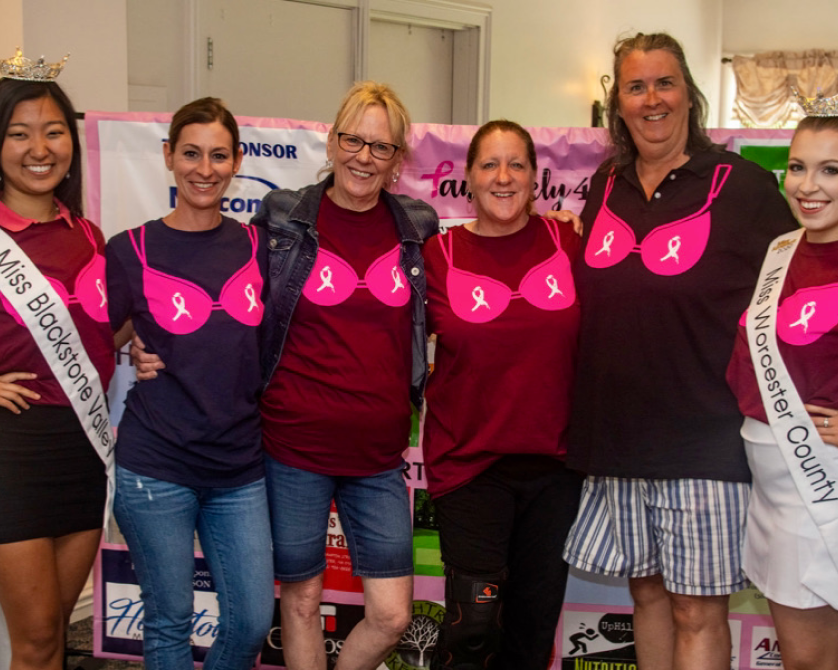
Pawsitively 4 Pink is always looking for businesses to partner with in helping breast cancer patients in need. If you own a business and want to make a difference, either during Breast Cancer Month or long term, please let us know here.
If you don’t have the resources or the time to organize a fundraiser, donating is the most impactful way to raise awareness about breast cancer. If you’d like to donate to Pawsitively 4 Pink, click here. If you’d like to volunteer instead, we’d love to have you! Sign up here to become a volunteer.
Happy (productive) Breast Cancer Awareness Month!