

Breast Cancer Survivor Story: Finding Hope After Treatment
Breast Cancer Survivor Story: Finding Hope After Treatment
Wendy B. on diagnosis, the bills that did not stop, and what six months of stability made possible.
When you know your rent is covered, your car insurance is paid, and you can go to the store and buy groceries and the things you need, you can finally breathe a little easier.
Wendy B.
Introduction
Every breast cancer story is personal. There is the day of diagnosis. The first appointment. The treatment plan. The fear that settles into ordinary moments. The way life keeps asking for groceries, work schedules, rent, and courage, even when everything has changed.
And then, for many women, there is the part no one talks about enough: life after treatment. People may celebrate the last chemotherapy appointment, the final radiation treatment, or the scan that brings good news. Those moments matter. They deserve to be honored. But healing after breast cancer is rarely as simple as going back to normal. For Wendy, hope did not arrive all at once. It came slowly, through practical help, honest conversations, and the steady realization that she did not have to rebuild her life alone. This is her story.

Before everything changed
Before breast cancer, Wendy’s life ran on the ordinary rhythm that most of us never stop to notice.
She kept her own household and covered her own bills. Rent came due at the start of the month and she paid it. Her car got her where she needed to be, and she kept it insured. She did her own grocery shopping and handled what needed handling. It was not a life with much slack in it, but it worked, and it was hers. She was not thinking about treatment rooms or medical bills. She was not planning her days around appointments. She was not imagining the way a single diagnosis could reach into every corner of a life.
Then came the moment that changed everything. I remember how quickly everything changed. You hear the words “you have breast cancer,” and suddenly your mind goes in a hundred different directions. There was fear, disbelief, and so many questions about what was going to happen next.
For many women, a breast cancer diagnosis is not only medical. It is emotional, financial, practical, and deeply personal. The National Cancer Institute’s guidance on life after cancer treatment notes that people often have to adjust to new feelings, different sources of support, physical changes, and new ways of looking at life after cancer. That was true for Wendy.
The part people could see
From the outside, people often see the treatment schedule. Appointments, rides, procedures, medications, follow-up visits. They see the visible parts of breast cancer. What they may not see is the mental list running underneath all of it:
- How will I keep working?
- How will I pay the bills?
- How will my family get through this?
- What happens if I am too tired to do what I used to do?
- Who can I ask for help?
For Wendy, treatment was not only about getting through the next medical step. It was about trying to keep life from falling apart while her body was fighting to heal.
One of the hardest things was realizing that even though I was dealing with breast cancer, all of my regular bills and responsibilities were still there. Rent still had to be paid. I still needed my car and had to keep it insured. I still needed groceries and everyday essentials.
You’re supposed to be concentrating on getting better, but instead you’re also worrying about how you’re going to keep a roof over your head and make ends meet.
This is why support matters. Breast cancer does not pause rent, utilities, groceries, transportation, or family needs. Pawsitively 4 Pink exists because no woman should have to choose between healing and basic survival.

The part people could not see
After treatment, people often expect relief. And relief may come. But so can fear. The American Cancer Society’s guidance on life after cancer explains that finishing treatment can bring hope and happiness, but also worry, fear of recurrence, body image concerns, changes in relationships, and strong emotions that may surface once treatment ends. Wendy has seen how differently that season is understood from the outside.
I think people expect you to go back to normal once treatment is over. But you don’t just pick up exactly where you left off. There can still be fear, exhaustion, financial stress, appointments, and the worry about what comes next. Cancer changes you, and finding your way forward takes time.
This is one of the reasons survivor stories matter. They tell the truth that statistics cannot hold. They remind other women that feeling afraid after treatment does not mean they are ungrateful. Feeling tired does not mean they are weak. Needing support does not mean they are failing. It means they are human.
Finding hope in practical support
Hope is usually described as a feeling. But for many women facing breast cancer, hope is also practical.
Hope can look like a gas card that makes it possible to get to treatment. Help with rent or utilities. Groceries in the kitchen. A phone call from someone who understands. One less impossible decision. Through the Power to Thrive Program, Pawsitively 4 Pink helps women with breast cancer stabilize the essential parts of life so they can put their energy into treatment, recovery, and their families. For Wendy, that meant six months of rent, her car insurance paid off, and Walmart gift cards for groceries and household essentials.
Those may sound like everyday things, but when you’re going through breast cancer and struggling financially, they are huge. For six months, I knew I had a roof over my head. I knew I could keep my car on the road.
I knew I could buy groceries and the things I needed. P4P gave me something that is hard to put a price on during cancer treatment — a little bit of stability and the chance to focus on getting through what was in front of me instead of constantly worrying about the next bill.
It did not erase everything she was facing. But it gave her room to put her energy where it belonged.
Hope after treatment
Finding hope after treatment does not always mean waking up one day and feeling fearless. Sometimes hope is quieter than that.
It is going to the follow-up appointment even when anxiety shows up. Asking for help instead of pretending everything is fine. Resting without apology. Learning how to trust your body again. Letting people love you in practical ways.
Realizing that life may be different, but it can still be meaningful. For Wendy, hope after treatment has been less a single moment than a practice. It is getting up and dealing with the day that is actually in front of her rather than bracing for the one that might be coming. It is noticing where she is now. It is accepting that some days will be harder than others and going forward anyway.
When she talks about hope, she keeps it close to the ground. Hope means continuing to move forward. It doesn’t mean that I’m never afraid or that everything suddenly becomes easy. It means appreciating where I am today, taking things one day at a time, and believing there are still good things ahead.
The American Cancer Society’s information on cancer recurrence acknowledges that fear of recurrence can be part of survivorship. That fear is real. But it does not have to be carried alone. Support gives women room to live with uncertainty without being swallowed by it.
What she would tell another woman
We asked Wendy what she would say to someone who has just been diagnosed.
Don’t be afraid to ask for help, and when someone offers it, let them help you. You don’t have to carry everything by yourself. There are going to be good days and really difficult days. Just keep putting one foot in front of the other and know there are people who truly want to walk beside you.
What her story teaches us
Wendy’s story is a reminder that breast cancer recovery is not one single moment. It is a series of them.
- The moment she heard the diagnosis.
- The moment she realized the bills were not going to wait.
- The moment someone showed up.
- The moment practical support made the next step possible.
- The moment she could imagine life after treatment.
Every story matters because every woman is more than her diagnosis. She is a mother, daughter, partner, friend, neighbor, coworker, caregiver, dreamer, and person with a future worth protecting. When the P4P community gives, volunteers, sponsors, shares, and shows up, they are not only supporting a program. They are standing beside women like Wendy.
A message from Michelle
One of the greatest honors of this work is getting to know the women behind the diagnosis.Every woman we support has a story. Some are loud and full of visible courage. Others are quiet, private, and carried day by day. But every story matters.
When I think about Wendy, I think about her honesty. She did not soften how hard it was. She told us plainly that the rent did not stop, the car insurance did not stop, and the groceries still had to be bought, and that she was carrying all of it while she was supposed to be healing. That kind of truthfulness takes more strength than people realize, because our instinct is usually to say we are fine.

And I think about what she says to other women now. Let people help you. She is right, and I wish more women heard it earlier. Support should not stop when treatment ends. Hope should not depend on how much money a woman has in the bank.
Healing should not be overshadowed by fear of losing stability. That is why Pawsitively 4 Pink exists. To stand beside women. To ease the burden. To protect dignity. To help restore hope, one life at a time.
With love,
Michelle Power, LMHC
Founder & CEO, Pawsitively 4 Pink
Help another woman feel less alone
If Wendy’s story moved you, we invite you to help another woman facing breast cancer feel supported, seen, and less alone. Learn more about the Power to Thrive Program, explore our resources, or consider making a gift through our donation page.
Because every story matters. And every woman deserves support beyond the diagnosis.
Frequently asked questions
Why do breast cancer survivor stories matter?
Survivor stories help readers understand the human experience behind breast cancer. They can reduce isolation, offer hope, and show how emotional, practical, and community support can make recovery feel less lonely.
Is life after breast cancer treatment always easy?
No. Many women feel relief after treatment, but also experience fear, fatigue, emotional changes, relationship shifts, body image concerns, or uncertainty about the future.
What kind of support can help after treatment?
Support may include emotional encouragement, transportation, help with bills, food support, nutrition education, counseling, support groups, and practical assistance with daily living needs.
How does Pawsitively 4 Pink help women with breast cancer?
Pawsitively 4 Pink supports eligible women facing breast cancer in Massachusetts through practical assistance, resources, community support, and programs such as Power to Thrive and Nutrition for Healing.
Can someone apply for P4P support after treatment?
Eligibility depends on the program and individual circumstances. Women and families can visit the Apply for Assistance page to learn more about current requirements and application steps.
How can I help women like Wendy?
You can donate, volunteer, become a sponsor, share P4P resources, or help connect women facing breast cancer with support.
Medical disclaimer
This article is intended for educational, storytelling, and informational purposes only and should not be considered medical, mental health, legal, or financial advice. Every person’s experience with breast cancer is unique. Always consult a physician, oncology team, qualified healthcare provider, or licensed mental health professional regarding questions about diagnosis, treatment, recovery, survivorship, or emotional wellbeing.
References
- National Cancer Institute: Life After Cancer Treatment
- American Cancer Society: Life After Cancer
- American Cancer Society: Cancer Recurrence
- Pawsitively 4 Pink: Power to Thrive Program
- Pawsitively 4 Pink: Apply for Assistance
- Pawsitively 4 Pink: Our Impact

What Is Whole-Person Healing After Breast Cancer?
Because recovery is not only about surviving treatment. It is about rebuilding life with strength, dignity, and support.
When breast cancer treatment begins, the focus is often immediate and medical. Appointments. Surgery. Chemotherapy. Radiation. Medication. Scans. Bloodwork. Side effects. Decisions that feel too big and too fast. That medical care matters deeply. It is essential. But at Pawsitively 4 Pink, we also know that breast cancer affects far more than the body. It affects a woman's energy. Her confidence. Her finances. Her family. Her appetite. Her sleep. Her relationships. Her emotions. Her ability to work. Her sense of safety. Her trust in her own body.
That is why whole-person healing matters."Whole-person healing means we do not ask a woman to recover one piece at a time. We support the body, the mind, the home, the family, and the future she is trying to rebuild." Whole-person healing is the understanding that recovery after breast cancer is not just about removing disease or finishing treatment. It is about helping a woman rebuild her life in a way that honors everything she has been through. It does not replace medical care. It supports the whole human being receiving that care.
What Does Whole-Person Healing Mean?
Whole-person healing looks at the full picture of recovery. It asks better questions than, "Is treatment over?"
It asks:
- Does she have enough food in the house?
- Can she get to appointments?
- Is she sleeping?
- Does she feel safe in her body?
- Is fear of recurrence keeping her from resting?
- Does she have emotional support?
- Can she afford rent, utilities, transportation, or groceries?
- Does she know what nourishment, movement, and support can look like in this season?
The National Cancer Institute's survivorship resources describe survivorship as beginning at diagnosis and continuing through the rest of life. That matters because a woman does not suddenly stop needing support when treatment ends or when the calendar says she should be "back to normal." For many women, healing continues in layers. Physical healing. Emotional healing. Financial recovery. Family adjustment. Nutrition. Movement. Confidence. Hope. Whole-person healing makes room for all of it.

What Whole-Person Healing Is Not
Because the word "holistic" is sometimes misunderstood, it is important to be clear. Whole-person healing is not telling women to replace medical treatment with lifestyle advice. It is not blaming someone for being sick. It is not asking a woman to stay positive all the time. It is not pretending vegetables, yoga, journaling, prayer, therapy, or community support can erase the reality of cancer. Whole-person healing is support, not pressure. It works best when it stands beside medical care and helps women care for the parts of life that medical treatment alone cannot carry.
The Five Parts of Whole-Person Healing
Every woman's experience is different, but whole-person support often includes five connected areas.
| Area of Healing | What It Can Include | Why It Matters |
|---|---|---|
| Physical Recovery | Fatigue, pain, strength, sleep, movement, follow-up care, side effects, body changes. | The body has been through a major experience and may need time, patience, and coordinated support. |
| Emotional Healing | Fear, grief, anxiety, anger, body image, identity, relationships, and uncertainty. | Many women continue processing the emotional weight of breast cancer long after treatment ends. |
| Nourishment | Food, hydration, nutrition education, rebuilding energy, reducing shame around eating, and realistic routines. | Nutrition can support strength, energy, and quality of life, especially when delivered with compassion rather than judgment. |
| Practical Stability | Housing, utilities, transportation, groceries, work disruption, childcare, and essential expenses. | Healing is harder when a woman is worried about losing her home, missing treatment, or feeding her family. |
| Community and Meaning | Support groups, trusted friends, family communication, spiritual care, purpose, and feeling seen. | No woman should have to rebuild her life in isolation. |
1. Physical Healing: The Body Needs Time
After breast cancer treatment, some people expect the body to bounce back quickly. But recovery is not always immediate. Fatigue can linger. Scars may change how a woman feels in her body. Sleep may be disrupted. Strength may need to be rebuilt slowly. Follow-up appointments can bring anxiety. Hormonal changes, medication side effects, or pain may affect daily life.
The American Cancer Society's guidance on life after cancer notes that adjusting after treatment can involve complicated emotions, fear of recurrence, relationship changes, body image concerns, and the need for support. Whole-person healing respects the body instead of rushing it. It says: move gently when you are able. Rest when you need to. Ask your care team about symptoms. Do not compare your recovery to anyone else's timeline. Healing is not a performance.
2. Emotional Healing: The Feelings Deserve Care, Too
Breast cancer can be emotionally exhausting. Some women feel fear. Some feel anger. Some feel gratitude and grief at the same time. Some feel pressure to be inspiring. Some feel guilty for not feeling happier when treatment is over. All of those feelings deserve care. Whole-person healing recognizes that emotional recovery is not a side issue. It is part of survivorship. Support may include counseling, peer support, spiritual care, journaling, honest conversations, support groups, or simply having someone say, "You do not have to pretend with me." For P4P, this matters because breast cancer is not only a diagnosis on paper. It is an experience that can shake a woman's confidence, relationships, identity, and sense of safety. Emotional healing helps women feel less alone inside that experience.
3. Nourishment: Food Should Support Healing, Not Create Shame
Nutrition can be an important part of recovery, but it should never become another source of fear or pressure. After treatment, many women want to know what to eat, how to rebuild energy, how to support digestion, and how to make healthy choices when they are tired or overwhelmed. The American Cancer Society's nutrition and physical activity resources explain that eating well and staying active during and after cancer treatment can support energy, quality of life, and overall wellbeing, while also acknowledging that side effects and fatigue can make this difficult.
That is the heart of compassionate nutrition: helpful, realistic, and judgment-free. Pawsitively 4 Pink created Nutrition for Healing with Sanara Wellness because women deserve support that is practical and kind. The program helps women learn how whole-food nutrition, gentle lifestyle strategies, and encouragement can support recovery without shame, extremes, or overwhelm. This is where experts like Tieva and Malory bring important perspective. Nutrition is not about perfection. It is about rebuilding trust with the body, creating realistic routines, and helping women feel informed and supported.
4. Movement: Strength Can Return Slowly
Movement after breast cancer does not have to mean intense exercise. For some women, it may begin with stretching. A short walk. Breathing exercises. Physical therapy. Gentle yoga. Walking to the mailbox. Standing up during the day. Rebuilding strength one small step at a time.
The American Cancer Society's physical activity guidance notes that, for most people, physical activity can be safe and helpful before, during, and after cancer treatment, but women should talk with their healthcare team about what is appropriate for their situation. Whole-person healing does not push a woman to do more than her body is ready for. It invites her to rebuild strength gently, with medical guidance and self-compassion.
5. Practical Stability: Healing Needs a Foundation
It is hard to focus on healing when rent is due. It is hard to rest when utilities are at risk. It is hard to recover when transportation, groceries, childcare, or work disruption are creating constant stress. This is the piece of breast cancer support that is too often overlooked. Whole-person healing includes practical stability because real life does not pause for treatment.
Pawsitively 4 Pink's Power to Thrive Program exists to help women with breast cancer stabilize their lives so they can focus on healing. P4P's Apply for Assistance page explains that support may include help with housing, transportation, pet care, medical-related expenses, and emotional support programs. This is also where financial professionals and community advocates can make a difference. Someone like Flavia, with financial expertise, helps remind us that stability is not separate from wellness. For many women, stability is what makes healing possible.

Why This Matters for Families and Caregivers
Whole-person healing is not only for the woman diagnosed. It helps families understand what support can look like. A caregiver may not be able to change the diagnosis, but they can help protect the conditions that make healing easier.
- Bring food that is easy to reheat.
- Offer rides to treatment or follow-up appointments.
- Help organize bills, paperwork, or resources.
- Listen without trying to fix every feeling.
- Encourage rest without making her feel weak.
- Ask what kind of support feels helpful today.
Support does not have to be dramatic to matter. Often, the most meaningful support is steady, practical, and respectful.
How Pawsitively 4 Pink Supports Whole-Person Healing
P4P's mission has always been rooted in the real-life needs of women facing breast cancer. That includes financial assistance. Nutrition education. Emotional encouragement. Community support. Practical resources. Dignity. Stability. Hope. Through programs such as Power to Thrive and Nutrition for Healing, P4P helps women address the parts of recovery that often happen outside the hospital walls. Because whole-person healing asks a different question. Not only, "Did she finish treatment?" But also, "Does she have what she needs to live, recover, and feel supported?"
A Message from Michelle
When I think about whole-person healing, I think about the women we have met who were doing everything they could to survive while quietly carrying the weight of everyday life.
They were making medical decisions, managing fear, showing up for families, trying to work, trying to rest, trying to heal, and still wondering how the bills would get paid. That is why Pawsitively 4 Pink exists. We believe a woman deserves support for more than one part of her journey. She deserves care that sees her whole life.
- Her body.
- Her mind.
- Her home.
- Her family.
- Her future.
Whole-person healing is not about doing recovery perfectly. It is about being surrounded by the right support while you find your way forward.
With love,
Michelle Power, LMHC
Founder & CEO
Pawsitively 4 Pink
If you or someone you love is navigating breast cancer treatment or recovery, Pawsitively 4 Pink is here to help.
Learn more about Nutrition for Healing, explore the Power to Thrive Program, or visit our Resources page for support.
Frequently Asked Questions
What is whole-person healing after breast cancer?
Whole-person healing means supporting the physical, emotional, nutritional, practical, relational, and financial needs that can arise during and after breast cancer treatment.
Does whole-person healing replace medical care?
No. Whole-person healing does not replace medical care. It supports the whole person receiving medical care and should work alongside guidance from a healthcare team.
Why is emotional healing important after breast cancer?
Many women experience fear, grief, anxiety, body image changes, relationship shifts, or uncertainty after diagnosis and treatment. Emotional support helps women process those changes without feeling alone.
Can nutrition support recovery after breast cancer?
Nutrition can support strength, energy, and overall wellbeing, but it should be realistic and individualized. Women should talk with their healthcare team before making major dietary changes.
What kind of practical support might women need?
Women may need help with housing, utilities, groceries, transportation, childcare, pet care, medical-related expenses, and other everyday needs that continue during treatment and recovery.
Where can women in Massachusetts find support?
Women in Massachusetts facing breast cancer-related financial hardship can explore Pawsitively 4 Pink's Apply for Assistance page, Power to Thrive Program, and Nutrition for Healing.
Suggested Internal Links
- Nutrition for Healing
- Power to Thrive Program
- Apply for Assistance
- P4P Resources
- P4P Board Members
- Donate
- Volunteer
- Contact P4P
Medical Disclaimer
This article is intended for educational and informational purposes only and should not be considered medical, nutrition, mental health, legal, or financial advice. Every person's experience with breast cancer is unique. Always consult a physician, oncology team, registered dietitian, qualified healthcare provider, or licensed mental health professional regarding questions about diagnosis, treatment, nutrition, movement, recovery, or emotional wellbeing.
References
- National Cancer Institute: Cancer Survivorship
- American Cancer Society: Life After Cancer
- American Cancer Society: Nutrition and Physical Activity During and After Cancer Treatment
- American Cancer Society: Physical Activity When You Have Cancer
- Pawsitively 4 Pink: Nutrition for Healing
- Pawsitively 4 Pink: Power to Thrive Program
- Pawsitively 4 Pink: Apply for Assistance
- Pawsitively 4 Pink: Board Members

How to Support Someone With Breast Cancer Without Saying the Wrong Thing
Because showing up matters more than having the perfect words.
"You do not need perfect words to be helpful. You need compassion, consistency, and the courage to stay close."
When someone you love is diagnosed with breast cancer, one of the first things you may feel is fear. Fear for their health. Fear for their family. Fear of what treatment may bring. And, often, fear that you might say the wrong thing. So many people mean well, but freeze. They want to be supportive, but they do not know whether to ask questions, offer advice, give space, bring food, send a text, or simply sit quietly. Sometimes the worry about saying the wrong thing becomes so loud that people say nothing at all. At Pawsitively 4 Pink, we have seen this happen again and again. Friends, relatives, neighbors, coworkers, and community members want to help women facing breast cancer, but they are unsure where to begin.
This article is for them. It is also for the caregivers who are quietly carrying more than most people realize. It is for the friend who wants to text but keeps deleting the message. It is for the sister who wants to help but does not want to overwhelm. It is for the coworker who wants to show compassion without invading privacy. It is for the person who says, "I care so much, but I do not know what to do."
The good news is this: support does not have to be perfect to be meaningful. It just has to be honest, respectful, and consistent.
Start Here: You Cannot Fix This, But You Can Show Up
One of the most loving things you can do is release yourself from the pressure to make everything better. You cannot take away the diagnosis. You cannot erase the fear. You cannot make treatment easier with one perfect sentence. But you can help someone feel less alone.
The American Cancer Society's guidance on what to say to someone who has cancer emphasizes that listening, respecting feelings, and offering sincere concern can be more meaningful than trying to change how someone feels. That is an important reminder for all of us.
Many people with breast cancer do not need their friends and family to have answers. They need people who are willing to remain present in the uncertainty.
Instead of trying to fix the situation, try beginning with care:
- "I am so sorry you are going through this."
- "I care about you, and I am here."
- "You do not have to respond right now. I just want you to know I am thinking of you."
- "I do not know the perfect thing to say, but I do not want to disappear."
That last sentence may be one of the most honest and helpful things a person can say. It admits uncertainty without making the person with cancer responsible for comforting you.
What Not to Say
Most hurtful comments are not meant to be hurtful. They come from panic, discomfort, optimism, or a desire to say something encouraging.
Still, certain phrases can unintentionally minimize the experience of someone facing breast cancer.
| Instead of Saying | Why It Can Hurt | Try Saying |
|---|---|---|
| "Everything happens for a reason." | It can make suffering sound purposeful or deserved. | "I am so sorry this is happening. I am here with you." |
| "At least they caught it early." | Even an early diagnosis can be terrifying and life-changing. | "I know this is a lot to carry. How are you feeling today?" |
| "You are so strong." | It can create pressure to act brave when they feel scared or exhausted. | "You do not have to be strong with me." |
| "My aunt had breast cancer and..." | Comparison stories can increase fear or shift the focus away from the person in front of you. | "Would it help to talk, or would you rather be distracted today?" |
| "Have you tried this diet, supplement, or treatment?" | Unsolicited medical advice can feel overwhelming or judgmental. | "I trust you and your medical team. Is there anything practical I can help with this week?" |
| "Let me know if you need anything." | It puts the burden on the person in crisis to identify, organize, and ask for help. | "I can bring dinner Tuesday or drive you Thursday. Which would help more?" |
The goal is not to become afraid of every word. The goal is to speak in a way that centers the person who is going through cancer, not your own need to explain, compare, solve, or brighten the moment.

What to Say Instead
If you are unsure what to say, simple is usually better.
Try words that acknowledge the reality of what the person is facing without forcing positivity:
- "I am here, and I am not going anywhere."
- "You can tell me the truth about how you are doing."
- "Do you want to talk about cancer today, or would you rather talk about normal life?"
- "You do not have to make me feel better about this."
- "I can sit with you, drive you, bring food, or just text. Tell me what feels easiest."
The American Cancer Society's advice on being a friend to someone with cancer reminds supporters that listening, sending brief regular messages, calling at helpful times, offering practical help, and following through can make a real difference. That phrase - follow through - matters. Support is not only what you say when the diagnosis is new. It is what you keep doing after the first wave of attention fades.
Offer Specific Help
One of the best ways to support someone with breast cancer is to make help easy to accept. Many women do not want to feel like a burden. They may be exhausted, overwhelmed, private, or unsure what they need. A broad "let me know if you need anything" can be kind, but it often requires too much emotional labor from the person who is already carrying the most. Specific offers are better.
Try:
- "I am going grocery shopping tomorrow. Can I pick up milk, fruit, bread, or anything easy for the week?"
- "I can drive you to treatment on Wednesday."
- "I made soup. Can I drop it at your door at 5?"
- "I can sit with the kids for two hours this weekend."
- "I can walk the dog Monday and Thursday."
- "I can organize a meal train if you want one."
- "I can be the person who updates friends so you do not have to repeat the same news."
Practical support matters because breast cancer affects daily life. Appointments, treatment side effects, income changes, child care, transportation, groceries, and household tasks can become overwhelming quickly.
This is one reason Pawsitively 4 Pink's Power to Thrive Program focuses on stabilizing everyday needs for women with breast cancer, including support connected to housing, utilities, food, transportation, and other essential expenses. When practical burdens are eased, women have more room to focus on healing.
Respect Privacy
A breast cancer diagnosis is personal information. Even if you hear the news from someone else, it is not your story to share. Before posting, texting a group, telling coworkers, asking detailed questions, or giving updates to others, ask permission.
You can say:
- "Who knows right now?"
- "Are you comfortable with me telling anyone, or would you rather keep this private?"
- "If someone asks me, what would you like me to say?"
Privacy is not secrecy. It is respect. Let the person with cancer decide how much they want to share, when they want to share it, and with whom.
Support the Caregiver, Too
When someone is diagnosed with breast cancer, attention naturally turns toward the person receiving treatment. That is appropriate and necessary. But caregivers often become the quiet center of the storm.They may be managing appointments, medications, transportation, meals, insurance calls, children, work schedules, household responsibilities, and their own fear. They may feel guilty asking for help because they are not the patient.
The National Cancer Institute's caregiver support resources explain that caregivers may provide emotional support, help with daily activities, coordinate care, prepare food, assist with appointments, and manage needs from near or far. The NCI also notes that caregivers need support themselves in order to keep going. One of the kindest things you can do for a woman with breast cancer is to support the people supporting her.
Ask the caregiver:
- "What task can I take off your plate this week?"
- "Can I bring dinner for everyone, not just her?"
- "Can I sit with her so you can rest?"
- "Can I drive to one appointment so you have a break?"
- "Can I handle school pickup, groceries, laundry, or pet care?"
Caregivers need care, too. Supporting them is not secondary. It is part of supporting the woman they love.
Do Not Disappear After Treatment Starts
At the beginning, people often show up. They send flowers. They text. They drop off meals. They ask for updates. But as weeks and months pass, support can fade. Treatment may still be happening. Recovery may be just beginning. Emotional exhaustion may be growing. Financial stress may be increasing. This is when consistent support becomes powerful. Set reminders if you need to. Send a text every Friday. Drop off coffee after treatment days. Check in with the caregiver once a week. Remember scan dates. Offer rides for follow-up appointments. Invite the person into normal life without pressuring them to participate. Consistency says, "You are still remembered."
Let Her Be More Than a Diagnosis
Breast cancer can take over a person's calendar, body, energy, finances, and identity. But the woman facing breast cancer is still a whole person. She may still want to talk about her favorite show, her garden, her kids, her dog, her work, her faith, her funny neighbor, or what she wants to eat when nothing tastes right. Do not make every conversation about cancer.
Try asking:
- "Do you want to talk about treatment, or do you want a break from cancer talk?"
- "What would feel normal today?"
- "Can I send you something funny?"
- "Do you want company, quiet, or distraction?"
This gives her choice. And choice matters when so much feels out of her control.
When Practical Support Becomes Financial Support
Sometimes the most helpful support is not a sentence at all. It is helping someone stay stable. Breast cancer can create sudden financial strain. A woman may have to reduce work, take unpaid leave, pay for transportation, cover childcare, manage medical bills, or keep up with rent, utilities, groceries, and other essentials while treatment disrupts daily life.
That is why Pawsitively 4 Pink exists.Through programs like Apply for Assistance and the Power to Thrive Program, P4P helps eligible women in Massachusetts facing breast cancer with practical support that can ease financial pressure during treatment and recovery. If you are supporting someone with breast cancer and do not know how to help, connecting her to trusted resources can be a meaningful first step. You can also support the mission by choosing to donate, volunteer, or share P4P's resources with families who may need them.
A Simple Support Plan
If you are still unsure where to begin, start here:
- Send one honest message. "I care about you. I am here, and I do not want to disappear."
- Make one specific offer. Choose food, transportation, errands, childcare, pet care, or housework.
- Ask about privacy. Do not share news or updates without permission.
- Support the caregiver. Offer relief, meals, rides, or a listening ear.
- Keep showing up. Put reminders on your calendar for the long middle of treatment and recovery.
You do not have to do everything.
You just have to do something real.
A Message from Michelle
One thing I have learned from walking beside women through breast cancer is that support does not have to be complicated to be powerful.
- Sometimes it is a ride.
- Sometimes it is a warm meal.
- Sometimes it is a text that says, "You do not have to answer. I just want you to know I love you."
- Sometimes it is helping with a bill, dropping off groceries, sitting quietly, or remembering that recovery continues long after everyone else has moved on.
If someone you love is facing breast cancer, please do not let fear of saying the wrong thing keep you from showing up. Your presence matters. Your consistency matters. Your kindness matters. And if your family needs help, Pawsitively 4 Pink is here to stand beside you.
With love,
Michelle Power, LMHC
Founder & CEO
Pawsitively 4 Pink
If someone you love is facing breast cancer, you do not have to support them alone.Explore Pawsitively 4 Pink's resources, learn about the Power to Thrive Program, or contact P4P for guidance.
Because support does not have to be perfect. It just has to be present.
Frequently Asked Questions
What should I say to someone with breast cancer?
Start with honesty and compassion. Simple phrases like "I am sorry you are going through this," "I care about you," and "I am here to listen" are often more helpful than advice or forced positivity.
What should I avoid saying to someone with breast cancer?
Avoid minimizing the diagnosis, comparing their experience to someone else's, offering unsolicited medical advice, or pressuring them to stay positive. Let them feel what they feel.
How can I help without overwhelming them?
Offer specific help instead of asking broad questions. For example, offer to bring dinner, drive to an appointment, pick up groceries, walk the dog, or help with childcare.
How can I support the caregiver?
Caregivers often need meals, errands, breaks, emotional support, and practical help. Ask what task you can take off their plate, and follow through consistently.
Is it okay to talk about normal life?
Yes. Many women appreciate conversations that are not only about cancer. Ask whether they want to talk about treatment or would rather have a break and enjoy normal conversation.
Where can women with breast cancer in Massachusetts find practical support?
Women in Massachusetts facing breast cancer-related financial hardship can explore Pawsitively 4 Pink's Apply for Assistance page and Power to Thrive Program.
Medical Disclaimer
This article is intended for educational and informational purposes only and should not be considered medical, mental health, legal, or financial advice. Every person's experience with breast cancer is unique. Always consult a physician, oncology team, qualified healthcare provider, or licensed mental health professional regarding questions about diagnosis, treatment, recovery, mental health, or caregiving needs.
References
- American Cancer Society: When Someone You Know Has Cancer
- American Cancer Society: Being a Friend to Someone with Cancer
- National Cancer Institute: Support for Caregivers of Cancer Patients
- National Cancer Institute: Informal Caregivers in Cancer
- Pawsitively 4 Pink: Apply for Assistance
- Pawsitively 4 Pink: Power to Thrive Program

The Emotional Side of Breast Cancer Recovery Nobody Talks About
Healing Is Not Only Physical
Sometimes getting your sparkle back does not mean becoming who you were before breast cancer. It means learning how to shine again as the woman you are now.
Breast cancer recovery is often described in physical terms.
Surgery. Chemotherapy. Radiation. Medication. Scars. Fatigue. Follow-up appointments.
Those things matter deeply. But they are not the whole story.
There is another part of recovery that many women carry quietly: the emotional side.
The fear that returns before every scan. The grief over a body that feels different. The exhaustion of being told how strong you are when you do not feel strong at all. The pressure to be grateful, positive, and ready to move on. The strange loneliness that can appear after treatment ends and everyone else assumes life is back to normal.
At Pawsitively 4 Pink, we believe women deserve support for the whole journey. That includes the parts of recovery that are harder to see.
Because healing is not only physical.
It is emotional, too.
Why Emotional Recovery Can Be So Hard to Explain
During treatment, many women are focused on getting through the next appointment, the next infusion, the next surgery, the next hard day. There may not be time or energy to fully process what is happening emotionally.
Then treatment slows down or ends, and the feelings that were tucked away begin to surface.
The American Cancer Society's guidance on life after cancer explains that finishing treatment can bring hope and happiness, but also worry, fear, sadness, anger, and uncertainty. The National Cancer Institute's Life After Cancer Treatment resources describe this transition as adjusting to a "new normal," where survivors may feel relieved and anxious at the same time.
That combination can be confusing.
A woman may think, "I should be happy. Why am I crying?"
She may wonder, "Why do I feel lost when everyone keeps telling me I made it?"
She may feel guilty because she survived, yet she still feels afraid.
These feelings are not wrong. They are part of the emotional aftermath of something life-changing.
The Feelings Nobody Warns You About
Every woman has her own experience, but there are emotional patterns we hear often from women navigating breast cancer recovery.
Fear of Recurrence
Fear of recurrence is one of the most common and most exhausting parts of survivorship.
A headache can feel suspicious. A new ache can trigger panic. A follow-up appointment can make the whole week feel heavy. Even when a doctor says things look good, the mind may still whisper, "But what if?"
The American Cancer Society's recurrence resources note that fear and anxiety are normal parts of survivorship and are often strongest in the first year after treatment. That does not make the fear easy, but it can help women understand that they are not alone in it.
Grief
Grief after breast cancer can surprise people.
A woman may grieve her body before surgery. She may grieve her hair, her energy, her confidence, her routines, or the version of life she thought she would have. She may grieve the way people treated her before cancer became part of the story.
Grief does not mean she is ungrateful.
Grief means something changed.
Anger
Anger can be uncomfortable, especially for women who are used to being strong, kind, and composed for everyone else.
But anger can be part of healing.
Anger at the diagnosis. Anger at the disruption. Anger at bills. Anger at side effects. Anger at people who disappeared. Anger at people who said the wrong thing. Anger at a body that suddenly felt untrustworthy.
Anger is not a failure of positivity. It is a human response to pain and disruption.
Body Image Changes
Breast cancer treatment can change the way a woman sees herself.
Scars, hair changes, weight changes, swelling, surgical changes, early menopause symptoms, fatigue, and sexual health changes can all affect confidence. Some women feel disconnected from their reflection. Some feel proud of what their body survived. Some feel both at different moments.
The American Cancer Society recognizes body image as an important part of life after cancer because physical changes can affect how survivors feel about themselves.
Getting your sparkle back does not mean pretending those changes do not matter. It means being supported as you learn how to feel at home in your body again.
Loneliness
One of the hardest emotional experiences after breast cancer is feeling alone in a room full of people who love you.
Friends may be relieved. Family may be ready to celebrate. Coworkers may assume you are back. But inside, you may still be processing fear, exhaustion, uncertainty, or grief.
Sometimes the loneliness comes from not wanting to worry anyone.
Sometimes it comes from not knowing how to explain what you feel.
Sometimes it comes from realizing that people can love you deeply and still not fully understand what breast cancer has changed.
You do not have to be cheerful to be healing. You do not have to be fearless to be strong.
The Pressure to Be Positive
Many women hear phrases like:
- "Stay positive."
- "You beat it."
- "At least treatment is over."
- "You should be celebrating."
- "You're so strong."
Most of the time, people say these things because they care. They want to encourage. They want to make the pain smaller.
But sometimes those words can make a woman feel like there is no room for the truth.
The truth may be: "I am grateful, but I am tired."
Or: "I am relieved, but I am scared."
Or: "I am proud of myself, but I do not feel like myself."
Hope should never require pretending.
Real hope has room for honesty.
What Emotional Healing Can Look Like
Emotional recovery does not happen all at once. It often arrives in small, ordinary moments.
It may look like:
- Finally saying, "I am not okay today."
- Letting someone help without apologizing.
- Going to a counseling appointment.
- Joining a support group.
- Taking a slow walk.
- Writing down fears instead of carrying them silently.
- Finding clothes that feel comfortable and beautiful on your body now.
- Resting without guilt.
- Laughing again and not feeling guilty for it.
- Making one small plan for the future.
Some days, emotional healing feels brave.
Some days, it feels quiet.
Both count.
When to Ask for More Support
Some fear, sadness, and uncertainty can be part of recovery. But no woman should have to suffer silently.
It may be time to ask for more support if emotional distress is affecting sleep, relationships, appetite, work, daily routines, or your ability to feel safe in your life.
Support may include:
- Talking with your oncology team
- Meeting with an oncology social worker
- Working with a licensed mental health professional
- Joining a breast cancer support group
- Connecting with survivorship resources
- Asking trusted friends or family for specific help
The American Cancer Society's resources on adjusting to life with cancer recognize that cancer can affect feelings, relationships, work, finances, family life, and the body. Emotional support is not extra. It is part of whole-person care.
If you ever feel unsafe or in immediate danger, seek emergency help right away.
How Loved Ones Can Help
If you love someone recovering from breast cancer, one of the best things you can do is avoid rushing her emotional timeline.
Try saying:
- "You do not have to be positive with me."
- "I am still here after treatment, too."
- "Do you want to talk, rest, walk, or be distracted?"
- "What feels hardest this week?"
- "I believe you."
Continue checking in after the last treatment. Remember scan dates. Offer practical help. Let her repeat fears without making her feel dramatic. Celebrate when she wants to celebrate, and sit quietly with her when she does not.
Support does not have to be perfect to be powerful.
How Pawsitively 4 Pink Supports the Whole Journey
Pawsitively 4 Pink was created because breast cancer affects far more than medical charts. It affects the whole person and the whole family.
Through the Power to Thrive Program, P4P helps eligible low-income women in Massachusetts maintain stability during breast cancer treatment and early recovery by supporting essential needs such as housing, food, utilities, transportation, and emergency living expenses.
That matters because emotional healing is harder when a woman is worried about basic survival.
P4P also offers and connects women to supportive resources, including the P4P resource library and the Nutrition for Healing program, which helps women rebuild strength and well being through practical nutrition education and lifestyle coaching.
Our mission is not only to help women get through breast cancer.
It is to help them feel supported as they rebuild life after it.
A Message from Michelle
If you are reading this and wondering why you do not feel like yourself yet, I want you to know something very important.
You are not behind.
You are not ungrateful.
You are not failing at recovery.
You have been through something that touched every part of your life. It makes sense that healing would touch every part of your life too.
At Pawsitively 4 Pink, we believe women deserve space to be honest about the hard days and hopeful about the future. Both can exist together. You can cry and still be courageous. You can feel afraid and still be moving forward. You can need help and still be strong.
Your sparkle is not gone.
It may just be returning differently than you expected.
And we are here to walk beside you as it does.
With love,
Michelle Power, LMHC
Founder & CEO
Pawsitively 4 Pink
If you or someone you love is navigating the emotional side of breast cancer recovery, Pawsitively 4 Pink is here to help you feel less alone.
Explore the P4P resource library, learn about the Power to Thrive Program, or contact Pawsitively 4 Pink to learn more about available support.
Because emotional healing deserves support, too.
Frequently Asked Questions
Is it normal to feel sad or anxious after breast cancer treatment?
Yes. Many women experience complicated emotions after treatment, including sadness, anxiety, fear, grief, anger, and uncertainty. If these feelings interfere with daily life, talk with your oncology team or a licensed mental health professional.
Why do I feel worse emotionally now that treatment is over?
During treatment, many women focus on getting through the next step. After treatment, the emotions that were put aside may surface. The transition into survivorship can feel disorienting, even when there is relief.
What is fear of recurrence?
Fear of recurrence is worry that cancer may come back. It is common among survivors and can be triggered by scans, follow-up appointments, symptoms, anniversaries, or body changes.
How can I feel confident in my body again?
Body confidence can take time after breast cancer. Support may include talking with your care team, counseling, physical therapy, post-surgical clothing resources, support groups, gentle movement, and giving yourself permission to adjust at your own pace.
How can loved ones support emotional recovery?
Keep checking in after treatment ends, listen without rushing the survivor to feel better, offer specific practical help, remember scan dates, and make space for honest feelings.
Can Pawsitively 4 Pink help with recovery support?
P4P provides financial assistance and support resources for eligible women diagnosed with breast cancer in Massachusetts. Program eligibility and assistance availability may vary.
Suggested Internal Links
- Resources
- Power to Thrive Program
- Apply for Assistance
- Nutrition for Healing
- Donate
- Volunteer
- Contact P4P
Medical Disclaimer
This article is intended for educational and informational purposes only and should not be considered medical or mental health advice. Every person's experience with breast cancer is unique. Always consult your physician, oncology team, licensed mental health professional, or qualified healthcare provider regarding questions about diagnosis, treatment, emotional health, survivorship, or recovery. If you feel unsafe or in immediate danger, seek emergency help right away.
References
- American Cancer Society: Life After Cancer
- American Cancer Society: Cancer Recurrence and Fear of Recurrence
- American Cancer Society: Adjusting to Life With Cancer
- National Cancer Institute: Life After Cancer Treatment and the New Normal
- Pawsitively 4 Pink: Resources
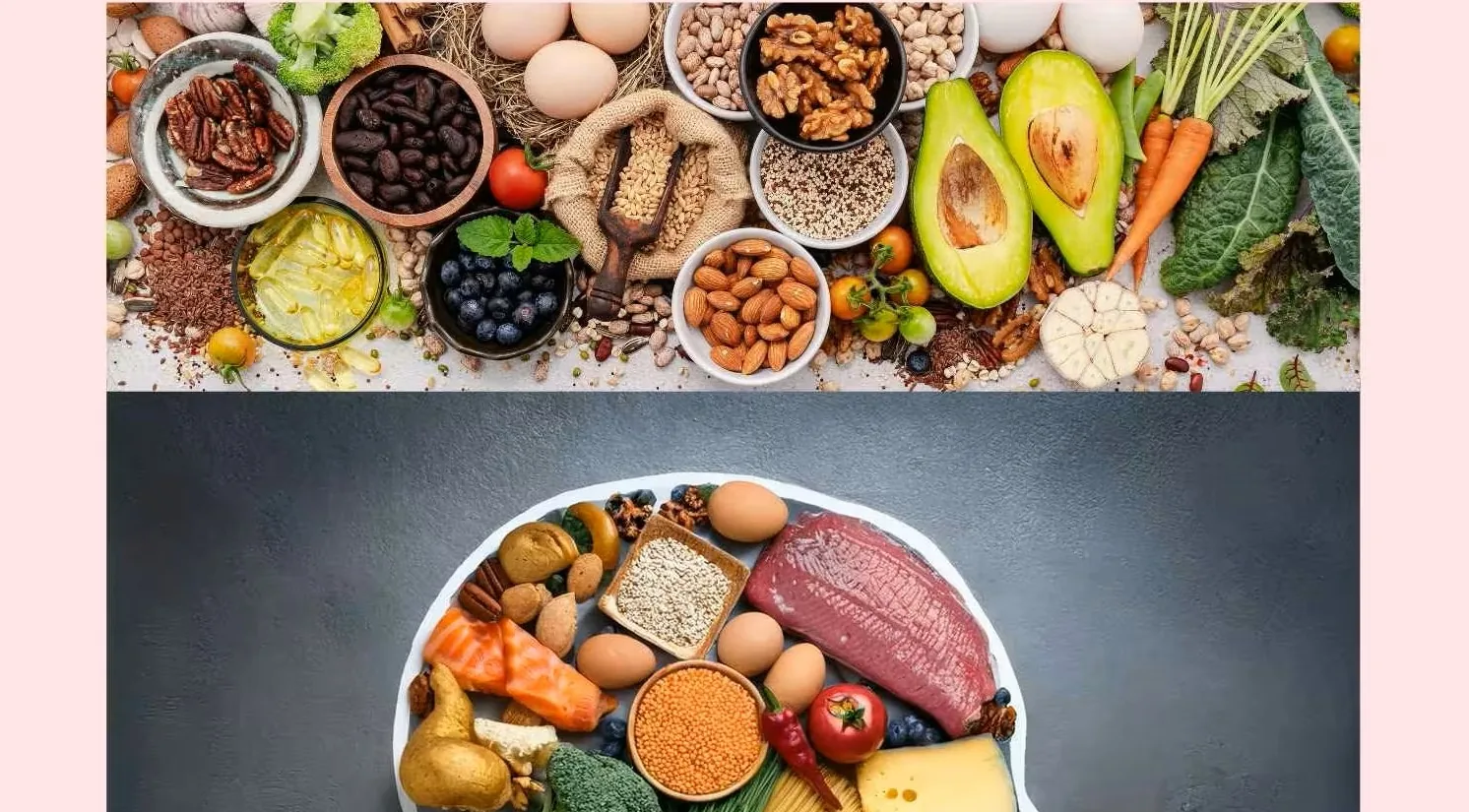
Nutrition During Breast Cancer Recovery: What Every Woman Should Know
Food Cannot Do Everything. But It Can Help You Rebuild.
Nutrition is not about perfection after breast cancer. It is about helping your body feel supported, one realistic choice at a time.
After breast cancer treatment, food can become surprisingly complicated.
Some women lose their appetite. Some feel hungry but nothing tastes right. Some are exhausted and cannot imagine cooking. Some are told by well-meaning friends to cut out sugar, try a supplement, follow a strict diet, or avoid entire food groups. Others simply want to know what they can do to feel stronger again.
If you have ever stood in your kitchen after treatment and thought, "What am I supposed to eat now?" you are not alone.
At Pawsitively 4 Pink, we believe healing goes beyond medical treatment. Recovery is not only about scans, appointments, and medications. It is also about energy, confidence, nourishment, emotional support, and the daily choices that help a woman feel more like herself again.
That is why nutrition matters.
Not because food is a cure. It is not.
Not because there is one perfect breast cancer recovery diet. There is not.
Nutrition matters because your body has been through something incredibly difficult. It deserves care, patience, and support as it rebuilds.
Why Nutrition Matters During Recovery
Breast cancer treatment can affect the body in many ways. Surgery, chemotherapy, radiation, hormone therapy, and other treatments may influence appetite, digestion, weight, taste, energy, muscle strength, hydration, mood, and overall well being.
The National Cancer Institute's Eating Hints guide explains that cancer treatment can create eating challenges before, during, and after treatment, and encourages patients to talk with their doctor, nurse, or dietitian about eating problems that affect them.
The American Cancer Society also emphasizes that eating well and staying active during and after cancer treatment can support quality of life, help manage eating problems, and help survivors make healthy lifestyle choices.
For women recovering from breast cancer, nutrition can help support:
- Energy during the day
- Muscle strength and recovery
- Wound healing after surgery
- Digestive comfort
- Hydration
- Immune system support
- Bone and heart health
- Overall confidence and routine
Nutrition is not a standalone treatment. It works alongside medical care, rest, movement, emotional support, and the guidance of your oncology team.
That distinction is important.
Food should never become another source of fear or guilt. It should become one more way to care for yourself.
There Is No One Perfect Cancer Recovery Diet
One of the most stressful things women hear after a cancer diagnosis is that they must follow a very specific diet to heal.
Some advice may be helpful. Some may be harmless. Some may be confusing, expensive, or even unsafe depending on a woman's treatment plan, medications, nutritional status, or immune system.
The truth is simple: every woman's needs are different.
A woman recovering from surgery may need different support than a woman experiencing nausea during chemotherapy. A woman with appetite loss may need different strategies than a woman gaining weight during hormone therapy. A woman with diabetes, kidney disease, food allergies, digestive issues, or medication interactions may need individualized guidance.
That is why the best nutrition plan is not the strictest one.
It is the one that is safe, sustainable, realistic, and tailored to the person living through recovery.
The goal is not to eat perfectly. The goal is to nourish a body that has been working hard to heal.

What to Focus On First
When everything feels overwhelming, start with the basics. These are not rules. They are gentle anchors that can help women begin rebuilding strength and routine.
1. Protein for Strength and Repair
Protein helps the body repair tissue, maintain muscle, and support healing. After surgery or treatment, many women benefit from making protein part of meals and snacks when tolerated.
Protein sources may include:
- Eggs
- Fish
- Chicken or turkey
- Beans and lentils
- Greek yogurt
- Cottage cheese
- Tofu or tempeh
- Nuts and nut butters, if safe for the individual
- Protein smoothies recommended by a care team or dietitian
If appetite is low, it may help to eat protein first while you have the most energy for a meal. The National Cancer Institute's nutrition guidance notes that nutrition goals should be individualized based on each person's condition, treatment, symptoms, and nutrition status.
2. Colorful Plant Foods for Nutrients and Fiber
Fruits, vegetables, beans, and whole grains provide vitamins, minerals, fiber, and other nutrients that support overall health. A colorful plate can be a simple visual reminder to include variety over time.
This does not mean every meal has to look perfect. It might mean adding berries to oatmeal, spinach to soup, beans to a salad, roasted vegetables to dinner, or a banana with peanut butter when cooking feels like too much.
Small additions count.
3. Fluids for Hydration
Hydration can affect energy, digestion, headaches, constipation, and how a person feels throughout the day. Water is helpful, but hydration can also come from soups, smoothies, herbal tea, fruit, and other fluids recommended by a care team.
If plain water tastes metallic or unpleasant after treatment, try adding lemon, cucumber, berries, or drinking it cold. Some women find warm drinks easier. Others tolerate small sips throughout the day better than large glasses at once.
4. Gentle, Realistic Meals
Recovery is not the time to judge yourself for needing simple food.
A healing meal can be soup from the freezer. It can be eggs and toast. It can be yogurt and fruit. It can be a smoothie. It can be leftovers. It can be something a friend dropped off. It can be a grocery store rotisserie chicken with microwave rice and vegetables.
Simple is not failure.
Simple is sometimes exactly what recovery requires.
When Eating Is Hard
Many women feel frustrated because they want to nourish their bodies, but treatment side effects make eating difficult.
Common challenges may include:
- Low appetite
- Nausea
- Dry mouth
- Mouth sores
- Taste changes
- Smell sensitivity
- Constipation
- Diarrhea
- Fatigue
- Difficulty shopping or cooking
The NCI Eating Hints guide includes practical suggestions for managing eating problems caused by cancer treatment. But the most important first step is this: tell your care team what is happening.
Do not assume you have to push through it alone.
A nurse, doctor, or registered dietitian may be able to suggest strategies, medications, food textures, meal timing, or nutrition support that fit your situation.
If Appetite Is Low
- Try smaller meals more often.
- Keep easy snacks nearby.
- Eat when your appetite is strongest, even if that is not a traditional mealtime.
- Choose foods that are easy to chew and swallow.
- Try smoothies, soups, or soft foods if solid meals feel too hard.
If Everything Tastes Different
- Try plastic utensils if food tastes metallic.
- Experiment with cold foods if smells are bothersome.
- Add mild herbs, citrus, or sauces if your care team says they are safe for you.
- Keep a short list of foods that are working right now.
If Fatigue Makes Cooking Feel Impossible
- Use frozen vegetables, pre-cut produce, canned beans, and simple pantry staples.
- Prepare double portions on better-energy days.
- Accept meals from friends or family when offered.
- Keep a few emergency meals available for hard days.
The goal is not to make recovery look beautiful. The goal is to make nourishment possible.
Food Safety Matters During Treatment and Early Recovery
For some women, cancer treatment can weaken the immune system. That can make food safety especially important.
The American Cancer Society's food safety guidance explains that cancer and treatment can affect the body's ability to fight infection, and it offers precautions for handling, storing, preparing, and choosing foods safely during treatment.
General food safety steps may include:
- Washing hands before preparing food and before eating
- Washing fruits and vegetables well
- Keeping raw meats separate from ready-to-eat foods
- Cooking meats, poultry, fish, and eggs thoroughly
- Refrigerating perishable foods promptly
- Avoiding foods your oncology team has told you to avoid
Food safety needs can vary depending on treatment, blood counts, immune status, and other health factors. Always follow your oncology team's guidance.
Be Careful With Supplements and Extreme Diets
After a breast cancer diagnosis, many women feel pressure to do everything possible to prevent recurrence or speed healing. That desire is completely understandable.
But more is not always better.
Supplements, herbal products, detox plans, fasting protocols, and extreme diets may interact with medications, affect treatment tolerance, or create nutritional gaps. Some may be inappropriate during certain treatments or for certain medical conditions.
Before starting any supplement or major diet change, talk with your oncology team or a registered dietitian who understands cancer care.
You deserve guidance that is safe, individualized, and grounded in evidence.
The Emotional Side of Food After Breast Cancer
Nutrition is not only physical. It can also be emotional.
Some women feel guilty about what they ate before diagnosis. Some feel afraid of making the wrong food choice. Some feel overwhelmed by online advice. Some feel frustrated by weight changes. Some miss the simple pleasure of eating without analyzing every bite.
If this is you, please hear this clearly: cancer is not your fault.
You did not cause your diagnosis by eating one food, missing one workout, or failing to follow one perfect wellness routine.
Food should not become punishment.
Food can be comfort. Food can be strength. Food can be culture, family, memory, and connection. Food can be one gentle way to return to yourself.
Healing is not built from fear. It is built from support, steadiness, and small choices that can be repeated.
How Pawsitively 4 Pink Helps
At Pawsitively 4 Pink, we know that many women want nutrition support, but cost, transportation, stress, and lack of access can get in the way.
That is why P4P created Nutrition for Healing, a six-week whole-food nutrition education and lifestyle coaching program developed in partnership with Sanara Wellness. The program is designed for women in treatment and early recovery, with the goal of helping participants rebuild strength, improve well being, and feel supported through practical nutrition education.
P4P provides sponsorship assistance for eligible low-income breast cancer patients to help reduce financial barriers to participation. If you or someone you love is navigating breast cancer treatment or early recovery, Pawsitively 4 Pink is here to help. Learn more about Nutrition for Healing, explore the Power to Thrive Program, or visit the P4P resource library for additional support.
This matters because nutrition support should not be available only to women who can afford private coaching or specialty programs. Women facing breast cancer deserve access to compassionate, practical guidance that meets them where they are.
Through Nutrition for Healing, women can receive education, encouragement, and tools that help them care for their bodies during a vulnerable season.
A Message from Michelle
One of the things I have learned from walking beside women through breast cancer is that healing is deeply personal. Some days, healing looks like getting to treatment. Some days, it looks like resting. Some days, it looks like asking for help. And some days, it looks like eating something nourishing when your body feels tired and unfamiliar. At Pawsitively 4 Pink, we believe women deserve support for the whole journey. Not just the medical journey, but the human one. That includes food, confidence, education, and the reassurance that they do not have to figure everything out alone. If you are in treatment or early recovery, please be gentle with yourself. You do not have to do this perfectly. You only have to take the next caring step.
With love,
Michelle Power, LMHC
Founder & CEO
Pawsitively 4 Pink
Because healing is not only about surviving breast cancer. It is about helping women feel supported as they rebuild their lives.
Frequently Asked Questions
Is there a specific diet every breast cancer survivor should follow?
No single diet is right for every woman. Nutrition needs depend on treatment, symptoms, medical history, appetite, weight changes, medications, and personal preferences. A registered dietitian or oncology care team can help tailor guidance to the individual.
Can nutrition help during breast cancer recovery?
Nutrition can support strength, energy, healing, hydration, digestive comfort, and overall well being. It should be viewed as supportive care, not as a replacement for medical treatment.
What should I eat if I have no appetite?
Small, frequent meals may be easier than large meals. Soft foods, smoothies, soups, yogurt, eggs, nut butters, or other protein-rich options may help depending on what you tolerate. Talk with your care team if appetite loss continues.
Should I take vitamins or supplements after breast cancer treatment?
Do not start supplements without speaking with your oncology team. Some supplements can interact with treatment or medications, and needs vary from person to person.
Is sugar dangerous after breast cancer?
It is common to hear frightening claims about sugar and cancer. A healthy eating pattern can limit sugary drinks and highly processed foods, but fear-based food rules can create unnecessary stress. Ask your oncology team or a registered dietitian for guidance that fits your diagnosis and treatment plan.
How can I join Nutrition for Healing?
Women interested in support can learn more through P4P's Nutrition for Healing page or contact Pawsitively 4 Pink for program details and eligibility.
Suggested Internal Links
- Nutrition for Healing
- Power to Thrive Program
- Apply for Assistance
- Resources
- Donate
- Volunteer
- Contact P4P
Medical Disclaimer
This article is intended for educational and informational purposes only and should not be considered medical or nutrition advice. Every person's experience with breast cancer is unique. Always consult your physician, oncology team, registered dietitian, or qualified healthcare provider regarding questions about diagnosis, treatment, nutrition, supplements, side effects, food safety, or recovery.
References
- National Cancer Institute: Eating Hints Before, During, and After Cancer Treatment
- American Cancer Society: Nutrition and Physical Activity During and After Cancer Treatment
- American Cancer Society: Nutrition and Physical Activity Guideline for Cancer Survivors
- American Cancer Society: Food Safety During Cancer Treatment
- Pawsitively 4 Pink: Nutrition for Healing

How Local Businesses Can Support Women Fighting Breast Cancer
When Business Becomes Community Care
When a local business steps forward, a woman facing breast cancer feels less alone.
Every community has businesses that do more than sell products or provide services.
They sponsor the Little League team. They donate raffle baskets. They show up at local events. They know their customers by name. They understand that a strong community is not built only through commerce. It is built through care.
At Pawsitively 4 Pink, we see the power of that care every day.
When a woman is diagnosed with breast cancer, her world can change in an instant. Treatment schedules begin. Work hours may be reduced. Medical appointments take over the calendar. Bills continue arriving. Rent is still due. Groceries still need to be bought. Children still need rides, meals, and reassurance.
For many women, the diagnosis itself is only one part of the burden. The financial and emotional pressure that follows can be overwhelming.
That is where local businesses can make an extraordinary difference.
Not every business can write a large check. Not every team has time to plan a major fundraiser. But every business has the ability to care in a way that is real, practical, and deeply meaningful.
When a local business partners with Pawsitively 4 Pink, that partnership becomes more than a logo on a flyer. It becomes rent paid during treatment. It becomes groceries on the table. It becomes transportation to appointments. It becomes a reminder to a woman in treatment that her community has not forgotten her.
Breast Cancer Affects More Than Health
Most people understand that breast cancer is physically and emotionally difficult. Fewer people understand how quickly it can create financial instability.
The National Cancer Institute describes financial toxicity as the financial distress that can happen because of cancer care costs. These costs can include medical bills, prescriptions, transportation, lost wages, childcare, and everyday household expenses that become harder to manage during treatment.
The American Cancer Society also notes that many people with cancer worry about how they will pay for treatment while keeping up with day-to-day expenses. For families already living on tight budgets, even a short disruption in income can create a serious crisis.
This is especially true for low-income women who may not have paid leave, flexible work arrangements, savings, or a large support system to help absorb the impact.
A woman should not have to choose between getting treatment and paying rent.
She should not have to skip groceries because the electric bill is due.
She should not have to recover from surgery while wondering if she can afford gas to get to her next appointment.
This is why community support matters so much. It helps close the gap between medical care and real life.
What Business Support Can Make Possible
Through the Power to Thrive Program, Pawsitively 4 Pink provides direct financial assistance and support services for low-income women diagnosed with breast cancer in Massachusetts. The program is designed to help women maintain stability during treatment and for up to six months after treatment ends.
That support can help cover basic needs such as:
- Housing and rent
- Mortgage support
- Utilities
- Food and groceries
- Transportation
- Emergency living expenses
These are not extras. They are the essentials that allow someone to keep going.
When a business gives, sponsors, volunteers, or partners with P4P, the impact is local and tangible. It helps a woman stay housed. It helps a family remain stable. It gives someone room to focus on treatment instead of spending every day in survival mode.
That kind of support is not abstract. It is deeply personal.
Corporate giving is at its best when it feels less like a transaction and more like a promise: we see you, we value you, and we are willing to stand beside you.
Five Meaningful Ways Local Businesses Can Help
Supporting women fighting breast cancer does not have to look the same for every business. A coffee shop, law office, gym, salon, restaurant, bank, real estate agency, school, construction company, and medical practice may all have different resources, but each can contribute in a meaningful way.
1. Become a Corporate Partner
One of the strongest ways to support P4P is through a formal corporate partnership. Corporate partners help fund direct assistance, community programs, and events that support women and families impacted by breast cancer.
Partnerships can be shaped around the size, goals, and capacity of each business. P4P's sponsorship options include community sponsorships, program sponsorships, event sponsorships, and presenting sponsorships.
A corporate partnership is a powerful option for businesses that want their giving to be consistent, visible, and connected to measurable community impact.
2. Sponsor a Program or Event
Event and program sponsorships are ideal for businesses that want to support a specific initiative. Sponsorship can help fund assistance programs, community events, awareness campaigns, or fundraising efforts that bring people together around P4P's mission.
 For a business, sponsorship can also create meaningful visibility. But the deeper value is the story behind that visibility. It tells customers, employees, and neighbors that your company believes women fighting breast cancer deserve practical support, dignity, and care.
3. Create an Employee Giving Campaign
Employees often want to give back, but they may not know where to begin. A workplace giving campaign gives them a simple way to make a local difference.
Businesses can organize:
- Casual dress days
- Round-up campaigns
- Donation matches
- Team fundraising challenges
- Monthly giving drives
- October Breast Cancer Awareness Month campaigns
Small gifts become powerful when a team participates together. A campaign that feels simple for employees can become deeply meaningful for a recipient who is trying to stay stable during treatment.
4. Offer In-Kind Support
In-kind giving allows businesses to support the mission with goods, services, expertise, or professional resources. This can be especially helpful for events, outreach, and program operations.
Examples may include:
- Food or beverages for events
- Printing or signage
- Gift cards for recipients
- Professional services
- Photography or videography
- Wellness services
- Event space
- Marketing support
In-kind support can reduce costs, strengthen events, and help more dollars go directly toward women who need assistance.
5. Volunteer as a Team
Some businesses make their greatest impact through time and presence.
Team volunteering gives employees a chance to connect with the mission in a human way. Whether helping at an event, supporting outreach, preparing materials, or raising awareness, volunteer teams help expand what P4P can do.
Businesses interested in getting involved can learn more through P4P's volunteer opportunities.
Why Local Partnership Matters
There are many worthy causes a business can support. What makes Pawsitively 4 Pink different is the depth and directness of the impact.
P4P is rooted in Massachusetts. The women served are our neighbors. They live in our communities, shop in our stores, work in our schools, worship in our towns, and raise families nearby.
When a local business supports P4P, the giving stays close to home.
It helps women who may be facing treatment while also managing rent, utilities, groceries, transportation, and the emotional weight of diagnosis. It helps families remain steady during a frightening time. It strengthens the local safety net in a way that is personal, immediate, and compassionate.
That matters.
Because breast cancer does not happen in isolation. It affects households, workplaces, neighborhoods, and entire communities. The response should be just as connected.
What Makes a Strong P4P Business Partnership?
The strongest partnerships are not built around a single transaction. They are built around shared values.
A strong P4P partner believes:
- Women deserve dignity during treatment.
- No one should face breast cancer alone.
- Financial hardship should not overshadow healing.
- Local businesses have a role in caring for their community.
- Giving should create practical, visible impact.
When those values align, partnership becomes natural.
It becomes a relationship. It becomes trust. It becomes a way for a business to say, "We are part of this community, and we are willing to help carry the people in it."
A Partner's Impact Can Be Bigger Than They Realize
A business owner may wonder if their gift is large enough to matter.
The answer is yes.
A single fundraiser can help cover groceries. A sponsorship can support direct assistance. A team volunteer day can make an event possible. A donated service can reduce costs. A social media post can introduce someone to resources they did not know existed.
Impact is not always measured by the size of the check. Sometimes it is measured by the moment a woman realizes she has one less thing to worry about.
For someone in treatment, relief matters.
Stability matters.
Being seen matters.
How Businesses Can Start
If your business wants to support women fighting breast cancer, the first step is simple: start a conversation.
You do not need to have the entire partnership planned. You do not need to know the perfect sponsorship level. You do not need to wait until October.
P4P can help identify a path that fits your business, your team, and your goals.
You can begin by exploring the Become a Partner page, making a direct donation, or connecting through the contact page.
If you know a woman in Massachusetts who may need support during breast cancer treatment, you can also share the Apply for Assistance page or P4P's resource library.
A Message from Michelle
To every local business owner, manager, employee, and community leader who has ever wondered whether your support can make a difference: it can.
I have seen what happens when a business decides to care. I have seen women breathe a little easier because a bill was paid. I have seen families feel supported because someone stepped forward. I have seen partnerships turn into relationships, and relationships turn into hope.
Pawsitively 4 Pink was built on the belief that women facing breast cancer deserve more than awareness. They deserve action. They deserve compassion. They deserve support that reaches into real life.
When your business partners with us, you become part of that support system.
You help remind women that they are not alone.
You help keep families stable.
You help make healing feel possible.
And for that, we are deeply grateful.
With love,
Michelle Power, LMHC
Founder & CEO
Pawsitively 4 Pink
If your business is ready to make a meaningful local impact, Pawsitively 4 Pink would be honored to connect with you.
Become a Partner: Visit the P4P partnership page to explore corporate sponsorship, event sponsorship, in-kind support, youth fundraising, and community partnership opportunities.
 Support the Mission Today: Make a gift through the P4P donation page.
Give Time: Learn about volunteering with P4P.
Frequently Asked Questions
How can a local business support women fighting breast cancer?
A business can support women through corporate sponsorship, event sponsorship, employee giving, in-kind donations, team volunteering, awareness campaigns, and direct donations to organizations such as Pawsitively 4 Pink.
Does business support go directly to local women?
P4P's Power to Thrive Program provides financial assistance and support services for low-income women diagnosed with breast cancer in Massachusetts. Sponsorships and donations help make this type of local support possible.
What kinds of businesses can partner with P4P?
Businesses of many sizes can partner with P4P, including restaurants, salons, gyms, medical offices, law firms, banks, real estate companies, retailers, schools, construction companies, and professional service firms. The best partnership is one that fits the business's capacity and values.
Can a small business make a meaningful difference?
Yes. Small businesses often have strong community relationships and loyal customers. A fundraiser, donation match, in-kind gift, or local awareness campaign can create meaningful support for women and families facing breast cancer.
Is a corporate sponsorship tax-deductible?
Pawsitively 4 Pink is a registered 501(c)(3) nonprofit organization. Businesses should consult their tax professional for guidance about tax treatment, sponsorships, and charitable contributions.
How does a business get started?
The easiest first step is to visit the Become a Partner page or contact P4P to discuss the partnership option that best fits your business.
Medical and Financial Disclaimer
This article is intended for educational and informational purposes only and should not be considered medical, legal, tax, or financial advice. Every person's experience with breast cancer is unique. Individuals should consult their healthcare team regarding medical questions and qualified financial, legal, or tax professionals regarding financial or business decisions. Pawsitively 4 Pink program eligibility, sponsorship opportunities, and assistance availability may vary.
References
- National Cancer Institute: Financial Toxicity and Cancer Treatment
- American Cancer Society: Financial Hardship and the Cost of Cancer
- Pawsitively 4 Pink: Become a Corporate Partner
- Pawsitively 4 Pink: Power to Thrive Program
- Pawsitively 4 Pink: Donate

What Life After Breast Cancer Really Feels Like
Survivorship Is More Than Being Done With Treatment
Sometimes the hardest part of surviving breast cancer is learning how to live after everyone else thinks the hardest part is over.
There is a moment many people imagine when they think about breast cancer recovery.
The treatment ends. The scans are clear. The bell is rung. Family and friends gather around with flowers, hugs, and tears. Everyone breathes again.
From the outside, it looks like the finish line.
But for many women, life after breast cancer does not feel like a simple return to normal. It can feel like standing in the middle of two worlds: grateful to be here, but unsure how to feel like yourself again.
At Pawsitively 4 Pink, we have learned that survivorship is not one emotion. It is many emotions living side by side.
Relief and fear.
Gratitude and grief.
Hope and exhaustion.
Courage and uncertainty.
If life after breast cancer feels more complicated than you expected, you are not alone. And you are not doing recovery wrong.

A Story We Hear Often
For privacy, the story below is a composite inspired by common experiences women share after breast cancer treatment.
Elena had counted down to her final radiation appointment for weeks.
She imagined she would walk out of the treatment center and feel light. She imagined she would cry happy tears, hug her family, and finally exhale. In some ways, she did. She was relieved. She was thankful. She knew how much she had survived.
But that night, after everyone went home and the house became quiet, Elena sat at the kitchen table and felt something she could not explain.
She was done with treatment, but she did not feel done.
Her body was tired in a way sleep did not fully fix. Her skin still hurt. Her chest felt unfamiliar. Her mind jumped every time she felt a new ache. When people said, "You must be so happy this is over," she smiled because she knew they meant well.
But inside, she thought, "Why do I still feel scared?"
The appointments slowed down. The texts slowed down. The meals stopped arriving. Friends went back to talking about work, weekend plans, school schedules, and ordinary problems. Elena wanted ordinary problems too. She missed the version of herself who could move through the day without calculating her energy, checking her body, or wondering if the cancer might return.
She was grateful to be alive.
She was also grieving.
Both things were true.
Why Life After Breast Cancer Can Feel So Complicated
Breast cancer changes more than the body. It can change a woman's routines, relationships, work, finances, identity, confidence, and sense of safety in her own body.
The American Cancer Society's guidance on life after cancer explains that finishing treatment can bring hope and happiness, but also worry, fear, sadness, anger, and uncertainty. The National Cancer Institute describes survivorship as beginning at diagnosis and continuing through the rest of life, which means survivorship is not a single milestone. It is an ongoing part of a person's story.
That matters because many women feel pressure to "move on" before they have had time to understand what they have been through.
During treatment, there is often a plan. Appointments are scheduled. Doctors explain the next step. Friends know how to help. The focus is clear: get through treatment.
After treatment, the structure can suddenly disappear.
And that space can feel unsettling.
The Emotional Reality of Survivorship
Every woman experiences survivorship differently, but many women describe emotions that are difficult to explain to people who have not lived through cancer.
Fear of Recurrence
Fear that cancer could come back is one of the most common emotional experiences after treatment. A follow-up appointment, a scan, a new pain, or even an ordinary change in the body can bring anxiety rushing back.
The American Cancer Society's recurrence resources note that fear and anxiety are normal parts of survivorship and are often strongest during the first year after treatment. The National Cancer Institute's Life After Cancer Treatment resources also describe fear of recurrence as a major source of distress for many survivors.
This fear does not mean a woman is ungrateful. It means she has lived through something frightening, and her mind is trying to protect her.
Grief for the Life Before Cancer
Many women are surprised by grief after treatment ends.
They may grieve the body they had before surgery. They may grieve the energy they used to have. They may grieve lost time, changed relationships, missed work, financial stress, or the innocence of not worrying about cancer.
Grief can exist even when the prognosis is good.
Grief can exist alongside gratitude.
It does not make hope smaller. It makes the truth bigger.
Body Image and Confidence Changes
Breast cancer treatment can leave visible and invisible reminders. Scars, hair changes, weight changes, lymphedema concerns, early menopause symptoms, sexual health changes, and changes in strength can all affect how a woman feels in her body.
Some women feel proud of their scars. Some feel disconnected from them. Some feel both, depending on the day.
There is no right way to feel about a body that has carried you through cancer.
Relationship Changes
After treatment, people around a survivor may expect everything to go back to the way it was. But many women are not the same person they were before diagnosis.
Some relationships deepen. Some become strained. Some women find it harder to make small talk. Others feel more protective of their time and energy. Some feel lonely because everyone else seems ready to celebrate while they are still trying to understand what happened.
This does not mean the survivor is difficult or distant. It may mean she is still healing.

Fatigue That Others Cannot See
One of the most frustrating parts of survivorship is that many struggles are invisible. A woman may look well while still feeling exhausted, anxious, foggy, sore, or emotionally overwhelmed.
When the outside world sees recovery before the survivor feels recovered, it can create pressure to pretend.
But pretending takes energy too.
You can be thankful treatment is over and still need time to recover from everything treatment required of you.
What Survivors Often Need Most
Life after breast cancer is not only about medical follow-up. It is about rebuilding a life that feels steady, meaningful, and supported.
Survivors may need:
- Time to adjust emotionally
- Permission to talk honestly
- Support with practical needs
- Help navigating fear of recurrence
- Financial stability during recovery
- Nutrition and wellness guidance
- Encouragement from people who understand
- Follow-up care from trusted medical providers
- Space to define what "normal" means now
The need for support does not end when active treatment ends. In many cases, that is when a different kind of support becomes essential.
How Loved Ones Can Help
If someone you love is navigating life after breast cancer, one of the most powerful things you can do is keep showing up.
You do not need perfect words. You do not need to fix everything. You simply need to remember that recovery may last longer than the visible treatment plan.
Helpful things to say might include:
- "You do not have to pretend with me."
- "What does support look like this week?"
- "I know treatment ending does not mean everything is easy."
- "Do you want advice, help, or just someone to listen?"
- "I am still here."
Small gestures matter too. A meal. A ride. A quiet check-in. A walk. A text before a scan. An offer to sit with her while she waits for results. These things can help a survivor feel less alone.
How Pawsitively 4 Pink Helps Women Beyond Diagnosis
At Pawsitively 4 Pink, we believe no woman should have to face breast cancer alone during treatment or after treatment.
Through the Power to Thrive Program, P4P provides financial assistance and support services to help low-income women diagnosed with breast cancer in Massachusetts maintain stability during treatment and for up to six months after treatment ends. This support can help with essential needs such as housing, food, utilities, transportation, and emergency living expenses.
That practical help matters because emotional healing becomes even harder when a woman is worried about losing her home, paying a bill, or keeping food on the table.
P4P also connects women and families to resources, education, wellness support, and community care through programs such as Nutrition for Healing, the resource library, and assistance pathways for eligible women in need.
Hope is not only a feeling. Sometimes hope is rent paid. Sometimes it is a grocery card. Sometimes it is a program that helps a woman rebuild strength. Sometimes it is knowing someone will answer when you ask for help.

A Message from Michelle
One of the most important things I want women to know is this: you do not have to rush your healing to make other people comfortable.
If treatment is over and you still feel afraid, you are not alone.
If everyone else is celebrating and you feel overwhelmed, you are not alone.
If you are grateful and grieving at the same time, you are not alone.
At Pawsitively 4 Pink, we have seen the quiet strength it takes to keep going after breast cancer. We have seen women rebuild their lives one step at a time. We have seen hope return slowly, gently, and honestly.
You are allowed to heal at your own pace.
You are allowed to ask for help.
You are allowed to become someone new without apologizing for it.
Hope lives here, even on the days when it feels hard to find.
With love,
Michelle Power, LMHC
Founder & CEO
Pawsitively 4 Pink

If you or someone you love is navigating life after breast cancer, Pawsitively 4 Pink is here to help.
Explore P4P's resources, learn about the Power to Thrive Program, or apply for assistance if you are an eligible woman in Massachusetts facing financial hardship during breast cancer treatment or early recovery.
You do not have to navigate survivorship alone.
Frequently Asked Questions
Is it normal to feel emotional after breast cancer treatment ends?
Yes. Many survivors experience complicated emotions after treatment, including relief, fear, sadness, anger, grief, and uncertainty. Emotional healing is part of survivorship.
Why am I still afraid after treatment is over?
Fear of recurrence is common among cancer survivors. Follow-up appointments, scans, symptoms, or body changes can bring anxiety back. If fear becomes overwhelming or disrupts daily life, talk with your oncology team or a mental health professional.
How long does it take to feel normal again after breast cancer?
There is no single timeline. Some women feel better quickly, while others need months or years to adjust physically and emotionally. Some women also discover that their "new normal" is different from life before cancer.
How can family and friends support a breast cancer survivor?
Keep checking in after treatment ends. Offer practical help, listen without rushing the person to feel better, remember important follow-up dates, and ask what support would be useful now.
Can Pawsitively 4 Pink help after treatment ends?
P4P's Power to Thrive Program supports eligible low-income women diagnosed with breast cancer in Massachusetts during treatment and for up to six months after treatment ends. Program eligibility and assistance availability may vary.
When should I ask for professional emotional support?
If sadness, anxiety, fear, sleep problems, panic, or hopelessness are interfering with daily life, tell your doctor, oncology team, or a licensed mental health professional. You deserve support for emotional healing too.
Medical Disclaimer
This article is intended for educational and informational purposes only and should not be considered medical, mental health, or financial advice. Every person's experience with breast cancer is unique. Always consult your physician, oncology team, licensed mental health professional, or qualified healthcare provider regarding questions about diagnosis, treatment, emotional health, survivorship, or recovery. If you are in immediate danger or experiencing a mental health crisis, call emergency services or a local crisis hotline right away.
References
- American Cancer Society: Life After Cancer
- American Cancer Society: Cancer Recurrence and Fear of Recurrence
- National Cancer Institute: Cancer Survivorship
- National Cancer Institute: Life After Cancer Treatment and the New Normal
- Pawsitively 4 Pink: Power to Thrive Program

What No One Tells You After Breast Cancer Treatment
Treatment May Be Over. Healing Is Not.
There is a moment that many women look forward to throughout breast cancer treatment: the final appointment, the last radiation session, the end of chemotherapy, or the day someone says, "You are done."
For family and friends, that moment can feel like a finish line. They celebrate. They exhale. They may lovingly say, "Now you can get back to normal." But for many women, those words do not match what is happening inside. Treatment may be over, but the body, mind, and heart are still trying to process everything that happened. The calendar may say one chapter has ended, but healing often continues quietly long after the appointments slow down.
At Pawsitively 4 Pink, we have walked beside women and families through the visible and invisible parts of breast cancer. We have seen the courage it takes to show up for treatment. We have also seen the quieter courage it takes to rebuild life afterward. If you have ever wondered why you do not feel like yourself yet, why you are still exhausted, or why you feel emotional when everyone else seems ready to move forward, please hear this clearly: you are not failing. You are healing.
When Everyone Thinks You Are Better
One of the hardest parts of life after breast cancer treatment is that the outside world often sees recovery differently than the person living it. From the outside, people may see strength, courage, and survival. They may see someone who has completed treatment and assume the hardest part is over. What they may not see is the exhaustion that still arrives without warning. They may not see the anxiety before follow-up appointments. They may not understand the fear that can appear with a new ache, a routine scan, or a quiet moment at night.
The National Cancer Institute describes cancer survivorship as including the physical, emotional, social, and practical issues that can continue after treatment. In other words, survivorship is not just a medical status. It is a real stage of care and adjustment.
The American Cancer Society also recognizes that life after breast cancer treatment can include ongoing follow-up care, concerns about recurrence, body changes, and emotional adjustment. These are not small details. They are part of the recovery experience.
That is why support matters after treatment, not only during treatment. The need does not disappear just because the appointments become less frequent.
The Recovery No One Sees
Breast cancer recovery is often discussed as if it is mostly physical. But healing is not only about the body. It is also about confidence, identity, relationships, finances, daily routines, and emotional safety.
Some women feel pressure to be grateful all the time. Others feel guilty for still struggling. Some are surrounded by people but still feel alone, because everyone else seems ready for life to return to normal.
The truth is that recovery can be complicated. It may include relief, sadness, gratitude, fear, anger, confusion, and hope, sometimes all in the same week. There is no one correct emotional response to surviving breast cancer.
Common Challenges After Breast Cancer Treatment
Every woman is different, but many survivors describe some version of these experiences after treatment:
- Fatigue that feels deeper than normal tiredness.
- Fear of recurrence before scans, appointments, or unexplained symptoms.
- Brain fog, forgetfulness, or difficulty concentrating.
- Changes in body image, confidence, intimacy, or self-esteem.
- Financial stress from missed work, medical costs, transportation, or household bills.
- Loneliness after the intense support of active treatment fades.
Cancer.Net, from the American Society of Clinical Oncology, emphasizes that moving forward after cancer can involve physical, emotional, social, and practical concerns. That matters because women need to know these experiences are real, common, and worthy of support.
Naming these challenges does not make them heavier. It can actually make them easier to carry, because it reminds women that they are not alone and they are not imagining what they feel.
Healing Is More Than Physical
Medical treatment focuses on the disease. Healing focuses on the whole person.
That means rebuilding strength, but also rebuilding trust in your body. It means learning how to rest without guilt. It means understanding what foods support your energy. It means asking for help before you are completely overwhelmed. It means allowing your emotions to have a place, even when others do not know what to say.
This is why Pawsitively 4 Pink believes in support that goes beyond a single moment. Through programs like Power to Thrive and Nutrition for Healing, we work to reduce practical barriers while helping women feel seen, supported, and cared for during treatment and recovery.
No program can erase the difficulty of breast cancer. But the right support can reduce the pressure around it. When a woman is not forced to choose between paying a bill and focusing on her health, she has more room to heal. When she receives practical nutrition guidance, she has more tools to care for her body. When she knows a community is still standing with her, she has more strength for the next step.
You Are Not Behind
One of the most harmful myths about recovery is the idea that there is a correct timeline. There is not.
Some women regain energy quickly. Others need months or years to feel steady again. Some return to work and routines with confidence. Others need to rebuild slowly, one day at a time. Some days may feel strong. Other days may feel like a step backward.
That does not mean you are doing recovery wrong. It means you are human.
You do not have to earn rest. You do not have to explain every emotion. You do not have to pretend to be okay to make other people comfortable. You are allowed to heal at the pace your body and life require.
Why Whole-Person Support Matters
Breast cancer can affect nearly every part of life: work, family, finances, food, sleep, relationships, transportation, and emotional wellbeing. That is why support should not be limited to medical care alone.
Whole-person support means looking at the practical and emotional realities women are facing. It means asking: Does she have food? Can she stay in her home? Can she get to appointments? Does she understand what support is available? Does she have someone to call when she feels overwhelmed?
The CDC provides breast cancer information and resources for prevention, screening, treatment, and survivorship. Trusted medical resources are important, but local community support is also essential because every woman lives her diagnosis inside a real life with real responsibilities.
At P4P, support may include financial assistance through Power to Thrive, education and wellness support through Nutrition for Healing, and connection to additional resources.
How Pawsitively 4 Pink Helps
Pawsitively 4 Pink was created to stand beside women affected by breast cancer with compassion, dignity, and practical care. Our work is rooted in the belief that women should not have to face breast cancer alone, especially when treatment creates financial and emotional stress.
Depending on eligibility and individual circumstances, P4P support may include:
- Financial assistance for essential needs such as housing, utilities, groceries, transportation, or living expenses.
- Nutrition for Healing, a six-week nutrition education and lifestyle coaching program for women with breast cancer.
- Apply for Assistance access for eligible women seeking support.
- Volunteer opportunities for community members who want to help women feel supported.
- Donate opportunities for supporters who want to help sustain direct assistance and programs.
The mission is not simply to help women survive treatment. It is to help women continue living with stability, confidence, and hope.
A Message from Michelle
One of the greatest privileges of leading Pawsitively 4 Pink has been walking beside women during some of the hardest moments of their lives.
I have seen strength that most people never witness. I have seen women keep going while carrying fear, exhaustion, financial stress, family responsibilities, and uncertainty. I have also seen what happens when a community shows up with love and practical support.
If treatment has ended and you still do not feel like yourself, I want you to know this: you do not have to rush your healing. You do not have to pretend everything is fine. And you do not have to face this part of the journey alone.
There is still support. There is still hope. There is still a path forward, one step at a time.
With love,
Michelle Power
Founder & CEO
Pawsitively 4 Pink
References
- American Cancer Society - Living as a Breast Cancer Survivor
- National Cancer Institute - Cancer Survivorship
- Cancer.Net / ASCO - Survivorship
- Centers for Disease Control and Prevention - Breast Cancer
- Pawsitively 4 Pink - Power to Thrive Program
- Pawsitively 4 Pink - Nutrition for Healing
Frequently Asked Questions
Is it normal to feel exhausted after breast cancer treatment?
Yes. Many women experience fatigue during and after breast cancer treatment. If fatigue is affecting daily life, it is important to talk with your oncology team or healthcare provider so they can evaluate possible causes and recommend appropriate support.
Why do I still feel anxious after treatment?
Anxiety after treatment can happen for many reasons, including fear of recurrence, changes in routine, body changes, or the emotional impact of what you have been through. You deserve support for your emotional wellbeing, not only your physical recovery.
How long does recovery take after breast cancer treatment?
Recovery looks different for every woman. Some women feel better quickly, while others need more time. Your timeline may depend on your treatment, overall health, support system, work and family demands, and emotional needs.
Can nutrition support recovery?
Nutrition cannot replace medical treatment, but healthy, balanced eating can support overall wellbeing. P4P created Nutrition for Healing to provide practical nutrition education and lifestyle support for women with breast cancer. Always follow your oncology team’s guidance.
Where can women in Massachusetts find financial help during breast cancer?
Eligible women may be able to seek support through P4P’s Power to Thrive program. Women can also review the Apply for Assistance page to learn more. If you or someone you love is navigating life after breast cancer treatment, Pawsitively 4 Pink is here to help. Explore our programs and resources, learn about financial assistance, or consider supporting this work through a donation or volunteer role. Treatment may end, but healing continues. And no woman should have to walk that road alone.
Medical Disclaimer
This article is intended for educational and informational purposes only and should not be considered medical advice. Every person’s experience with breast cancer is unique. Always consult your physician, oncology team, or qualified healthcare provider regarding questions about your diagnosis, treatment, recovery, nutrition, or emotional wellbeing.

What Breast Cancer Patients Need Most (But Rarely Ask For)
Sometimes the hardest part of breast cancer is not the diagnosis itself. It is the silence that follows. The silence of pretending to be strong. The silence of not wanting to burden anyone. The silence of smiling and saying “I’m okay” while quietly wondering how everything will hold together.Many women facing breast cancer do not ask for help because they are afraid of becoming a burden to the people they love. But behind that silence are very real needs. Emotional support. Stability. Compassion. Relief. And often, the things they need most are the things people rarely think to offer.
The Things Breast Cancer Patients Carry Quietly
When people hear “breast cancer,” they often think about chemotherapy, surgery, and doctor appointments. What they do not always see is everything happening outside the hospital. The exhaustion of trying to maintain normal life during treatment. The fear of missed rent payments. The anxiety of keeping food on the table while balancing medical appointments and recovery. According to the National Cancer Institute, financial toxicity can significantly impact emotional well being and treatment outcomes for cancer patients. Many women carry these worries silently because asking for help feels uncomfortable.
What Women Often Need Most During Treatment
The truth is, support is rarely about grand gestures. It is often the smallest acts of care that become the most meaningful.
Breast cancer patients often need:
- Someone to listen without trying to fix everything
- Help with groceries or errands
- Transportation to appointments
- Assistance with rent or utilities
- Support caring for pets during treatment
- A reminder that they are not facing this alone
Sometimes, what matters most is simply knowing someone is willing to show up consistently.
Tina’s Story The Burden She Rarely Spoke About
During treatment, Tina was not only fighting breast cancer. She was quietly carrying the stress of housing insecurity and financial pressure. While trying to recover physically, she was also worried about paying rent and staying stable during one of the hardest periods of her life. Like many women, she did not always ask for help directly. But the weight of those fears affected her ability to rest, recover, and focus on healing. Through support from Pawsitively 4 Pink, Tina received assistance that eased some of that burden and gave her room to breathe during treatment. Her story is a reminder that behind every diagnosis is a person carrying struggles others may never fully see.
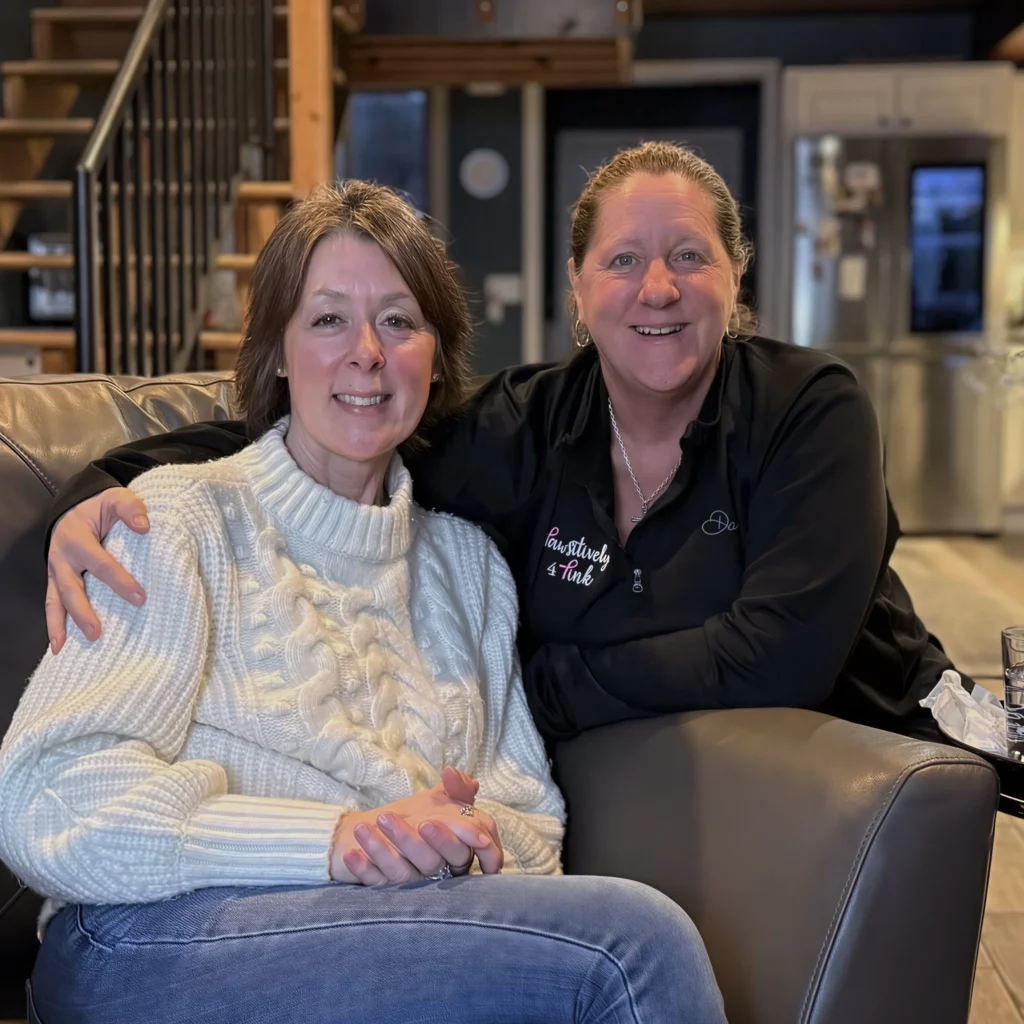
Why Emotional Support Matters More Than People Realize
Support during breast cancer treatment is not just practical. It is emotional. According to the American Cancer Society, emotional support can play a critical role in helping patients manage stress, anxiety, and uncertainty during treatment. Simple acts of compassion can help women feel seen instead of isolated. A phone call. A meal. Sitting quietly together. Helping care for a pet. These moments may seem small, but they create comfort during deeply uncertain times.
How Pawsitively 4 Pink Helps Women Focus on Healing
At Pawsitively 4 Pink, we understand that healing involves more than medical care alone.
Through financial assistance during breast cancer treatment, women receive support for non medical expenses such as rent, transportation, utilities, and pet care. This support helps reduce stress so women can focus on recovery instead of survival.
By addressing both emotional and financial challenges, Pawsitively 4 Pink provides compassionate care that supports the whole person.

Learn more about:
- How financial toxicity affects women during breast cancer treatment
- Thoughtful ways to support breast cancer patients and survivors
What You Can Do Right Now
If someone you love is facing breast cancer, do not wait for the perfect words.
Show up.
Offer practical help. Stay consistent. Let them know they do not have to carry everything alone.
And if you want to help women like Tina receive the support they rarely ask for but deeply need:
👉 Donate today to support women with breast cancer and their pets
👉 Get involved and help provide compassionate breast cancer support
👉 Learn more about Pawsitively 4 Pink’s mission
Because no woman should have to face breast cancer while silently carrying the weight of everything else too.

What No One Tells You About Supporting Someone With Breast Cancer A Practical Guide for Showing Up When It Matters Most
When someone you care about is diagnosed with breast cancer, your first instinct is to help. But then the questions come.
What should I say
What should I do
How do I actually show up without making things harder
Most people want to help. Few people know how. The truth is, support during breast cancer treatment is not about saying the perfect thing or giving the perfect gift. It is about being present in ways that truly make a difference.
Start With Presence Not Perfection
One of the most meaningful things you can offer is simply being there.
You do not need the perfect words. In fact, many women say what matters most is knowing someone is willing to sit with them, listen, and show up consistently.
Support can look like:
- Checking in regularly
- Sitting quietly during difficult moments
- Offering help without waiting to be asked
Sometimes, presence is more powerful than advice.
What Actually Helps During Breast Cancer Treatment
While emotional support matters, practical help can ease the daily burden in ways that truly impact recovery.
During treatment, even basic tasks can feel overwhelming. This is where thoughtful, intentional support becomes essential.
Here are a few ways to make a real difference:
- Helping with errands or transportation to appointments
- Assisting with meals or groceries
- Offering childcare or household support
- Supporting pet care so companions can stay by their side
If you are unsure where to start, our guide on thoughtful gifts for breast cancer patients and survivors shares meaningful ways to provide comfort and care.
Understanding the Hidden Challenges Including Financial Stress
What many people do not realize is that breast cancer brings challenges far beyond medical treatment.
For many women, the biggest stress is not just physical. It is financial.
Rent. Utilities. Transportation. Daily living expenses.
This experience is often called financial toxicity, where the cost of everyday life becomes overwhelming during treatment. You can learn more about this in our recent post on financial challenges during breast cancer treatment and why they matter.
Supporting someone through this reality means recognizing that help is not just emotional. It is practical and often urgent.
Listen More Than You Speak
It is natural to want to offer encouragement or solutions. But sometimes, what someone needs most is to be heard.
Instead of trying to fix the situation, try:
- Asking how they are feeling today
- Letting them share at their own pace
- Avoiding comparisons or quick reassurances
Every experience with breast cancer is different. Listening creates space for honesty and connection.
Support Means Staying Present Over Time
Support is not a one time act. It is ongoing.
In the beginning, many people reach out. Over time, messages slow down. But treatment, recovery, and emotional healing continue long after the initial diagnosis.
Consistent support matters.
A simple message weeks or months later can remind someone they are still seen and supported.
How Pawsitively 4 Pink Helps You Turn Support Into Action
At Pawsitively 4 Pink, we understand that meaningful support includes both emotional care and practical assistance.
Through financial assistance during breast cancer treatment, we help women cover essential needs like rent, transportation, and pet care so they can focus on healing.
When you support Pawsitively 4 Pink, you become part of a community that ensures no woman has to face breast cancer alone.
Showing Up Is the Most Powerful Gift
You do not need to have all the answers.
You do not need to say the perfect thing.
What matters is that you show up with care, consistency, and compassion.
Because in the end, support is not about doing everything right. It is about being there when it matters most.
Take the Next Step
If you are looking for a way to make a meaningful difference:
👉 Donate https://pawsitively4pink.org/our-impact/today to support women with breast cancer and their pets
👉 Learn more about how Pawsitively 4 Pink supports women during treatment