
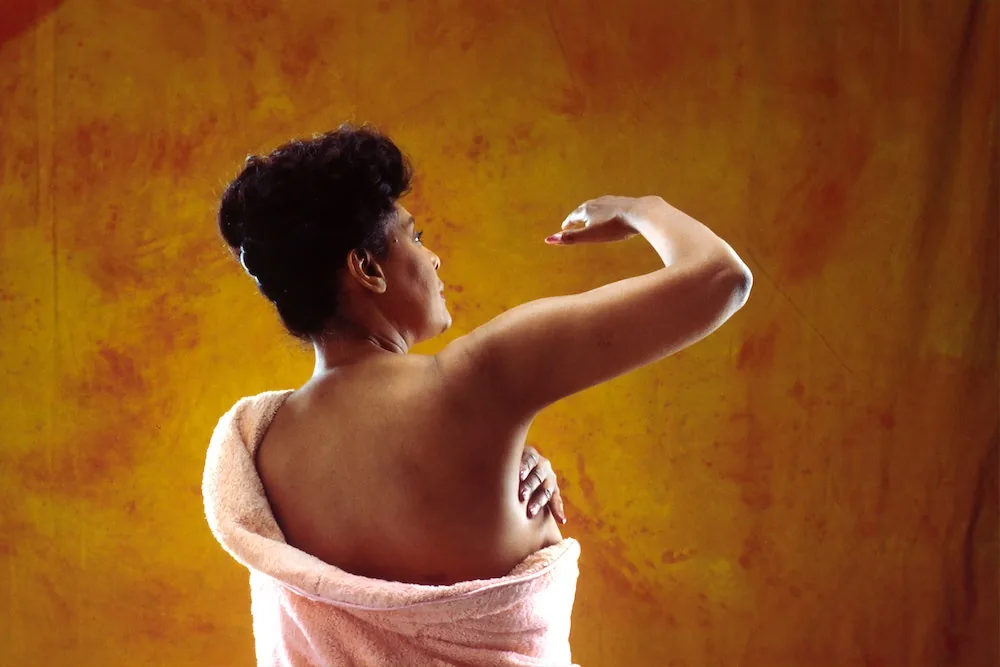
I Found a Lump in My Breast… Now What?
You're in front of your dresser and your hand runs through your chest. You feel something and just to be certain, you touch your breast again and this time, you're sure that you felt a lump. Most women self-examine their breasts and once they find a lump, they freeze. Now the question is, what do you do when this happens?
First and foremost, don't panic. Research shows that 85% of breast lumps are benign, which means they are noncancerous, especially in women who haven't yet hit 40. Women over 40 are normally encouraged to have regular mammograms and if those mammograms always turn negative, the odds are even higher that the lump you felt isn't cancerous.
According to most obstetricians, before a palpable lump appears on a woman's breast, something will already have been detected during a mammogram screening. Despite most women knowing this, the worrying and stress it has not stopped anyone from worrying once they feel a lump. The only way to be sure is to differentiate between a benign lump and a breast cancer lump.
Understanding your breasts
Your breasts consist of fat, blood vessels, nerves, glandular tissue, fibrous connective tissue, ducts, and milk-producing lobules. All these make your breasts quite lumpy. The major difference between a benign lump and a cancerous lump is that a benign one is fluid-filled and rolls between your fingers. A cancerous lump is normally hard and feels stuck in one place.
The other difference has to do with pain. Breast cancer, in most cases, doesn't cause pain. Inflammatory breast cancer is an exception to this, as it comes with symptoms of aching or burning in the breast. Benign conditions might also be accompanied by painful symptoms, but at times, this isn't the case.
The only sure way to know the nature of a breast lump is via medical tests such as a mammogram, fine needle aspiration, or ultrasound. These tests should be done at a medical facility that has all the equipment and with experts who can read the results.
Understanding the tests
What is a mammogram?
An X-ray examination of the breast is referred to as a mammogram. It is a process used to detect breast diseases or any breast problems, such as nipple discharge, lumps, or pain. This procedure enables the detection of benign tumors, cysts, and breast cancers before they can be detected via touch. All women are encouraged to frequently do a mammogram, whether or not they have breast health-related issues.
There are factors or conditions that may affect your mammogram results, such as
- Having had a previous breast surgery
- Hormonal breast changes
- Deodorant, lotions, creams, or talcum powder applied on breasts or under the arms
- Breast implants; these prevent the complete visualization of the breast area, hence hiding tissue
You should inform your medical examiner if any of these apply to you so that they can make the required preparations.
How to prepare yourself for a mammogram
The first thing is scheduling a date for the mammogram. It is advisable to do this two weeks before your period starts because breasts do become tender a week before and during menstruation. Once again, if you have breast implants, please notify the facility when scheduling the exam.
Expectant mothers or those who think they might be pregnant should consult a medical doctor before scheduling a mammogram. Discuss all options with your doctor. If you are breastfeeding, you should mention this to the mammography technician.
Avoid using lotion, perfume, deodorant, or powder on the day of the examination. Note that you'll have to remove clothes from the waist up, so wear something that you can easily get out of. It is also advisable to leave all jewelry and valuables at home. The health care provider or technologist will request other specific preparation based on your medical condition.
What is a fine-needle aspiration or FNA?
There are situations where a mammogram can't prove that a certain body area is cancerous even though there are high chances that it is. In such situations, the tissue will be extracted via a needle for biopsy. The tissue will then be scrutinized under a microscope to determine if it is cancer or not.
FNA is just one of the several breast biopsy procedures as the type of biopsy done depends on the size and location of the breast lump.
How to prepare yourself for a biopsy
The entire procedure should be explained to you by the technologist and you should ask all the questions you might have. A consent form will be provided, but you should go through it carefully before signing anything. Once again, seek clarification on points that you don't understand.
If your breast is numbed using local anesthesia and you are awake, then you don't have much preparation. If general anesthesia will be used to put you into a deep sleep, then you will have to fast before the surgery. Your surgeon will explain everything before the procedure.
Once again, apply nothing to your breast or underarms. Inform your healthcare provider if you suspect you could be pregnant or you are pregnant. You should also inform them of any allergies. Perhaps you could be allergic to latex or anesthesia. You should also let them know if you are on any medication or taking supplements. This is also the time to say if you have a history of bleeding disorders.
Since you will be drowsy and groggy after, ensure that someone is on standby to drive you home.
What is an ultrasound?
When sound waves are used to examine your breasts, we refer to the method as a breast ultrasound. It will help the medical examiner spot any issues and also see how well blood flows to your breast areas. Ultrasounds are normally used when there is a change that fails to show up in a mammogram.
A breast ultrasound is not normally used to detect breast cancer, the reason being that it may fail to detect some early signs. For example, one early cancer sign it might not detect is micro-calcifications, which are small calcium deposits. So in what cases are an ultrasound method used?
- When the breast tissue is really dense and the mammogram cannot see through it.
- When pregnant. Ultrasound doesn't make use of radiation like mammography.
- You are below 25 years of age.
- When there is a need to look at the surrounding lymph nodes. This is essential when removing cyst fluid or guiding a needle during a biopsy.
- The health provider may recommend other reasons.
How to prepare yourself for an ultrasound
Your healthcare service provider should explain the entire procedure to you. Don't be afraid to ask all the questions that you may have. There are situations where you might be given a consent form to sign before the test. It is important that you go through the form carefully and ask for clarification when something is not clear.
There is no need to stop eating or drinking before the test. Just relax and please, don't take any medicine for it. Breathe easy. Once again, avoid putting lotion, deodorant, or any other substances on your breasts that day. You should also wear clothes you can easily take off and that allow the technologist to easily examine your chest area. Some gel will be applied to your skin during the test. Follow any other instructions as required during the test.
Information is power, so when you feel a lump on your breast, seek medical advice as ll breast lumps should be evaluated by a medical professional. Once the cause of the lump is established, treatment can begin. So, finding a lump on your breast is not always a cause for alarm, it is a cause for taking the right action.
If you'd like to help make a difference in the lives of women experiencing breast cancer, you can volunteer with us a Pawsitively 4 Pink or make a small donation.

Staying PAWsitive During a Difficult Time
Tips for Maintaining a Positive Attitude
It's often said that hard times don't last, but the question is, how can you overcome those hard times? How can you get to the place of celebrating your resilience? When the present moment isn't ideal, staying positive during a difficult time isn't easy.
First and foremost, you need to understand that difficult times do occur in life. Once you accept that fact, then you can deal with any situation head-on. If you are having difficulties financially, socially, or in terms of health, here are a few ways to help you stay positive during this difficult time until you reach the finish line.
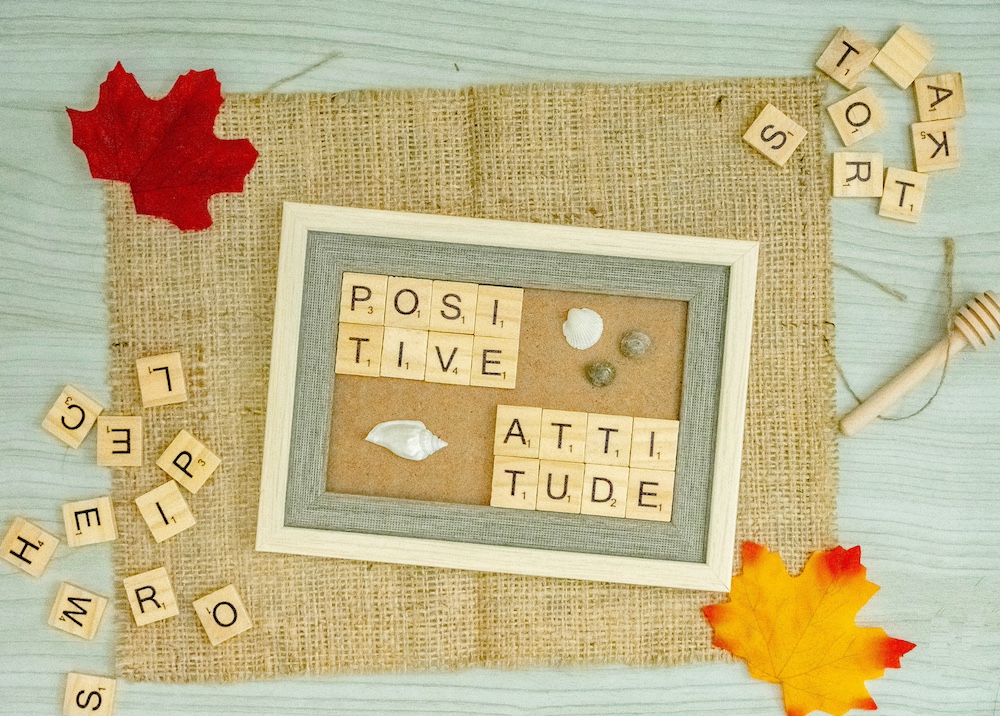
1. Guard your mind
You are what you think. Therefore, you should filter any negative thoughts before they take up residence in your mind. It's true that when something negative occurs in our lives, we are wired to get bombarded with negative thoughts, and unfortunately, this is very normal. But the issue isn't those negative thoughts. The issue is how long you will let them drag you down. Choose to see the positive side of things. See yourself making it. Do not focus on the event, focus on the process of getting out of there. Having a positive mindset can make a world of a difference.
2. Meditate
Different kinds of meditation can help you maintain a positive mindset. One method of meditation is to focus on what improves your attitude, feelings, and healing. You can even create your own personal mantra. Say something positive every morning when you wake up. Think of one thing that you can focus on and think through it with no stress or tension. You can think about your favorite memories and hold on to them. The same energy you use to focus on negative things is the same amount of energy you can use to focus on the positive. Being intentional about the energy you create around yourself is essential to staying positive. Focusing on the positive is energy conservation and can drastically improve your mental health.

3. Keep a gratitude journal
Gratitude is the antidote to a poor attitude. The best way to continually express your gratitude is by keeping a journal. Be mindful about being grateful and find something to be thankful for each day. This way, you will give less power to negative emotions. Your mind will be programmed to think on the positive side of things. Your self-esteem will improve and instead of resenting your difficult situation, you will be thankful for something. Spending some time writing down your thoughts before you go to bed will also help you sleep better as your mind will be clear of any clutter.
4. Listen to some good music
Difficult times should not stop you from enjoying the best or your favorite things in life. Music is one of these things and all you need to do is tune in to your favorite radio station or open up that Spotify playlist. Music helps you express your feelings unashamedly. According to research, music can evoke a more positive mood. You can roar like a tiger with Katy Perry or become a survivor with Diana Ross. And if a sad song comes on air? Go through the motions, cry all the tears you want, and clear your system. After that, hold your head up high, stay positive, and keep going, because you got this.
5. Spend time with loved ones
You are the average sum of the people who you spend the most time with. So, invest your time appropriately. Think of those friends and family members who make you smile when you are feeling down. These people could be anywhere in the world, but they want to be around you. This is the support system you need since you can be your genuine self around them. Share with them, talk with them, rant, or even be silent with them. These are friends who inspire you to be courageous and spending time with such people improves your attitude and positive outlook on life. Your mind will absorb all this positivity and use it as an immune booster. Plus, such close friends are also good at ensuring you take care of yourself, even during the hardest times when you don't feel like it.
6. Enjoy more of the sun
It's a well-known fact that spending too much time in the sun is dangerous. However, there is also evidence that spending moderate time under the sun is good for your mood and body clock. Apply that SPF and enjoy some time soaking in the rays and getting some Vitamin D. This will not only help you sleep better and improve your circadian rhythm, but it will also cheer you up. It's been proven that getting sun increases your serotonin which helps with anxiety and depression. Next time you have a few minutes, go for a walk, plan a picnic, or sit in the garden to help improve your mood and positive thinking.

7. Take a walk with your PAWsitive friend
Why not get fit and have fun while doing it? Daily walks with your dog (or cat, if they want) are a great way to take your mind off things. Going on regular walks with your dog is a form of exercise that will not only benefit your physical health like your joints and muscles but will help you get your mind off things. Be present and take in the sights and sounds. Simply establish a routine to make it part of your daily life. At times you may not feel like going for a walk, but whether it's with the help of your dog with those puppy eyes or a glance at your daily agenda, remind yourself that a little exercise and some pet therapy can do you some good.
8. Do something nice for others
Do something for someone when they least expect it. Say a kind word or offer them some tea or baked treats. Putting a smile on someone's face makes us feel alive and of course, makes us happier too. You get to feel that you are of value. Being kind to others creates a feeling of purpose and eliminates isolation. By doing this you will have a different perspective on life. Instead of focusing on your difficulty, you will focus on how to make the world a better place.
Always remember that you will always win with a positive attitude. This is what will change your will and let you blossom. Positive energy and thinking will help you overcome whatever difficulties come your way. Smile, laugh, cry but through it, all, remain strong because there is always sunshine after the rain.
If you want to help the women in our community stay PAWsitive in the face of breast cancer, make sure to check out our volunteer opportunities and, if you can, donate to our cause. We appreciate every single one of your kind gestures!
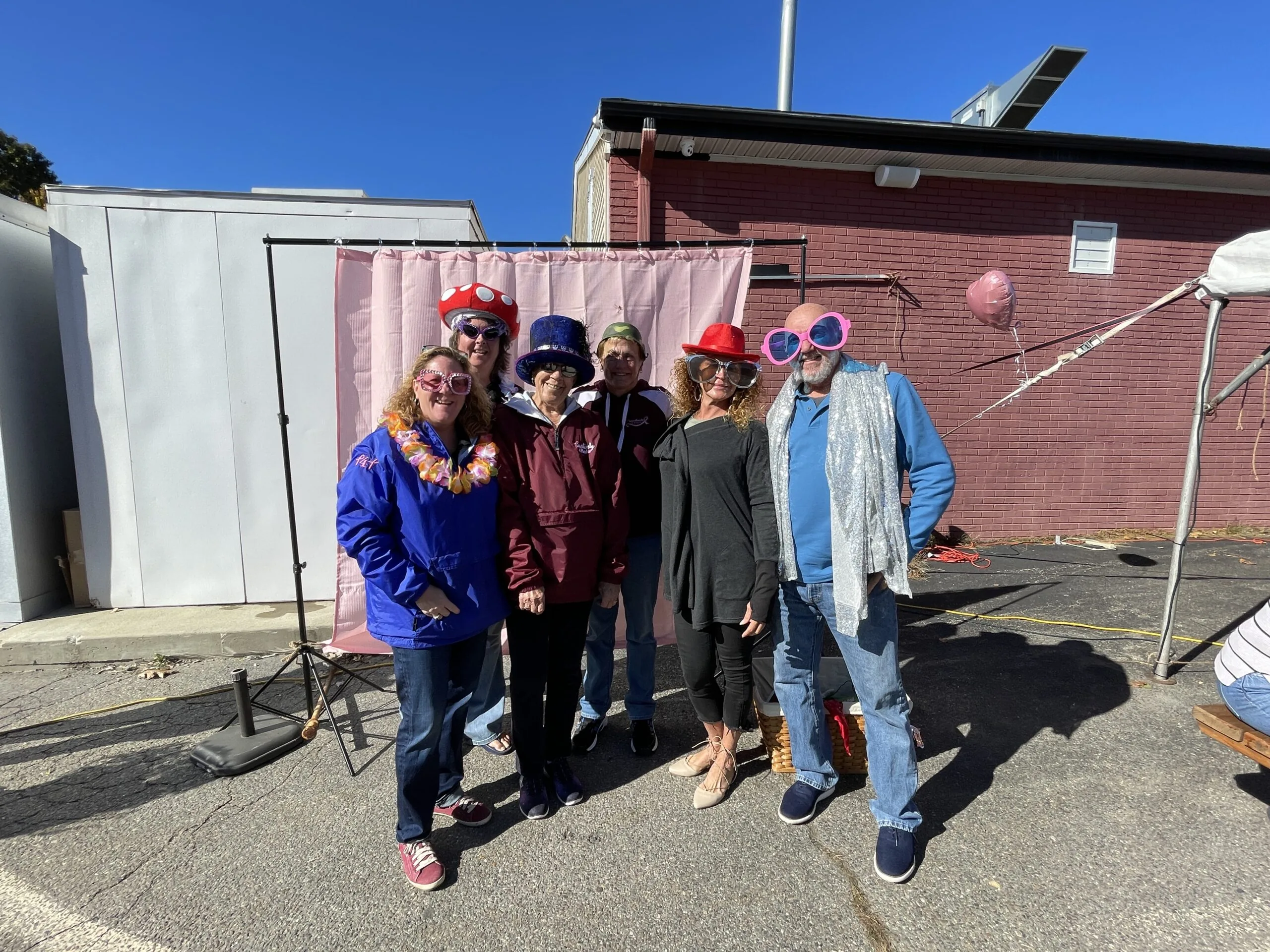
The Power Behind Pawsitively 4 Pink
An Interview with Michelle Power, the leader of Pawsitively 4 Pink
Pawsitively 4 Pink is a non-profit organization that helps low-income and under-served women who have been diagnosed with breast cancer. Pawsitively 4 Pink aims to alleviate the financial obstacles that women face through their battle with cancer. In 2021, the organization helped ten women with grants ranging from $500 to $1,800 each month depending on the woman's needs.
What makes this organization so special is that P4P continues to help women up to 6 months after their treatment. The organization was founded in 2018 by an impressive and passionate leader that pours her heart into everything she does while steering this organization and changing the world one day at a time. So, who is she? We sat down to chat with the Power behind Pawsitiviely 4 Pink, the incredible Michelle Power.

What inspired you to start P4P?
My mother and all of the enormously strong women around me who led a battle against terminal illnesses. The battle against illnesses like breast cancer is extremely tiring on every level. Having witnessed their struggle, including both their physical pain and their fear of not being able to fulfill financial responsibilities and obligations, inspired me to create a means of making life easier. This is when Pawsitively 4 Pink came to life. I started Pawsitively 4 Pink to give back to a community that I, myself, grew up in and to impact the lives of these amazing women who are already physically, mentally, and emotionally processing their diagnosis of breast cancer and should not have to worry about their basic needs.
What motivates you to keep on going? How do you push through hard times?
The answer is simple. This organization thrives on the idea of helping women with breast cancer, and they have become our biggest motivator. Personally speaking, these strong women never fail to motivate me. Being able to meet them at least once during their time of diagnosis and staying in touch with them throughout their treatment has enabled me to see our impact. Hearing that the support we give them is life-altering warms my heart and provides me with the energy needed to do the job.
Hard times are inevitable, and coming from a lower socio-economic class, I have personally learned how to push through hard times. The shame and embarrassment of not being able to afford even the basics push me so that no other woman has to experience those feelings. Especially, when they did nothing to cause their diagnosis.

What are the mistakes you've learned during this journey?
I have learned so many lessons since starting down this journey known as Pawsitively 4 Pink. Two lessons stand out the most. One is that you have to believe in yourself and the other is to not take things personally. I have heard "no" countless times. Rejection can be hard to accept. Honestly, it took me four years to reach a point where the response wasn't as important as the request. Everything is worth the ask! The reasons a business or individual says "no" are endless, and 99% of the time have nothing to do with the person who asks. So, now I just ask.
What are your habits for success?
For me, success has come from purpose, passion, and persistence. I am one of the most persistent women that you will meet. If I don't know something, I will research, research, research. When people say that I can't, it pushes me even harder to learn more and find a way to make Pawsitively 4 Pink the business that I want it to be. One habit that always proves to be most helpful but not always the easiest for me, is having faith that everything turns out the way it's supposed to.
What is the best piece of advice you can give?
Allow yourself to be vulnerable. That vulnerability is going to enhance any relationship and those relationships are going to help you flourish. They are going to bring you to places that you otherwise wouldn't go.

What is a personality trait you believe that every leader should have?
This is definitely a question that I can't answer generally, but personally speaking, authenticity and integrity are what makes me a good leader. I think it's really important to establish genuine and good relationships with people. Relationships are the meaning of life and are essential in business. Integrity is equally important. A person's word is everything. There are times you might promise something and then not be able to deliver on that promise, that's normal, the important thing is, to be honest about it. It's okay to say "listen I just can't do it" and let the other person know that you've tried your absolute best to achieve what you promised. This will only foster your relationships.
 What's your proudest moment in P4P?
My proudest moment is abstract. The success that we have had in just a few short years is very satisfying but knowing that my mother is looking down on me with a smile on her face and saying "that's my girl" is the best thing that I could ever ask for.
Finally, we would like to thank Michelle for sharing her heart with us during this interview and for all the wonderful efforts that she keeps on putting in. The success of this organization lies in a wonderful leader and generous people like yourself. Thank you for reading this and for being interested in this incredible journey.
Pawsitivetly 4 Pink is making the lives of underserved women with breast cancer easier every day. The impact that this organization is having is incredible and it's only possible through your donations. There are several ways for you to get involved with Pawsitively 4 Pink. Your support, in any possible way, is always much needed and appreciated. Be part of our amazing journey.

How to Be There for a Loved One With Breast Cancer
Introduction
When someone you know is diagnosed, the first question is usually how to be there for a loved one with breast cancer. It can be hard to believe that this has happened since it’s not something that most people expect or plan to happen.
Breast cancer comes without warning, and it varies widely in how it impacts each individual diagnosed. However, if you think your reaction is sudden and shocking to hear that a loved one has been diagnosed, think about how they are feeling.
This article will encourage you to shift your perspective and motives to educate yourself on being there for a loved one with breast cancer. Although the diagnosis will affect you, it’s important to think about your loved one’s needs and how you can be your best for them.

The Power of Listening
One of the best things you can do for a loved one is to be there for them and approach every conversation with open ears. Just being there and listening can make all the difference.
Many people feel isolated and scared after their diagnosis. They may feel confused and afraid to express what they are truly feeling and going through. By going into every conversation with open ears, you are fostering an environment that is safe for them to express themselves and put their trust in you.
Even if you don’t completely understand what they are trying to express or explain, it’s important to listen and validate their experiences. For example, if your loved one is saying that she doesn’t know how her spouse or children will handle this news, let her know you see where she is coming from and validate her experience. It is scary, and try to assure her she and her doctors will do everything they can to fight this thing.
A general rule of thumb is to listen first, talk second. This leads us to our next point…
Only Give Advice When Asked
Along with entering each conversation with open ears, try to have an open mind, heart, and perspective as well. Don’t be so quick to give advice unless asked. Though your intentions may be good, it’s important to understand that not everyone wants or needs advice.
Your loved one may be in the early stages of their diagnosis and not have any idea what to do next. In this case, they will likely want and need your help figuring out their options. However, if they are farther along in their cancer journey, they may not want or need any advice, just love, and support.
The keywords here are “when asked.” It’s okay to share your perspective and experiences as they relate to the diagnosis, but wait for your loved one to ask for help or at least express that they want it. This will help to avoid any tension or feelings of being overwhelmed on their part.
Of course, you want to support your loved one in any way you can. Do your research… but don’t overdo it. Instead, do something tangible like dropping off a meal or picking up their child for school. This is where you will really be needed.
Support Your Loved One’s Treatment Decisions
One of the most important things you can do as a supporter is to support your loved one’s treatment decisions. This includes everything from surgery to different therapies.
It can be difficult to make these decisions, and it’s perfectly understandable for you to have mixed feelings about them. However, it’s important that you do not voice unsolicited opinions unless you are asked for your opinion or advice.
You have to remember your loved one is going through the recovery process more than once. The treatment itself is one version of pain they have to go through, but they also have to go through it before the treatment itself, as well as after when they are waiting in remission.
Every time they have to weigh all their options, go over the timetable of the procedure or talk to their doctors, they are going through the process all over again.
So, try to support them throughout it all. Their lives have been turned upside down, and the last thing they need is judgment from the people they love. Understand that you would maybe not make the same decisions as your loved one, but that does not mean they have not chosen the best option for them.

Check-In Regularly, Not Just When Asked for
One of the most important responsibilities you have is to check in with your loved one. On a regular basis. This can be done via phone calls, text messages, cards, visits anything that helps them know they are on your mind.
Doing this will let them know they are not alone during their recovery process. Many patients feel that their loved ones don’t check in beyond the initial diagnosis. This leaves them feeling alone and isolated. The hardest time for those with a cancer diagnosis is actually in the months following when the initial shock has worn off, and their loved ones get back to their daily lives.
So, make sure you are checking in regularly to offer comfort and support. Moreover, your loved one may need this more often if their treatment is causing significant side effects or making them feel ill for an extended period of time.
Doing a service or an act of love at least once a week can provide quick reassurance that things are okay and they are not forgotten. So reach out to them. As much as you can.

Educate Yourself
Lastly, but equally important, educate yourself on your loved one’s treatment. If you are like most people, cancer didn’t cross your mind much before your loved one was diagnosed.
So, take the time to learn about their type of cancer, the various treatments, what to expect during and after treatment, and so on. The more you know, the better equipped you’ll be to support your loved one emotionally and practically.
This includes being there for them when they have appointments, being able to answer any questions they may have, and just being a listening ear.
If you can be there and sit in on doctor’s visits and take notes for your loved one, this would be a fantastic way to offer support. Not only will you be helping them, but you will gain a better understanding for yourself as well.
 Conclusion
There is no best way to support a loved one with cancer. However, there are many things you can do (or not do) that will help your loved one feel less alone and more supported throughout their journey.
When offering to be there for them, it’s important to remember they may need different types of support at various times. So, be sure to communicate with them and ask what they need from you specifically.
Most importantly, be there for them in whatever way possible and let them know you love them. Even if it gets difficult at times, just know your support goes a long way. If you or a loved one need another person in your support group, any aid in the breast cancer journey, or you would like to give something to help those with breast cancer, feel free to head over to Pawsitively 4 Pink. We have been able to help many women through their breast cancer journey through generous donations from our community. We are here for your loved one too.