

Paws and Poses: Gentle Yoga You Can Do With Your Fur Baby
Paws and Poses: Gentle Yoga You Can Do With Your Fur Baby

Why Yoga With Your Pet?
If you’ve ever rolled out a yoga mat, you know how quickly your furry friend wants to join in. From curious sniffs to tail-wagging encouragement, your pet’s presence can make your wellness routine even more uplifting.
Pet yoga (sometimes called doga) blends gentle stretches, mindful breathing, and the companionship of your four-legged best friend. It’s not about nailing perfect poses; it’s about connection, joy, and a little laughter along the way.
Gentle yoga can be a powerful tool in easing some of the common side effects that come with a breast cancer journey. Fatigue, for example, often lingers long after treatment, and while rest is important, mindful movement can be just as restorative. Flowing through slow, intentional poses in rhythm with your breath helps awaken the body, boost energy, and lift your mood.
Preparing for a Fur-Friendly Yoga Session
Before you start, make sure you and your pet have a calm, safe space.
- Choose a quiet area with minimal distractions.
- Use a sturdy mat for traction (for both paws and bare feet).
- Have water handy, as stretching is thirsty work for humans and pets.
If your pet isn’t used to yoga time, start slow. Encourage them to join you without forcing participation; sometimes they’ll nap next to you, other times they’ll join in the fun.
If you and your furry friend are new to pet yoga, we recommend exploring this YouTube series for a fun and gentle introduction.
5 Gentle Yoga Poses You Can Do With Your Pet
These beginner-friendly moves can help you both relax and bond.
1. Heart-Opening Seated Pose
Sit cross-legged with your pet in your lap or beside you. Place one hand over your heart and the other gently on your pet. Breathe deeply, focusing on gratitude.
2. Supported Child’s Pose
Kneel on the mat, hips over heels, and fold forward. Let your pet snuggle under you or rest their head on your arms.
3. Cat-Cow Flow
On hands and knees, alternate arching and rounding your back. Your cat might join in naturally, dogs may just enjoy watching!
4. Downward Dog
From hands and knees, lift your hips high into an inverted V-shape. Encourage your pup to “stretch” alongside you.
5. Savasana With Snuggles
Lie flat on your back, arms relaxed, and invite your pet to cuddle on your chest or beside you for a peaceful finish.
For a deeper dive into yoga form and modifications, check out this beginner’s yoga guide from Yoga Journal.
Benefits for Both You and Your Fur Baby
- Stress relief: Petting your companion while stretching can lower cortisol and boost oxytocin levels.
- Gentle exercise: Keeps you both moving without high-impact strain.
- Bond building: Quality time strengthens trust and affection.
- Mental wellness: The mix of mindful breathing, movement, and animal companionship supports emotional health.
Discover several other ways to lower your risk of Breast Cancer.
The Pink Paws Project: Comfort Dogs for Families Affected by Breast Cancer
At Pawsitively 4 Pink, we believe healing comes in many forms, sometimes on four paws with a wagging tail. That’s why, in partnership with Emily’s Interiors, we have The Pink Paws Project, a heartwarming program that places specially selected comfort dogs with families affected by breast cancer.
These incredible dogs aren’t just companions; they’re trained to provide emotional support, a calming presence, and unconditional love during some of life’s most challenging moments.
Thanks to the generous sponsorship of Emily’s Interiors, each dog receives thorough placement and training, while Pawsitively 4 Pink ensures families have ongoing resources, community connections, and volunteer support.
If you or someone you love could benefit from a comfort dog, we invite you to apply.

7 Exercises to Regain Mobility After Breast Cancer Surgery
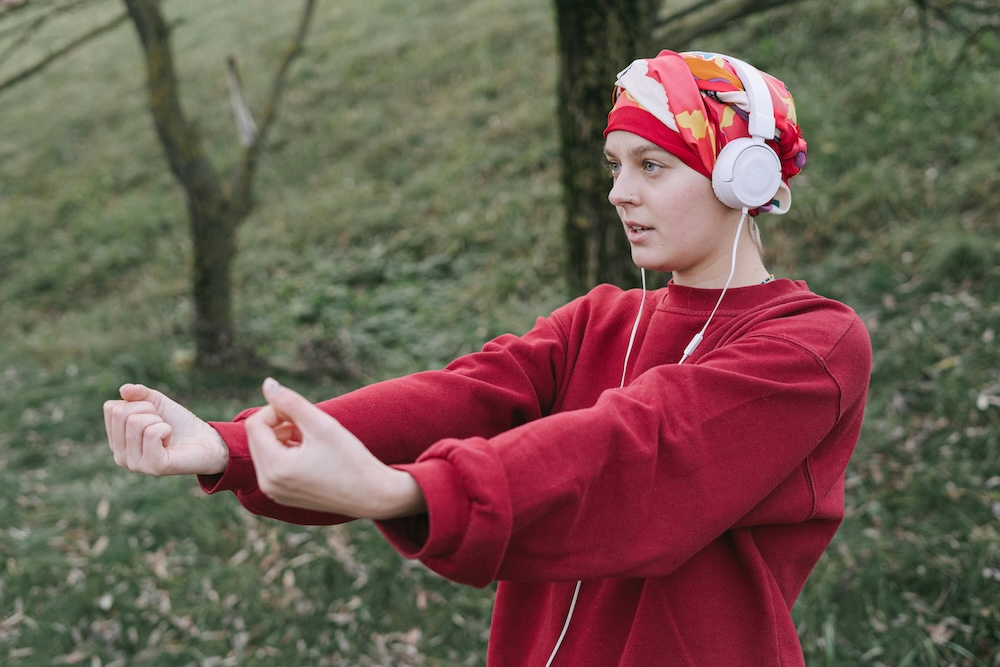 Recovering from breast cancer surgery involves not just physical healing but reclaiming mobility, strength, and confidence in your body. Whether you’ve undergone a lumpectomy, mastectomy, or lymph node removal, gentle, targeted exercises can help you restore movement in your chest, shoulders, and arms while promoting overall well-being. Before starting any new routine, always consult your healthcare team to ensure it’s safe and appropriate for your recovery stage.
Remember: start slowly and progress mindfully. Healing after breast cancer surgery is not a race—it’s a journey. Your body has been through a lot, and it’s essential to treat it with patience and care. The following exercises are designed to ease stiffness, improve range of motion, and build strength gradually. Begin with slow, mindful movements, stopping if you feel pain. Consistency is key, so small, gentle efforts over time can lead to significant improvement.
1. Shoulder Rolls
After surgery, tension often builds in the shoulder and neck area. This simple exercise encourages blood flow and reduces tightness. Sit or stand in a comfortable, upright position. Slowly roll your shoulders forward in a circular motion, keeping your arms relaxed at your sides. Complete 5–10 gentle rolls, then reverse direction and roll your shoulders backward. Focus on deep, even breathing as you move. This exercise will help loosen any stiffness or tension in your shoulders.
2. Wand Exercise (Overhead Stretch)
Lie on your back or sit upright with both hands holding a light stick, such as a broom handle or dowel. With your palms facing up, slowly raise the wand above your head as far as is comfortable. Then, hold the stretch for 5–10 seconds, then lower back down. Repeat 5–10 times to improve your shoulder mobility and range of motion.
Tip: Start with small movements if you’re unable to lift your arms fully, gradually increasing your range over time.
3. Wall Climbing
Wall climbing is a great controlled stretch that allows you to monitor your comfort level. Stand facing a wall. Place your fingertips on the wall at shoulder height. Slowly “walk” your fingers upward, letting your arm extend as high as comfortably possible. Hold for a few breaths, then “walk” your fingers back down. Repeat 5–7 times per arm to gently stretch and strengthen your arms and shoulders.
4. Pendulum Stretch
Stand next to a sturdy table or chair for support. Lean forward slightly, letting your affected arm hang down. Slowly swing your arm forward and backward, then side to side, like a pendulum. Perform for 30 seconds to 1 minute to ease shoulder stiffness and gently loosen tight muscles.
Tip: Keep movements small and controlled, using gravity to guide the motion.
5. Shoulder Blade Squeezes
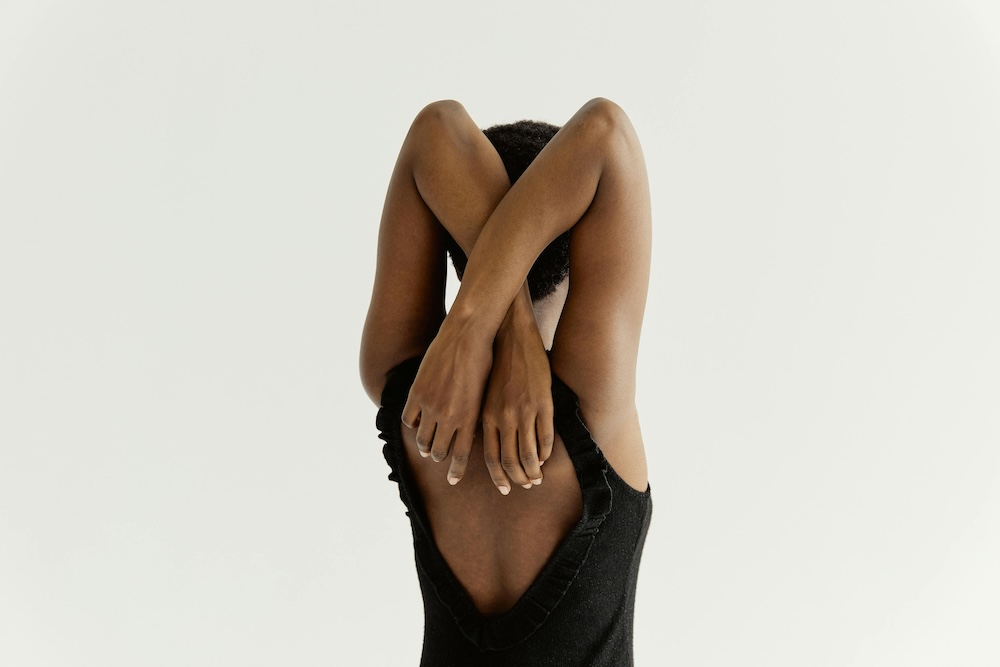 Surgery can impact posture, but strengthening the muscles that support your back promotes better alignment. Sit or stand with your arms relaxed at your sides. Gently squeeze your shoulder blades together as though you’re trying to hold a pencil between them. Hold the squeeze for 5 seconds, then release. Repeat 10–15 times to strengthen the upper back and support your posture.
6. Chest Stretch
Stand in a doorway with your forearms resting against the doorframe at shoulder height. Step one foot forward gently, allowing your chest to stretch as you lean into the doorway. Hold the position for 10–15 seconds, then step back. Repeat 2–3 times to stretch out your tight muscles and improve shoulder flexibility.
Tip: Move slowly and avoid overstretching—this should feel relieving, not painful.
7. Arm Lifts (Lymphatic Support)
This stretch supports lymphatic circulation, which is particularly beneficial if lymph nodes have been removed. Lie on your back with your arms resting at your sides. Slowly lift one arm straight up toward the ceiling, then lower it back down. Alternate arms, performing 5–10 gentle lifts per side. Focus on breathing deeply with each movement to help gently increase your mobility while promoting lymphatic flow.
The Power of Gentle Movement
 Regaining mobility after breast cancer surgery can feel like reclaiming a piece of yourself. These small, intentional exercises promote healing and remind you of your body’s capacity to rebuild. Approach the process with kindness, celebrating every milestone—no matter how small.
Remember to listen to your body. Recovery can look different for everyone. If you feel sharp pain or significant discomfort while performing any of these exercises, stop immediately and consult your healthcare provider. It’s normal to encounter mild tightness, but exercises should not push you beyond a comfortable stretch.
You’re not alone on this journey—every effort you make is a testament to your strength and resilience. If you’re looking for additional support during your recovery, apply for assistance through our program.
Together, we can help ease the challenges of recovery and inspire others to reclaim their mobility and confidence. Consider supporting this mission today by donating to help more survivors thrive.

5 Ways to Get Back to Your Routine After Battling Breast Cancer
5 Ways to Get Back to Your Routine After Beating Breast Cancer
Overcoming breast cancer is a life-changing experience, one that shows the remarkable strength and resilience you carry. Yet, as you come out from treatment, stepping back into “daily life” can feel unfamiliar. Life after breast cancer isn’t about simply returning to who you were before—it’s about discovering a new path forward that honors your journey, embraces your growth, and supports your well-being.
Here are five ways to ease back into your routine and rediscover a fulfilling life after breast cancer.
1. Give Yourself Grace
It’s natural to want to return to normalcy as quickly as possible, but recovery is a process, not a switch you flip. Your body and mind have been through an extraordinary challenge, and it’s important to acknowledge that healing doesn’t happen overnight. Take things one day at a time, and allow yourself to feel whatever emotions come up—whether joy, frustration, or fatigue.
This is a time to listen to your body and respect its needs. Rest when you feel tired, and don’t push yourself to do more than feels comfortable. Small steps, like enjoying a short walk or preparing a meal, are meaningful milestones. By moving at your own pace, you create space for sustainable progress.
2. Focus on Your Physical Well-Being
Rebuilding your physical strength is an essential part of finding your footing after treatment. Gentle movement, like walking, stretching, or practicing yoga, can help you regain energy while supporting overall wellness. If you’re unsure where to start, a physical therapist or fitness professional familiar with post-cancer recovery can guide you safely.
Fueling your body with healthy, balanced meals is equally important. Incorporate fresh fruits and vegetables, whole grains, and lean proteins into your diet to support healing. Stay hydrated and avoid super restrictive diets—this isn’t about perfection but creating a foundation for strength.
It’s also important to keep up with your follow-up care. Regular check-ups with your medical team will help you stay on track and address any lingering concerns. Knowing you’re monitored and supported can offer peace of mind as you move forward.
3. Reconnect with Your Emotions
The emotional journey of life after breast cancer can be just as significant as the physical one. It’s normal to experience a wide range of feelings, from relief and gratitude to anxiety and sadness. These emotions are valid and part of coming to terms with what you’ve been through.
Talking to a therapist or counselor who specializes in cancer recovery can provide a safe space to explore your thoughts and feelings. Support groups, whether in-person or online, offer an opportunity to connect with others who understand your experience. Sometimes, simply knowing you’re not alone can be very comforting.
Mindfulness practices, like meditation, journaling, or breathing exercises, can also help you stay present and centered. Taking even a few moments each day to reflect or find calm can go a long way in supporting emotional resilience.
4. Embrace What Matters Most
Life after breast cancer often brings a new perspective. You may find yourself rethinking priorities or focusing more on what truly brings you joy and meaning. This is a chance to explore those changes and align your life with the values and experiences that matter most.
Spend time with loved ones, try new hobbies that spark creativity, or consider taking on new challenges that excite you. Whether it’s as simple as gardening or as ambitious as learning a new skill, these pursuits can provide a sense of purpose and fulfillment.
It’s also okay if your goals look different than they did before. This isn’t about “getting back to normal” but creating a life that feels authentic and rewarding for where you are now.
5. Ease Back into Your Routine
Returning to the responsibilities of work, family, and social life can feel overwhelming at first. Take it one step at a time, allowing flexibility as you find your new rhythm. Communicate openly with those around you—friends, family, and coworkers—so they can understand your needs and offer support when necessary.
Remember, it’s okay to say no or take breaks when you need them. Prioritizing your well-being is not selfish; it’s essential. Over time, as you find your footing, the pieces of your routine will come together in a way that works for you.
Moving Forward
Life after breast cancer is not about erasing the past but about building a future that reflects your strength, resilience, and growth. The road ahead may have its ups and downs, but with patience, self-compassion, and a focus on what truly matters, you can create a life filled with hope, joy, and meaning.
You’ve already overcome so much. Trust in your ability to keep moving forward, one step at a time. Each day is a new opportunity to reclaim your routine and embrace the possibilities of this next chapter. At Pawisitively for Pink, we dedicate ourselves to helping women like you find a sense of community. If you are interested in learning more, check out our website. If you’re looking for ways to give and support, consider attending one of our events and finding a community or donating to our cause.