

Thoughtful Holiday Gifts for Breast Cancer Patients & Survivors
The holiday season is a time for joy, connection, and reflection. But for those facing a breast cancer diagnosis, this time of year can bring added challenges and emotional complexities. If someone you care about is navigating breast cancer treatment or recovery, offering your love and support is more important than ever. Thoughtful gifts can be a tangible expression of your care, providing comfort, inspiration, and practical assistance during this challenging time.
1. Cozy and Soothing Gifts
As the days grow shorter and the weather turns colder, consider gifts that offer warmth and coziness. A soft blanket with a festive pattern or a luxurious robe can provide comfort during treatment sessions or quiet evenings at home. Soothing spa items, such as aromatherapy candles with holiday scents like cinnamon or pine, can create a relaxing atmosphere and promote stress relief. Don't forget the simple pleasures: a comforting mug filled with gourmet hot chocolate mix or a gift basket of holiday-themed treats can bring a touch of sweetness and warmth to their day.
2. Personalized Care Package
Beyond physical comforts, it's essential to nurture the spirit during this challenging time. Inspirational books or journals can offer stories of hope, courage, and resilience, providing comfort and encouragement. A beautiful piece of jewelry with a motivational inscription or a symbol of strength can serve as a daily reminder of their inner power. A personalized care package filled with their favorite things – cozy socks, comforting teas, uplifting books, and small tokens of affection – shows that you're thinking of them and their unique needs.
3. Gifts of Practical Support
The holiday season often brings added responsibilities and expectations. For someone undergoing cancer treatment, these tasks can feel overwhelming. Consider gifts that offer practical assistance, such as gift certificates for food delivery services or cleaning services, allowing them to conserve their energy and focus on healing. If they are experiencing hair loss, soft and stylish headscarves, hats, or turbans in festive colors or patterns can be a thoughtful and practical gift. Comfortable pillows can aid in restful sleep, which is crucial for recovery and well-being.
4. A Donation
This holiday season, consider making a donation to a breast cancer charity in your loved one's name. Pawsitively 4 Pink, for example, can provide financial assistance to breast cancer patients in need, helping to cover expenses like rent, utilities, and transportation. This gesture not only demonstrates your support for their fight but also contributes to a meaningful cause that directly helps others facing similar challenges. You can learn more here.
5. Your Presence and Support
While physical gifts can offer comfort and support, remember that the most valuable gift you can offer is your presence, love, and support. Be there to listen, offer a helping hand when needed, and simply be present during this journey. The holidays can be a time for creating meaningful memories and traditions. Consider gifting experiences that encourage quality time together, such as movie night baskets, board games, or tickets to a holiday concert. These shared moments can foster a sense of joy and connection.
Navigating the Holidays with Sensitivity and Grace
It's important to acknowledge that the holidays might feel different after a breast cancer diagnosis. Encourage open communication about their needs and preferences, and be mindful of their energy levels and emotional well-being. Help them to prioritize self-care and to find moments of peace and joy.
This holiday season, let your loved ones know that you are there for them, offering your love, support, and presence. Your compassion and understanding will be the most cherished gift of all.
If you’re looking for ways to give and support, consider attending one of our events or making a donation.

4 Effective Oils And Salves To Heal Breast Cancer Scars
Breast cancer scars can have a significant impact on a person's physical and emotional well-being. If you're looking for effective ways to heal and promote a healthy recovery, you're in the right place. In this guide, we'll explore the power of natural oils and salves in reducing the appearance of breast cancer scars and aiding in the healing process.

With their nourishing and rejuvenating properties, certain oils and salves offer remarkable benefits for scar healing. From lavender to calendula, these natural remedies have been used for centuries to promote skin regeneration and reduce inflammation. By incorporating them into your post-surgery care routine, you can help accelerate the healing process, minimize discomfort, and reduce the visibility of your scars.
The Importance Of Taking Care Of Breast Cancer Scars
Breast cancer treatment often involves surgeries that can leave behind significant scars. These scars can be a constant reminder of the battle faced, affecting not only physical appearance but also emotional health. Healing breast cancer scars is essential for restoring self-esteem and promoting a sense of normalcy after treatment, as well as avoiding infections and badly healed skin.
 When a person undergoes surgery, the body's natural response is to heal, which can lead to scar formation due to the tissue repair process. Scars may vary in appearance, from raised and red to flat and pale, depending on individual healing responses and the surgery faced. Addressing these scars is more than just about aesthetics, and healing them can become a healthy coping mechanism.
Incorporating natural oils and salves into a post-surgical care routine can significantly aid in minimizing scar formation. These remedies often contain properties that promote healing, reduce inflammation, and improve skin elasticity.
Healing Breast Cancer Scars With Calendula
Calendula, commonly known as marigold, is renowned for its potent healing properties. This vibrant flower has been used for centuries in traditional medicine to aid in wound healing and skin repair. Its anti-inflammatory, antioxidant, and antimicrobial properties make it an excellent choice for treating breast cancer scars. Calendula can help soothe irritated skin, reduce redness, and promote the regeneration of healthy skin cells, making it ideal for post-surgical care.
One of the primary benefits of calendula is its ability to enhance the skin's natural healing process. When applied to scars, calendula penetrates deep into the skin, stimulating blood circulation and promoting tissue regeneration. This enhanced blood flow aids in the delivery of essential nutrients to the affected area, which is crucial for effective healing. Over time, regular application of calendula can help to soften and flatten scars, reducing their visibility and improving overall skin texture.

To incorporate calendula into your scar care routine, you can choose either an ointment or an oil. Apply a small quantity of your calendula-based product directly on your clean and dry scars, and delicately massage it for a few minutes or until it's absorbed. Do this daily and you will see results within a month!
Rosehip Seed Oil For Breast Cancer Scars
Rosehip seed oil is a popular choice when it comes to scar healing and skin rejuvenation, especially for surgical scars. Extracted from the seeds of the wild rose, this oil is rich in essential fatty acids, vitamins, and antioxidants. Its ability to penetrate deep into the skin allows it to nourish and repair damaged tissues effectively. For those recovering from breast cancer surgery, rosehip seed oil can be an amazing addition to their healing routine.

The high concentration of vitamin A in rosehip seed oil is particularly beneficial for scar healing. This vitamin promotes cellular turnover, helping to fade scars and improve skin texture. Regular application can lead to a noticeable reduction in the appearance of scars, making them less prominent over time. Additionally, the oil is rich in linoleic acid, which aids in maintaining skin barrier function, ensuring that the skin remains hydrated. Another important benefit of rosehip seed oil is its anti-inflammatory properties, a nice-to-have addition to the healing process.
Use the oil twice every day for six weeks to start seeing results, but don't use this oil if you have anemia, diabetes, or kidney stones, as some of this oil's properties might interfere negatively with your condition.
Almond Oil: A Well-known Ally Against Breast Cancer Scars
Almond oil, derived from the nuts of the almond tree, is another excellent option for healing breast cancer scars. This oil is known for its emollient properties, making it effective in softening and moisturizing the skin. Almond oil is rich in vitamins E and A, which are famously great at nourishing the skin, promoting elasticity, and minimizing the appearance of scars.
 The emollient nature of almond oil allows it to create a protective barrier on the skin, which helps to lock in moisture and prevent dryness. Keeping the skin well-hydrated is crucial for scar healing, as dry skin can lead to increased tension and irritation around the scar area. Almond oil also contains anti-inflammatory properties that can soothe irritated skin.
Make sure you choose high-quality, cold-pressed almond oil to ensure that you are receiving all the beneficial nutrients without any harmful additives. Add almond oil to your post-surgery care routine by delicately massaging your scars with a small quantity of oil every day.
Lavender Oil: Skincare And Aromatherapy
Aside from its great fragrance, lavender oil is both calming for the mind and incredibly beneficial for skin health. With its antioxidant, anti-inflammatory, and antiseptic properties, lavender oil proves a versatile remedy for various skin concerns, including breast cancer scars.

The calming nature of lavender oil can help reduce stress and anxiety, which are often heightened during the recovery process. Stress can negatively impact the healing process, and using lavender oil for treating scars will also make for a great aromatherapy session. In addition to its calming effects, lavender oil promotes blood circulation, which is essential for delivering nutrients to the skin and facilitating the healing of scar tissue. What's more, its antiseptic properties can help prevent infections.
For effective use, lavender oil can be diluted with a carrier oil and gently massaged onto the scarred area. Daily application can lead to significant improvements in scar appearance, promoting a healthier, more even skin tone.
Precautions And Considerations When Using Oils And Salves
While natural oils and salves can be incredibly beneficial for healing breast cancer scars, it is essential to approach their use with care and consideration. First and foremost, remember to perform a patch test before applying any new oil or salve to a larger area of skin. This helps to identify any potential allergic reactions or sensitivities. Apply a small amount of the diluted oil to a discreet area and wait for a few hours to observe any adverse reactions. If any redness, itching, or irritation occurs, don't use that oil.

Another important consideration is the quality of the oils and salves being used. It is recommended to choose organic, cold-pressed, and high-quality products to ensure that you are receiving the full spectrum of beneficial properties without harmful additives or chemicals. Researching reputable brands and reading ingredient labels can help ensure that you are selecting safe and effective products.
Lastly, consider consulting with your healthcare provider or dermatologist before starting any new skincare regimen, especially after breast cancer treatment. Your doctor can provide personalized recommendations, tailoring a routine that is both safe and effective for your healing journey.
Are you on your breast cancer recovery journey? Explore our favorite bras for post-op comfort!
If you’re looking for a breast cancer nonprofit to support, consider attending one of our events or making a donation.

4 DIY Fundraiser Ideas To Raise Awareness For Breast Cancer Month
October is Breast Cancer Awareness Month, and what better time than this to make a difference and show your support for the cause? In this article, we'll explore five unique and DIY fundraiser ideas that will not only engage your community but also leave a lasting impact on breast cancer research and support.
From organizing a charity bake sale with delicious pink treats to hosting a virtual run or walk event, there are plenty of fun and engaging activities you can undertake to raise funds for breast cancer research and breast cancer nonprofits, as well as directly support survivors. Let's come together and make a difference this Breast Cancer Month: join us as we explore these exciting ideas and make a positive impact on the lives of those affected by breast cancer.
 The Importance Of Supporting Breast Cancer Awareness
Breast cancer affects millions of individuals and their loved ones worldwide. Each year, October is designated as Breast Cancer Awareness Month, a time to shed light on this crucial issue and encourage people to take action. By supporting breast cancer awareness, all year round but especially during Breast Cancer Month, we can not only honor those who have been impacted by the disease but also contribute to the ongoing efforts to find a cure and provide support for those currently battling it.
Raising awareness about breast cancer is crucial to educate the public about the importance of early detection, the available treatment options, and the resources available for those affected. When more people are informed about the realities of breast cancer, they are more likely to participate in screenings, advocate for better healthcare policies, and support research and support services. This, in turn, can lead to earlier diagnoses, improved outcomes, and a stronger sense of community for those affected by the disease.
Moreover, supporting breast cancer awareness can have a profound impact on the lives of those who are currently fighting the disease. By participating in fundraising efforts, volunteering, or simply spreading the word, you can help provide vital resources and support to those in need.
Tips For Organizing A Successful Diy Fundraiser
Whether you're planning a small-scale event or a bigger initiative for Breast Cancer Month, there are several key tips to ensure your fundraiser is a success.
First and foremost, it's essential to clearly define your fundraising goals. What are you hoping to achieve through your efforts? Are you aiming to raise a specific amount of money, increase awareness, or both? By setting specific, measurable goals, you can better focus your efforts and track your progress along the way.
Next, it's important to choose a fundraising idea that aligns with your goals and resonates with your community. Consider the interests, skills, and resources of your target audience, and select an activity that will engage them and inspire them to get involved: the key is to make it fun, accessible, and meaningful.
As you plan your fundraiser, be sure to promote it effectively. Utilize social media, email, and other communication channels to spread the word and build excitement. Reach out to local media outlets, community organizations, and businesses to garner additional support and publicity. The more people you can reach, the more successful your fundraiser is likely to be.
Finally, don't forget to thank your supporters and share the impact of their contributions: expressing your gratitude and highlighting the difference their support has made can go a long way in building a sense of community and encouraging future involvement.
Idea 1: Pink-Themed Bake Sale

One of the most classic and beloved fundraising ideas for Breast Cancer Awareness Month is the pink-themed bake sale. This activity not only taps into people's love for delicious treats but also provides a fun and engaging way to raise funds and awareness for the cause.
To organize a successful pink-themed bake sale, you can rally a team of enthusiastic volunteers who are willing to lend a hand or choose to go solo if you have a smaller-scale idea in mind. Bake your favorite pink-themed desserts, such as pink velvet cupcakes, strawberry shortcake, or even pink-frosted brownies.
When it comes to the logistics of the bake sale, consider setting up your event in a high-traffic area, such as a local park or a community center. If you work with kids, set it up at a local school! Decorate your booth with pink ribbons, balloons...more is more! Remember to wear pink clothing or accessories.
Remember to promote your bake sale through social media, local media outlets, and community networks. Encourage people to pre-order their favorite treats or to come out and support your event in person. The more people you can reach, the more successful your bake sale is likely to be.
Get inspired on pink baked goods and desserts here.
Idea 2: Virtual Charity Run Or Walk

In the age of social distancing and virtual events, a virtual charity run or walk can be an engaging and impactful way to support breast cancer awareness. By leveraging the power of digital platforms, you can create a fun and inclusive event that allows participants to get involved from the comfort of their own homes or local communities.
The beauty of a virtual charity run or walk is that it can be tailored to fit the needs and preferences of your target audience. You can choose a distance that is challenging yet achievable, such as a 5K or a 10K, and encourage participants to complete the run or walk at their own pace and on their own time.
To make your virtual event even more engaging, consider incorporating additional elements, such as a pre-recorded warm-up video, a playlist of motivational music, or even a live-streamed kickoff or closing ceremony. You can also encourage participants to share their progress and photos on social media using a designated hashtag!
In terms of fundraising, you can encourage participants to set individual fundraising goals or create team-based challenges to inspire friendly competition and increase overall donations. Consider offering incentives or prizes for the top fundraisers or for participants who complete the event in a certain time frame.
Idea 3: Online Auction Or Raffle

Another creative DIY fundraiser idea for Breast Cancer Month is an online auction or raffle. This approach allows you to raise funds without having to set up an in-person event: anyone can do it!
Start by curating a collection of items or experiences that align with your fundraising goals. This could include anything from signed memorabilia and unique artwork to unique experiences and more. Consider reaching out to local businesses, artists, or community members to see if they would be willing to donate items or services to support your cause.
Once you've assembled your collection, create an online platform to host your auction or raffle. There are various online tools and platforms available, such as eBay, GiveSmart, or even dedicated fundraising websites that can help you manage the logistics of your event. Be sure to clearly communicate the rules, deadlines, and any relevant details to potential participants.
As the auction or raffle progresses, be sure to keep participants engaged and informed. Provide regular updates on the status of the event, highlight any new or exciting items or experiences, and create a sense of excitement and anticipation around the final results. This can help to build momentum and increase the overall impact of your fundraising efforts.
Idea 4: Social Media Challenge

When it comes to supporting breast cancer awareness, a well-executed social media challenge can be an engaging and impactful way to raise awareness with little effort.
A popular social media challenge for Breast Cancer Month is the "pink out" challenge, where participants are encouraged to wear pink, share a photo or video, and challenge their friends to do the same. This simple yet effective approach allows individuals to show their support and raise awareness.
Another idea is to create a fundraising challenge, where participants are encouraged to set individual fundraising goals and share their progress on social media. This could involve a specific activity, such as a push-up challenge or a virtual walk, or it could be a more open-ended call to action, where participants can choose their own way to raise funds and support the cause.
Remember, the key to a successful social media challenge is to make it fun, accessible, and meaningful.
Bonus: Team Up With Local Breast Cancer Nonprofits
For businesses looking to make a bigger impact during Breast Cancer Awareness Month, partnering with local breast cancer nonprofits can be a powerful way to show support and give back to the community.
By collaborating with a nonprofit, you not only contribute directly to their ongoing efforts but also create opportunities for your business to engage with the cause in a more meaningful way. Whether it’s through sponsorship, hosting joint fundraising events, or donating a portion of sales, these partnerships can strengthen your company’s ties to the community while amplifying the reach of your fundraising efforts. Plus, working alongside a nonprofit allows your business to offer tangible support to those fighting breast cancer locally, reinforcing your commitment to social responsibility and helping to raise awareness on a larger scale.
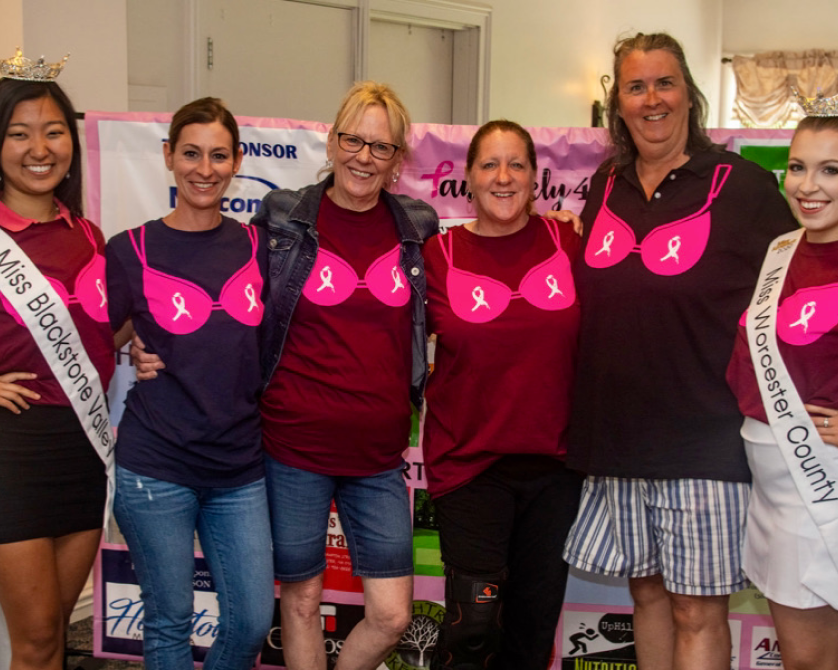
Pawsitively 4 Pink is always looking for businesses to partner with in helping breast cancer patients in need. If you own a business and want to make a difference, either during Breast Cancer Month or long term, please let us know here.
If you don’t have the resources or the time to organize a fundraiser, donating is the most impactful way to raise awareness about breast cancer. If you’d like to donate to Pawsitively 4 Pink, click here. If you’d like to volunteer instead, we’d love to have you! Sign up here to become a volunteer.
Happy (productive) Breast Cancer Awareness Month!

Four Exciting Fundraiser Fall Events in Massachusetts
Fall is a season of change, and what better way to embrace that change than by supporting a cause close to your heart? Massachusetts is gearing up for exciting fundraiser fall events that promise to be both fun-filled and impactful. No matter what you're passionate about, there's an event in Massachusetts that can help you make a difference, and here at Pawsitively 4 Pink, we have curated a small selection for you!
These events provide the perfect opportunity to connect with like-minded individuals and contribute to something meaningful. Get ready to be inspired, motivated, and entertained as you join forces with others who share your philanthropic spirit.
Not only will these events help raise funds for important causes, they will also offer a chance to give back to your community, meet new people, and create lasting memories. So, mark your calendars and get ready to have a blast while supporting a cause that truly matters.
Importance of fundraising events for nonprofits
Nonprofits play a crucial role in our society, addressing a wide range of issues and supporting communities in need. However, these organizations often face significant financial challenges, making fundraising a critical aspect of their operations. Fundraising events serve as a powerful tool for nonprofits to generate the necessary resources to sustain their programs, expand their reach, and create lasting positive change.
One of the primary benefits of fundraising events is their ability to raise awareness about the cause or issue that the nonprofit is dedicated to. By bringing together individuals who share a common interest or concern, these events provide a platform for the organization to share its mission, goals, and the impact of its work. This heightened awareness can lead to increased public support, both in terms of financial contributions and volunteer engagement.
Moreover, fundraising events offer an opportunity for nonprofits to build and strengthen relationships with their supporters. These events create a sense of community, allowing donors, volunteers, and beneficiaries to connect and collaborate towards a shared purpose.
The impact of fundraising events on the community
Fundraising events not only benefit nonprofit organizations but also have a significant impact on the broader community. These events can serve as catalysts for positive change, bringing people together to address pressing social, environmental, or humanitarian issues.
When a community comes together to support a cause through a fundraising event, it sends a powerful message of unity and collective action. This collective effort can inspire others to get involved, creating a ripple effect that extends beyond the immediate event. As more people become engaged, the potential for creating meaningful and lasting change increases exponentially.
Let’s explore four fundraiser fall events in Massachusetts.
Supporting a cause by singing Taylor Swift? Now you can!

On October 5, 2024, join Pawsitively 4 Pink and Taylor Nation Tribute Band for a unique fundraising event that is set to captivate the community and music enthusiasts alike! This fundraiser concert is a one-of-a-kind event that combines the power of music with the passion for supporting our cause: helping underprivileged women in our community fight breast cancer.
In honor of the Eras Tour, this event is a celebration of the timeless songs of Taylor Swift, from her country roots to pop beats and folk tunes: we will sing along to Taylor's hits thanks to the premium experience brought to you by the amazing Taylor Nation Tribute Band. Join us at SAC Park on October 5 for an incredible experience!
If you're ready to "make the friendship bracelets, take the moment and taste it"...grab your tickets here!
Run for a cause: MA Blue & Green Walk/5K
In October, Massachusetts will be getting ready to host an exciting fundraising event that combines physical activity with a meaningful cause.
Organized by the New England Donor Services, this event is a celebration of the organization's commitment to helping patients in need of organ and tissue donations. By participating in the walk or 5K run, you will not only get to keep active, but you'll also contribute to a cause that directly impacts the lives of those in need.
The event will take place on October 13, 2024, at Polar Park in Worcester, MA.
The funds raised from this event will be used to support the lifesaving mission of New England Donor Services. Learn more and sign up here.
For the avid readers: Book Club Evening with Stoneham Alliance Against Violence
For the bookworms and literary enthusiasts in Massachusetts, there's an exciting fundraising event that combines the love of reading with the passion for supporting a worthy cause. The Stoneham Alliance Against Violence is hosting a "Book Club Evening," where you will get a chance to talk about literature with like-minded people and contribute to the organization's mission of fighting domestic violence.
The evening will feature a discussion around the themes in the best-selling book "It Ends With Us" by Colleen Hoover, including criticism of the book's framing of domestic violence and conversations to raise awareness about domestic violence and unhealthy relationships.
This event, which is adults-only given the nature of the topics it entails, will take place on October 3, 2024, at 335 Main Street in Stoneham, MA. Learn more and sign up here!
Silent Auction: Harbor of Hope 2024
Join the South Boston Community Health Center's most important fundraiser, the Harbor of Hope Auction & Cocktail Reception. This organization relies on the proceeds to fund its programs and services, and you can help them do just that as you enjoy an evening of one-of-a-kind live and silent auctions, scrumptious food & cocktails, and lively entertainment.
The proceeds from the auction will be used to fund the organization's planned 11,000 SF expansion, enabling it to reach more individuals in need of its services and providing them with improved healthcare experiences.
We have no doubts that this auction will offer something for everyone! Learn more about it here.
Benefits of attending fundraising events
Attending fundraising events in Massachusetts offers a multitude of benefits. Events such as the fall fundraisers in Massachussets that we’ve just seen provide an opportunity for individuals to connect with their community, discover new passions, and create lasting memories while making a positive impact.
One of the primary benefits of attending fundraising events is the sense of community and belonging they foster. By gathering with like-minded individuals who share a common interest or concern, attendees can forge new connections, expand their social networks, and engage in meaningful conversations. This sense of community can lead to the formation of lasting relationships and the discovery of shared interests and passions.

Moreover, fundraising events offer a chance for personal growth and enrichment. Whether it's exploring a new hobby, learning about a social issue, or discovering a hidden talent, these events can inspire and motivate attendees to step outside their comfort zones and explore new possibilities.
Lastly, attending fundraising events can create lasting memories and cherished experiences. The energy, excitement, and sense of camaraderie that permeate these events can leave a lasting impression on participants, inspiring them to continue their philanthropic efforts and to share their experiences with others.
We hope we gave you some interesting ideas on what fundraiser fall events in Massachusetts you can attend in the coming months! If you can’t attend these events, remember that organizations like Pawsitively 4 Pink rely on donations and volunteers to keep going: please consider donating here or volunteering. Thank you!

A Guide To BRCA Gene Testing: Getting Prescreened For Breast Cancer Genes
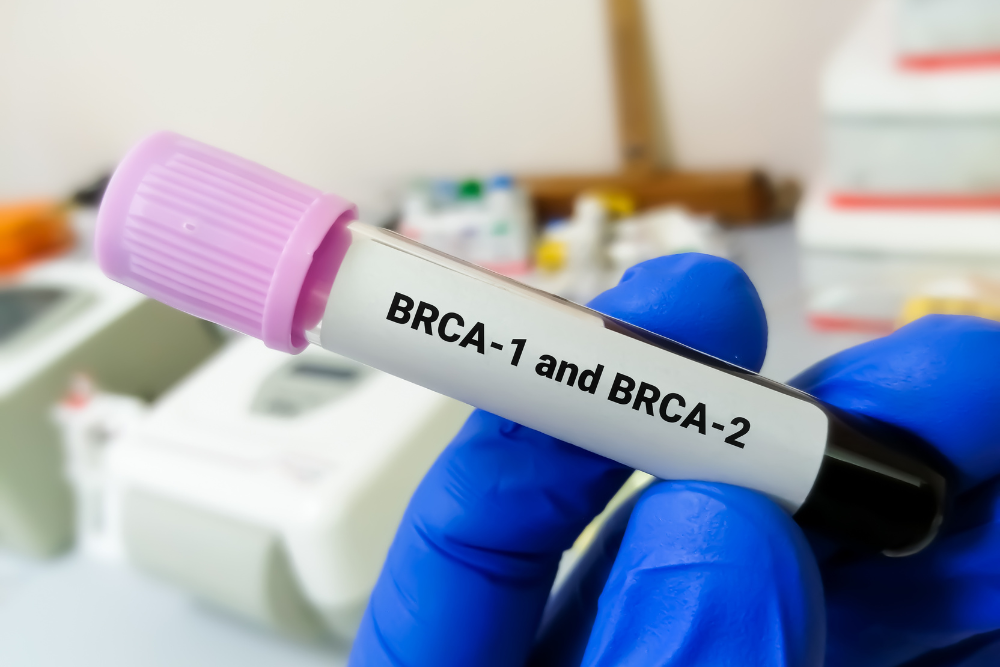
Are you concerned about your risk of developing breast cancer? You’re not alone. As a breast cancer nonprofit, here at Pawsitively 4 Pink we know that many individuals want to be proactive and informed when it comes to their health. That’s why BRCA gene testing has become an essential tool in identifying genetic mutations linked to breast cancer. If you’re considering getting prescreened for breast cancer gene mutations, it’s important to have a clear understanding of what the process entails.
In this comprehensive guide, we will walk you through the most important things you need to know about BRCA gene testing.
Understanding The BRCA Genes And Their Role In Breast Cancer
The BRCA1 and BRCA2 genes are two of the most well-known and studied genes when it comes to breast cancer risk. These genes play a crucial role in the body's ability to repair damaged DNA, which helps prevent the uncontrolled cell growth that can lead to cancer.
When a person inherits a harmful variant or mutation in one of these genes, it significantly increases their risk of developing certain types of cancer, particularly breast and ovarian cancer. BRCA1 and BRCA2 mutations are responsible for about 5-10% of all breast cancer cases and up to 15% of ovarian cancer cases.
The BRCA genes act as tumor suppressor genes, meaning they help regulate cell growth and division. When these genes are mutated, it can lead to the development of cancerous cells. Individuals with a BRCA mutation have a higher lifetime risk of developing breast cancer (up to 72% for BRCA1 and 69% for BRCA2) and ovarian cancer (up to 44% for BRCA1 and 17% for BRCA2). They may also be at an increased risk for other types of cancer, such as prostate, pancreatic, and melanoma.
Who Should Consider BRCA Gene Testing?
BRCA gene testing is typically recommended for individuals who have a strong family history of breast and/or ovarian cancer, or who have certain personal or ethnic risk factors. Some of the key factors that may indicate a need for breast cancer gene testing include:
- A personal history of breast cancer, especially if diagnosed at a young age (under 50) or if you have been diagnosed with triple-negative breast cancer
- A family history of breast cancer in a first-degree relative (parent, sibling, or child) diagnosed before age 50
- A family history of ovarian cancer, regardless of age at diagnosis
- A family history of both breast and ovarian cancer
- A family history of male breast cancer
- Ashkenazi Jewish ancestry, as BRCA mutations are more common in this population
- A personal or family history of other cancers associated with BRCA mutations, such as prostate, pancreatic, or melanoma
If you have any of these risk factors, it's important to discuss them with your healthcare provider. They can help assess your individual risk and determine if BRCA gene testing is recommended. Early identification of a BRCA mutation can lead to more effective cancer prevention and early detection strategies.
The Benefits And Risks Of BRCA Gene Testing
The primary benefit of BRCA gene testing is the opportunity to take proactive steps to manage your cancer risk. If you test positive for a harmful BRCA mutation, you and your healthcare team can develop a personalized plan to monitor your health more closely and consider preventive measures, such as:
- More frequent breast cancer screenings like mammograms and MRIs
- Consideration of prophylactic (preventive) surgery, such as a mastectomy
- Enhanced screening for other BRCA-related cancers, like ovarian, prostate, or pancreatic cancer
- Targeted cancer treatments, if you do develop cancer
Additionally, BRCA gene testing can provide valuable information for your family members. If you test positive, your blood relatives may also be at risk and could benefit from genetic counseling and testing. This can help them make informed decisions about their own healthcare and cancer prevention strategies.
However, BRCA gene testing is not without its risks and limitations. One of the primary concerns is the potential for discrimination based on the results. While laws like the Genetic Information Nondiscrimination Act (GINA) prohibit employers and health insurers from using genetic information to make decisions about employment or coverage, there are still gaps in protection. It's important to be aware of your rights and the potential implications of your test results.
Another risk is the possibility of receiving inconclusive or uncertain results. In some cases, a genetic variant may be identified, but its significance in terms of cancer risk may not be clear. This may require additional testing or monitoring.

What Does The Process Of BRCA Gene Testing Look Like?
The process of BRCA gene testing typically involves the following steps:
- Consultation with a genetic counselor: Before undergoing BRCA testing, you'll meet with a genetic counselor who will assess your personal and family history, explain the testing process, and help you understand the potential implications of the results.
- Blood or saliva sample collection: The actual BRCA gene test involves a simple blood draw or saliva sample, which is then sent to a specialized laboratory for analysis.
- Waiting for results: The laboratory will analyze your sample to look for specific mutations or variants in the BRCA1 and BRCA2 genes. This process can take several weeks.
Once the results are ready, you'll have another appointment with your genetic counselor to review them. If a harmful BRCA mutation is identified, your counselor will explain what this means for your cancer risk and discuss your options for managing that risk. They'll also provide guidance on informing your family members and helping them navigate the testing process as well.
It's important to note that BRCA gene testing is not a one-size-fits-all process. Depending on your personal and family history, your genetic counselor may recommend additional testing or a more comprehensive genetic panel that looks for mutations in other genes associated with cancer risk.
What To Do If You Test Positive For A BRCA Gene Mutation
If you receive a positive result indicating that you have a harmful BRCA1 or BRCA2 mutation, it's natural to feel a range of emotions, from shock and fear to relief at finally having answers. However, it's important to remember that a positive result does not mean you will inevitably develop cancer. It simply means you have a significantly higher risk and must take proactive steps to manage it.
The first step after receiving a positive BRCA result is to work closely with your healthcare team, including your primary care provider, gynecologist, and a genetic counselor, to develop a personalized plan for cancer prevention and early detection.
In addition to the medical aspects of managing your BRCA-related cancer risk, it's also important to prioritize your emotional and psychological well-being. Receiving a positive BRCA result can be a significant source of stress and anxiety, and it's crucial to seek support from a mental health professional, support group, or other resources to help you cope with the challenges you may face.
The Cost And Insurance Coverage Of BRCA Gene Testing
The cost of BRCA gene testing can vary significantly, depending on factors such as your location, the laboratory performing the test, and your health insurance coverage. On average, the cost of BRCA gene testing can range from $300 to $4,000 or more.
In the United States, the Affordable Care Act (ACA) requires most health insurance plans to cover BRCA testing for individuals who meet certain criteria, such as having a personal or family history of breast and/or ovarian cancer. However, the specific coverage and out-of-pocket costs can vary widely depending on your plan.
It's important to check with your health insurance provider to understand the details of your coverage for BRCA gene testing. Some key things to consider include:
- Whether the test is considered medically necessary based on your risk factors and family history
- The deductible, copay, or coinsurance you may be responsible for
- Whether the test must be performed by an in-network provider to be covered
- Any pre-authorization or referral requirements from your insurance provider
If you don't have health insurance or your plan doesn't cover BRCA testing, there are other options to consider. Some laboratories offer financial assistance programs or payment plans to help make the testing more affordable. Additionally, there are breast cancer nonprofit organizations and breast cancer foundations that may be able to provide grants or subsidies to cover the cost of BRCA testing for eligible individuals.
We hope we cleared up your doubts about getting prescreened for breast cancer genes! As a breast cancer nonprofit, Pawsitively 4 Pink relies on and appreciates every single donation that people like you make. Thank you if you decide to donate!
If you are passionate about helping people with breast cancer in your community, check out our volunteering opportunities.

The Cost Barrier: Why Is It So Hard To Afford Breast Cancer Care?
Breast cancer affects millions of women worldwide, but unfortunately, the cost of treatment often becomes a nearly insurmountable barrier for many patients. At Pawsitively 4 Pink, we know this all too well, and this is the reason why we made it our mission to help underserved women fighting breast cancer in Massachusetts.
The rising cost of healthcare, coupled with the complex nature of breast cancer treatment, can become a burden on individuals and their families. From diagnostic tests to surgery, chemotherapy, and radiation therapy, the expenses can quickly escalate. Moreover, the financial strain is not limited to medical bills alone; it extends to transportation, childcare, and loss of income due to missed work.
Faced with this kind of financial hardship, many patients are left having to make difficult decisions, potentially compromising their well-being even further. It is crucial to address the financial challenges in breast cancer treatment, as no one should have to choose between their health and financial stability.
Let's explore the significant impact of the cost barrier on breast cancer care and discover the initiatives and resources available to support patients during this challenging journey.
The Rising Cost of Breast Cancer Care
The cost of breast cancer treatment has been steadily rising over the years, posing a significant challenge for patients in need of care. Indirect factors such as the increasing prices of medical services, medications, and specialized equipment also contribute to the overall high cost of treating breast cancer.
Moreover, the issue of affording breast cancer care does not only involve medical expenses. Patients often face additional bills related to transportation to and from doctor's appointments, lodging for out-of-town treatments, and the need for specialized care or assistance, such as childcare support.
The rising cost of breast cancer treatment not only affects patients during their active treatment phase but can also have long-term financial repercussions. Survivors may continue to face financial challenges post-treatment, including ongoing medical expenses, follow-up care, and potential loss of income due to lingering health issues. This is why, at Pawsitively 4 Pink, we continue to support patients even after treatment.
The Impact of Financial Burden on Breast Cancer Patients
The financial burden associated with breast cancer care can have a serious impact on patients, affecting their physical and emotional well-being, treatment decisions, and overall quality of life. The stress of managing high medical costs can lead to anxiety, depression, and feelings of helplessness, all of which can negatively impact the patient's ability to cope with their diagnosis and treatment. Financial issues can also influence treatment decisions: patients may decide to go for less effective or abbreviated treatments due to financial constraints.
In some cases, the financial burden of breast cancer treatment can lead to long-term financial instability, impacting the patient's ability to return to work, advance their career, or maintain financial security. The loss of income during treatment, coupled with ongoing medical expenses, can create a cycle of financial hardship that persists even after completing active treatment.
The Role of Nonprofit Organizations: Why Donating to Nonprofits Can Change Lives
Nonprofit organizations play a vital role in supporting breast cancer patients by providing financial assistance, emotional support, and resources to help navigate the complexities of the breast cancer journey. These organizations, such as Pawsitively 4 Pink, rely on donations and fundraising efforts to sustain their programs and services, making every contribution a valuable investment in improving the lives of those affected by breast cancer. By donating to nonprofits that focus on supporting breast cancer patients, you can make a great difference in the lives of those facing financial hardship. Check out this page to learn how to donate by cost to help someone afford groceries, rent, medication, bills, and more.
One of the primary ways in which nonprofit organizations like ours help breast cancer patients is by offering financial assistance to cover medical expenses, transportation costs, housing accommodations, and other essential needs. By alleviating the financial burden associated with treatment, these organizations enable patients to focus on their recovery and well-being without the added stress of mounting bills. Additionally, at Pawsitively 4 Pink, our volunteers do an amazing job of driving patients to and from their appointments, offering childcare support, and organizing our fundraiser events.
Without donations, this system would not work, and a nonprofit like Pawsitively 4 Pink could not exist.
Fundraising and Community Support for Breast Cancer Patients
Fundraising and community support are among the top choices for nonprofits when it comes to providing financial assistance and resources to breast cancer patients in need. In Massachusetts, organizations like Pawsitively 4 Pink host fundraiser events and many different initiatives to raise funds for underserved women fighting breast cancer. These efforts not only generate financial support but also raise awareness about the challenges faced by breast cancer patients and the importance of access to affordable care.
Through creative fundraising events such as charity walks, concerts, and sports tournaments, our organization engages the community and mobilizes support for the cause. By participating in our events, you make a tangible impact on the lives of breast cancer patients and contribute to a more supportive and compassionate community.
Community support is essential for sustaining the work of organizations like Pawsitively 4 Pink and ensuring that underserved women have access to the resources and assistance they need during their cancer journey. Whether through volunteering, fundraising, or spreading awareness, every act of kindness and support contributes to creating a more compassionate and inclusive community for those affected by breast cancer.

Why Volunteer? Three Unique Benefits of Volunteer Work
You probably already know that volunteering is essentially good. But why is that? Why do so many people actively dedicate their time and efforts to causes that are close to their hearts?
Well, there is a short and a long answer. The short answer is that the act of volunteering not only helps others but also brings personal fulfillment and a sense of purpose, giving us unique opportunities to connect with like-minded people, learn new skills, and expand our horizons.
The long answer is the rest of this blog! In this article, we will explore the psychology that lies at the base of volunteering and how it can bring unique benefits to individuals and entire communities. The magic happens when people dedicate themselves to serving others and giving back to their community or a cause they particularly connect with!

The Importance of Giving Back
Volunteering is a powerful way to give back to society and contribute to the well-being of others. It allows people to connect with their communities, understand diverse perspectives, and address important social issues. By volunteering, you become an agent of change, creating positive ripple effects that benefit individuals, families, and entire communities. In today's every-man-for-himself world, the act of giving back is not only a selfless gesture but also a fundamental aspect of building a more compassionate and inclusive world, training people to practice altruism and deconstruct selfishness.
Engaging in volunteer work provides a sense of purpose and fulfillment that goes beyond personal satisfaction. It allows you to see the direct impact of your efforts and witness the positive changes you help bring about. Giving back through volunteering nurtures empathy, compassion, and understanding, fostering a deeper connection with those in need and promoting a sense of unity and solidarity.
Why Volunteer?
#1: The Personal Benefits of Volunteer Work
Volunteer work offers many personal benefits that contribute to overall well-being and happiness. Volunteering can boost self-esteem and confidence as you tackle new challenges and contribute meaningfully to causes you care about. It provides a sense of accomplishment and pride in knowing that your efforts are making a difference in the lives of others. Volunteering also offers opportunities for personal growth and self-discovery as you step out of your comfort zone and explore new roles and responsibilities.
Volunteering can also have positive physical effects on health. Studies have shown that individuals who volunteer regularly experience lower stress levels and improved mood, resulting, for instance, in better blood pressure levels and a decrease in depression. Moreover, engaging in volunteer activities promotes social interaction and connections, reduces feelings of loneliness and isolation, and promotes a more social way of life.
#2: The Professional Benefits of Volunteer Work
As we explained in this blog, volunteering can also have significant professional benefits. Volunteering allows individuals to develop valuable skills and experience that can enhance their resumes and make them more attractive to potential employers. Through volunteering, you can gain practical experience in areas such as leadership, communication, project management, and teamwork, all of which are not only highly valued in the workplace but are also life skills that testify to your growth as a person.
Lastly, volunteer work can also help you explore new career paths, gain insight into different industries, and discover your passions and interests.
#3: The Impact of Volunteering on Communities
The impact of volunteering extends far beyond individual benefits: it shapes and strengthens communities in profound ways. Through volunteer work, communities receive vital support, resources, and services that enhance quality of life and address pressing social needs. Volunteers are crucial in building resilient, inclusive communities that prioritize equity, justice, and well-being for all members. The collective efforts of volunteers contribute to positive social change and sustainable development. From now on, when you wonder, “Why volunteer?” Remember this!
There are Many Types of Volunteer Opportunities
Volunteer opportunities come in various forms, depending on what you're looking for. There are volunteering opportunities to suit every taste, from hands-on activities such as serving meals at a local shelter to remote opportunities like online advocacy campaigns. Whether you prefer direct interaction with individuals in need or behind-the-scenes support for organizations, there are endless ways to get involved and make a difference.
Volunteer roles can be short-term or long-term, one-time events or ongoing commitments, allowing individuals to find opportunities that align with their interests, skills, and availability. No matter your passion or expertise, there is a volunteer opportunity waiting for you. At Pawsitively 4 Pink, for example, we are always looking for new volunteers to help underserved women who are fighting breast cancer in Massachusetts. Maybe you're interested in driving someone to their doctor's appointments or lending a hand to organize our next event, or maybe you'd like to provide childcare support for moms with breast cancer. No matter your vocation, we'd love to have you as a volunteer!
Our Tips for a Rewarding Volunteer Experience
As a breast cancer nonprofit that has been around for a few years, we have learned a thing or two that will make your volunteer experience great.
Firstly, to ensure your volunteer experience is rewarding, it is important to approach this activity with intention, commitment, and an open mind. Set clear goals and expectations for your volunteer work, outlining what you hope to achieve and how you can contribute effectively. Communicate openly with volunteer coordinators and team members, expressing your interests, concerns, and availability. Be proactive in seeking feedback and guidance to enhance your volunteer experience and make a meaningful impact.
Secondly, take the time to learn about the organization you are volunteering for and understand its mission, values, and impact on the community. Familiarize yourself with the specific tasks and responsibilities of your volunteer role, asking questions and seeking clarification if you need it. Embrace the opportunity to collaborate with others, share ideas, and learn from different perspectives. Approach challenges with a positive attitude and a willingness to adapt and grow through your volunteer experience.
Are you ready to start giving back to your community? If you live in Massachusetts, we’d love to have you as a volunteer. All you have to do is fill out the form here.

Nonprofit Behind the Scenes: Where Does Donation Money Go?
Do you ever wonder where your money goes when you donate to nonprofits? It's time to demystify nonprofit finances and give you a clearer understanding of how your donations are allocated. In this article, we'll take a closer look at the financial workings of nonprofits and shed light on where exactly your dollars go.

Nonprofits rely on donations to fund their operations, programs, and initiatives. However, not all your donations go directly towards the cause or project you're supporting. There are various factors that impact the allocation of funds, such as administrative expenses, fundraising costs, and overhead. Understanding these factors can help you make more informed decisions when choosing which nonprofits to support.
Get ready to discuss the common misconceptions, delve into financial reporting, and provide insights on how to evaluate nonprofit financial health. By gaining a deeper understanding of nonprofit finances, you'll be able to make a greater impact with your donations. You can believe us when we say, as a small breast cancer nonprofit, that donations keep us going! Let's dive into it: where does donation money go?
Types of Nonprofit Organizations: Big vs Small Nonprofits
Nonprofit organizations come in all shapes and sizes, ranging from small grassroots initiatives to large national or international organizations. The size of a nonprofit can have an impact on how funds are allocated. Larger nonprofits tend to have more complex operations, requiring a larger portion of their budget to be allocated to administrative expenses and overhead costs. On the other hand, smaller nonprofits may have fewer administrative expenses, allowing a larger portion of their funds to directly support their programs and initiatives.
It's important to note that the size of a nonprofit doesn't necessarily reflect its impact or effectiveness. Small nonprofits can often be more agile and responsive to the needs of their communities, while larger organizations may have the resources and reach to tackle systemic issues on a larger scale. Understanding the size and structure of a nonprofit can help you determine how your donation will be utilized.
Where Does Donation Money Go? Factors to Consider
When you donate to nonprofits, it's important to consider the factors that can impact where your donation money goes. While nonprofits strive to allocate funds toward their programs and initiatives, there are other expenses that need to be covered. These factors include administrative expenses and fundraising and overhead costs.
Administrative expenses encompass the costs associated with running the organization. This includes salaries and benefits for staff, rent for office space, utilities, and other operational costs. While administrative expenses are necessary to keep the organization running smoothly, all nonprofits should make an effort to keep their primary focus on actively supporting their cause.
Fundraising costs are another factor to consider. Nonprofits often rely on fundraising activities to generate revenue. However, fundraising events and campaigns come with their own set of expenses. This can include marketing materials, event coordination, and professional fundraising services. In this case, your donation may be used to both cover these costs and to directly support the cause.
Overhead costs are the indirect expenses associated with supporting the organization's mission. This can include rent for program facilities, technology infrastructure, legal fees, and other shared resources.
By understanding these factors, you can have a clearer picture of how your donation money may be allocated and make more informed decisions when choosing which nonprofits to support.

Common Misconceptions About Nonprofit Finances
There are several common misconceptions about nonprofit finances when you ask yourself: "Where does donation money go?". One common misconception is that all nonprofit funds go directly toward the cause or project being supported. While nonprofits strive to allocate as much of their funds as possible toward their programs and initiatives, there are other expenses that need to be covered, as mentioned earlier.
Another misconception is that high administrative expenses indicate financial mismanagement or inefficiency. While it's important to evaluate the proportion of funds allocated to administrative expenses, it's also crucial to recognize that proper financial management requires some level of administrative support. Administrative expenses are necessary for the organization to operate effectively and fulfill its mission.
Furthermore, some people believe that overhead costs are wasteful and should be minimized as much as possible. However, overhead costs are essential for the organization's sustainability and growth. Without investing in infrastructure, technology, and other shared resources, nonprofits may struggle to deliver their programs and initiatives effectively.
It's important to challenge these misconceptions and gain a more nuanced understanding of nonprofit finances. By doing so, we can make more informed decisions when supporting nonprofits and ensure that our donations are making a meaningful impact.
How Nonprofits Allocate Donation Funds
Nonprofits employ various strategies to allocate funds toward their programs and initiatives. One common approach is the program expense ratio, which measures the proportion of funds spent on program activities compared to administrative and fundraising expenses. This ratio indicates how much of the organization's budget is directly supporting the cause.
Another approach is functional expense allocation, which categorizes expenses into three main categories: program services, management and general, and fundraising. This provides a breakdown of how funds are allocated across different areas of the organization's operations.
It's also worth noting that some nonprofits have restricted funds, which are earmarked for specific programs or purposes. Donors may have the option to specify how their donation should be used, allowing them to have a direct impact on a particular initiative or project.
Ultimately, nonprofits have a responsibility to be transparent about their financial practices and provide clear communication about how funds are allocated. By understanding how nonprofits allocate donation funds, donors can ensure that their generosity is making a real difference.
Transparency and Accountability in Nonprofit Finances
Transparency and accountability are crucial in the world of nonprofit finances. When you donate to nonprofits, you have a right to know how your donation is being utilized and how the organization is managing its financial resources. Nonprofits should provide clear and accessible financial information, including annual reports, audited financial statements, and impact reports. If you’d like to know more about Pawsitively 4 Pink’s impact, click here.
Donors can also utilize various resources to evaluate the financial health and accountability of nonprofits. Websites such as GuideStar and Charity Navigator provide ratings and reviews of nonprofits, based on their financial transparency, accountability, and impact. These platforms can help donors make informed decisions and choose nonprofits that align with their values and priorities.
Questions to Ask Before Donating to a Nonprofit
Before donating to nonprofits, it's important to ask the right questions to ensure that your funds will be utilized effectively. Here are some key questions to consider:
- What is the organization's mission and how does it align with your values?
- How does the organization measure and communicate its impact?
- What is the organization's financial health, as indicated by its financial statements and ratings?
- Is the organization transparent about its financial practices and accountable to its donors?
By asking these questions, you can ensure that your donation is going toward a nonprofit that is transparent, accountable, and aligned with your values. If you would like to consider Pawsitively 4 Pink as your next nonprofit to donate to, we would appreciate it! Click here to donate.

Volunteer Opportunities for Teens in Massachusetts
If you're a teen in Massachusetts looking for an occasion to serve your community or would like to inspire with volunteering opportunities, you're in luck! Pawsitively 4 Pink and several other nonprofits in the state are offering unique and impactful ways to give back.

At Pawsitively 4 Pink, as a breast cancer nonprofit organization, we're always looking for volunteers to help us continue our mission to support breast cancer patients in many ways, financially and personally. As a teen volunteer, you can participate in our many events and initiatives, like organizing fundraisers, assisting at events, and helping the women directly. By volunteering with Pawsitively 4 Pink, you not only support a great cause but also gain valuable skills and experiences.
Let's look closer at the different volunteer opportunities for teens available in Massachusetts, including Pawsitively 4 Pink and other notable nonprofits. Get ready to make a difference and discover the power of youth volunteering in your community!
The Importance of Volunteering for Teenagers
Volunteering is a valuable experience for teenagers as it provides an opportunity to make a positive impact on the community while developing important skills and qualities. By dedicating your time and efforts to a cause you care about, you can learn the value of empathy, responsibility, and teamwork. Volunteer opportunities for teens also allow you to explore different career paths, build your resume, and establish connections within the community.
Knowing that your actions are making a difference in the lives of others, you will find yourself fulfilled and satisfied with your work. Volunteering can also be a transformative experience because it can help you better understand social issues and the importance of giving back.
Overview of Pawsitively 4 Pink and Our Mission
Pawsitively 4 Pink is a nonprofit organization based in Massachusetts. We’re dedicated to raising awareness around breast cancer and helping the women affected by it in the Worcester area. Among our services to the women and the community, we dedicate our time to raising funds to financially help the patients before and after treatment, train emotional support dogs, and organize many events year-round where we can always use more help!
How to Get Involved with Pawsitively 4 Pink
Getting involved with Pawsitively 4 Pink as a teen volunteer is a fantastic way to support our mission and contribute to the fight against breast cancer. There are lots of ways you can get involved and make a difference:
- Help at our fundraising events: Pawsitively 4 Pink organizes many fun-packed events year-round to raise funds and financially support the underserved women affected by breast cancer in the area. Think golf tournaments, concerts, casino nights…you name it! You're always welcome to join us and make a difference while having a great time! Check out our next events here.
- Provide childcare support: many of the women we help have a hard time taking care of their children when they are going to doctor appointments very often or doing chemo. That's why our volunteers also provide childcare to parents in need.
- Drive patients to their appointments: if you have your own car and a valid driving license, you can offer to accompany patients who don't drive to their doctor's appointments.
- Organize a virtual fundraiser: fundraisers are extremely helpful to keep us going and a great way to show your support for our cause if you don't have the resources or the time to engage in other volunteering activities. If you don’t have enough time to volunteer, we always appreciate donations. Make yours here. If you’d like to get something back by donating, why don’t you check out our latest campaign, #SupportYourBreastie? You can buy a water bottle, keychain, phone case, or a t-shirt, and the money will be a donation!
You can find out more about our volunteering opportunities here.
Other Volunteer Opportunities for Teens in Massachusetts
We would love to have you as a volunteer at Pawsitively 4 Pink, but several other nonprofits in Massachusetts offer volunteer opportunities for teens that you can check out. Are you passionate about the environment, education, or animal rights? There's a nonprofit in Massachusetts that will meet your interests!
For example, check out the Massachusetts Audubon Society, which focuses on conserving the state's natural habitats and promoting environmental education. As a teen volunteer, you can help with wildlife monitoring, participate in clean-up events, or support educational programs for children. This is a great opportunity to learn about environmental conservation while making a hands-on impact.
Another organization you can consider is Big Brothers Big Sisters of Massachusetts Bay. They provide mentoring programs for children and teenagers who need positive role models. As a volunteer, you can become a mentor and make a great difference in the lives of other young people.
If you’re passionate about animal rights, the Massachusetts Society for the Prevention of Cruelty to Animals (MSPCA) offers volunteer opportunities at their animal shelters. There, you can help with animal care and adoption events or even become a foster parent for animals in need!
These are just a few examples of the many nonprofit organizations in Massachusetts that offer teen volunteer opportunities. By exploring your interests and reaching out to these organizations, you can find a cause that speaks to your passions and make a difference in your community.
 Benefits of Volunteering for Teenagers
 Benefits of Volunteering for Teenagers
Volunteering with a nonprofit organization offers many benefits for teens. Here are some of the key advantages:
- Personal Growth and Skill Development: Volunteering helps you develop important skills such as communication, teamwork, leadership, and problem-solving, which are important in both personal and professional contexts.
- Expanded Social Network: Volunteering will bring you closer to people who share your values and interests. It can be a way to make new friends and work together for the community.
- Sense of Fulfillment: Knowing that your actions make a difference for someone else will make you feel fulfilled and happy. Volunteering allows you to experience the joy and satisfaction of helping others.
- College and Career Advantages: Volunteering involves initiative, compassion, and a commitment to community service. Colleges and employers value these qualities, meaning that volunteering can enhance your future college applications, scholarship opportunities, and career opportunities.
- Personal Satisfaction: Volunteering is an opportunity to step outside your comfort zone and challenge yourself. By taking on new responsibilities and overcoming obstacles, you will become more self-confident!
Volunteer Opportunities for Teens: Tips for Choosing the Right One
Finding the right volunteer opportunity can be an exciting and fulfilling journey. Here are some tips to help you find and choose the best volunteer opportunity for you:
- Identify your Interests: Start by identifying the causes you are passionate about. Whether you support cancer patients, preserve the environment, educate, or protect animal rights, choose a cause that speaks to your heart.
- Research Local Nonprofits: Explore the nonprofit organizations in your area and learn more about their missions, volunteer opportunities, and impact. Consider reaching out to them directly to ask for information about volunteering opportunities.
- Consider Your Skills and Availability: List your skills, strengths, and availability. This will help you decide what type of volunteer work would be the best fit for you. If you enjoy working with children, our childcare opportunities might be a good fit!
- Seek Recommendations: Talk to friends, family, teachers, etc, who might have tips or recommendations for volunteer opportunities. If you'd like to talk to us directly, give us a call!
- Start Small and Grow: If you're new to volunteering, start with smaller commitments. This will allow you to do a good job without feeling overwhelmed. You can always get more involved as you gain experience and confidence!
 How Volunteering Can Impact College Applications and Future Career Paths
 How Volunteering Can Impact College Applications and Future Career Paths
Volunteering can have an important impact on college applications and future career opportunities. Volunteer experience is always highly valued because it demonstrates important qualities that go beyond school grades.
When applying to colleges, talking about your volunteer work can set you apart from other applicants. It demonstrates your commitment to community service, your ability to take initiative, and your dedication to making a positive impact. It’s also a concrete example of your skills and qualities, such as leadership, teamwork, and problem-solving.
Volunteering can also influence your future career choices. Many employers value candidates who demonstrate a commitment to community service and to giving back.
Volunteering also allows you to explore different career paths and gain hands-on experience in your areas of interest. It can help you discover your passions, develop new skills, and make informed decisions about your education and career choices.
To explore volunteering opportunities at Pawsitively 4 Pink, click here. We hope to hear from you soon!

Bras for Breast Cancer: Top Choices for Post-Op Comfort
Finding the right bra is an essential part of post-surgery recovery for breast cancer survivors. A comfortable and well-fitting bra not only provides physical support but also boosts confidence and helps with emotional healing. In this article, we will explore the best bras specifically designed for post-op breast cancer comfort.
At Pawsitively 4 Pink, we appreciate the uniqueness of every breast cancer survivor, along with their different needs and preferences. That's why we have come up with a selection of bras for breast cancer post-op needs that prioritize comfort, support, and style. Whether you have undergone a mastectomy, lumpectomy, or breast reconstruction, we have options that cater to all.
Our featured bras are crafted from soft, breathable fabrics and offer adjustable straps, front closures, and gentle support to alleviate any discomfort. We have also considered the preferences of survivors who have opted for breast prosthetics, ensuring our recommendations accommodate those needs as well.
Let's explore the options and find the perfect bra to support you on your journey to healing and feeling like yourself again.
 Understanding the Post-Op Needs of Breast Cancer Survivors
 Understanding the Post-Op Needs of Breast Cancer Survivors
At our breast cancer nonprofit, we know that breast cancer surgery, such as mastectomy or lumpectomy, involves the removal of breast tissue, which can leave survivors with physical and emotional challenges. It is crucial to understand the needs of post-op breast cancer survivors when it comes to selecting the best bras for breast cancer recovery.
One of the main considerations is the level of comfort and support. Post-surgery bras should be made from soft, breathable fabrics that do not exacerbate sensitivity. The bras should also provide gentle compression to reduce swelling and promote healing. Additionally, survivors often experience changes in breast size and shape, so bras with adjustable features are essential for a personalized fit.
Another important consideration is the emotional aspect of recovery. Many survivors experience a loss of confidence or a sense of alienation from their bodies. A well-fitting bra that supports and enhances the natural shape can help survivors feel more comfortable and confident. The right bra can also accommodate breast prosthetics, allowing survivors to regain a sense of symmetry.
Finding the Right Bra for Post-Op Comfort
Finding the right bra is crucial for post-op comfort and overall well-being. A poorly fitting bra can cause discomfort, irritation, and even impact the healing process. On the other hand, a well-designed post-op bra can alleviate pain, promote healing, and provide much-needed support.
One of the key factors to consider when selecting a bra after breast cancer surgery is the absence of underwire. Underwire bras can dig into sensitive tissue and cause discomfort. Opting for wire-free bras ensures that there is no unnecessary pressure on the surgical site, allowing for proper healing.
Another consideration regards the features that provide optimal support and comfort. Bras with wide, adjustable straps distribute the weight evenly and reduce strain on the shoulders. They also offer extra support and help maintain proper posture. Additionally, bras with a wide underband provide stability and prevent the bra from riding up or digging in.
Wire-Free Bras for Post-Op Comfort
Wire-free bras are a popular choice for post-op breast cancer survivors thanks to their comfort and support. These bras are designed to provide gentle compression without the use of an underwire, making them ideal for post-surgical recovery. They offer a soft and comfortable fit, allowing breast cancer patients to focus on their healing process without the added discomfort of wires.
One type of wire-free bra that is highly recommended for post-op comfort is the cotton bra. Cotton bras like this one are breathable, hypoallergenic, and gentle on sensitive skin. They are often seamless, reducing irritation and friction against the surgical site. Cotton bras also offer a natural, soft feel against the skin, which can be particularly comforting during the recovery period.
Another option to consider is the bralette. Bralettes are wire-free and often made from soft, stretchy fabrics that provide gentle support. They come in various styles and designs, making them a versatile choice for survivors who want both comfort and style. Bralettes with front closures are especially convenient for easy dressing and adjusting. Check out this bralette specifically optimized for post-surgery wear.
Bras for Breast Cancer Survivors That Provide Optimal Support and Comfort
In addition to wire-free bras, other types of bras are great for post-op comfort. These bras are specifically designed to meet the unique needs of survivors during their recovery period.
Front-closure bras are a popular choice due to their ease of use and comfort. These bras have a convenient front closure, making it easy to put on and remove the bra without any twisting or reaching. Front-closure bras also provide gentle compression and support, making them ideal for post-op recovery.
Seamless bras are another excellent option for post-op comfort. These bras are designed to minimize irritation and sensitivity by eliminating seams that can rub against the surgical site. Seamless bras offer a smooth and soft fit, reducing friction and discomfort. They are often made from lightweight, moisture-wicking fabrics that keep the skin cool and dry.
Front-Closure Bras for Easy Dressing and Comfort
Front-closure bras are a popular choice for post-op breast cancer survivors due to their convenience and comfort. These bras feature a closure at the front, making them particularly suitable for breast cancer patients who have limited mobility or strength following surgery.
Front-closure bras like this one provide gentle compression and support, promoting proper healing and reducing discomfort. They often have adjustable straps and underbands for a personalized fit. Some front-closure bras also feature pockets to accommodate breast prosthetics, allowing survivors to achieve a balanced and natural look.
 When selecting a front-closure bra, it is essential to consider the fabric. Soft, breathable materials like cotton or microfiber are ideal for sensitive skin. These fabrics offer a comfortable fit and help prevent irritation or chafing. Additionally, bras with moisture-wicking properties can help keep the skin dry and cool, enhancing overall comfort.
Seamless Bras for Reducing Irritation and Sensitivity
Seamless bras are an excellent choice for breast cancer patients who want to minimize irritation and sensitivity post-surgery. These bras are specifically designed to eliminate seams, which can rub against the surgical site and cause discomfort. Seamless bras like this one offer a smooth and soft fit, providing relief and promoting healing.
Seamless bras are often made from lightweight, stretchy fabrics that conform to the body without restricting movement. They are typically wire-free and feature adjustable straps for personalized comfort. Seamless bras are available in various styles, including bralettes, sports bras, and full-coverage bras, ensuring there is an option for every preference.
When selecting a seamless bra, it is important to choose one with a breathable fabric that allows air circulation. This helps prevent moisture buildup and keeps the surgical site dry and comfortable. Additionally, bras with a wide underband provide stability and prevent the bra from shifting or digging in.
 Sports Bras for Additional Support During Recovery
 Sports Bras for Additional Support During Recovery
Sports bras like this one are a great option for breast cancer survivors who require additional support during their recovery. These bras are designed to minimize breast movement and provide compression, reducing discomfort and promoting proper healing. Sports bras offer a secure fit and are suitable for various physical activities, from low-impact exercises to everyday wear.
When selecting a sports bra for post-op comfort, consider the level of support required. Low-impact sports bras are ideal for gentle activities or everyday wear. They offer light compression and are often wire-free, making them comfortable for post-op recovery. Medium-impact sports bras provide more support and are suitable for moderate exercises such as yoga or brisk walking.
High-impact sports bras offer maximum support and are recommended for intense physical activities like running or aerobics. These bras are designed to minimize breast movement and provide superior compression, so make sure to consult your medical team if you’re planning on wearing these because they might not be the right choice.
 Bras for Breast Cancer Post-Op Recovery with Adjustable Features
 Bras for Breast Cancer Post-Op Recovery with Adjustable Features
Post-op bras with adjustable features are essential for breast cancer patients who require personalized comfort and support. These bras allow for customization to accommodate changes in breast size, swelling, or the use of breast prosthetics. Adjustable straps, underbands, and closures ensure a comfortable fit that can be tailored to individual needs.
Bras with adjustable straps are particularly beneficial for survivors who have undergone surgery or radiation therapy. These treatments can cause changes in breast size and shape, making it necessary to adjust the straps for a proper fit. Adjustable straps also allow survivors to control the level of support and lift they desire.
Similarly, bras with adjustable underbands provide a customizable fit that adapts to changing needs. Survivors can loosen or tighten the underband to achieve the desired level of compression and support. Adjustable underbands also ensure that the bra stays in place and does not ride up or dig in, enhancing overall comfort.
If you’re looking for more inspiration, check out our latest articles on staying hydrated through breast cancer chemo and how to tell a loved one you have breast cancer.