

Natural Nausea Chemotherapy Remedies for Breast Cancer Patients
Struggling with nausea during chemotherapy treatments can make an already challenging battle with breast cancer even more difficult. But there's hope! In this article, we will explore natural and effective remedies that can help breast cancer patients combat nausea and improve their quality of life.
Chemotherapy-induced nausea and vomiting (CINV) affects nearly 70% of cancer patients, but traditional anti-nausea medications may cause unwanted side effects. That's where natural remedies come in! From ginger and peppermint to acupuncture and relaxation techniques, there are various alternative treatments that have shown promising results in reducing CINV.
At Pawsitively 4 Pink, we know and experience how important it is for breast cancer patients to find relief from nausea without compromising their overall health. As a breast cancer nonprofit that supports all kinds of holistic therapy, we have researched and curated the most effective natural remedies specifically for chemotherapy-induced nausea in breast cancer patients. Our goal is to provide you with safe and proven methods to alleviate your discomfort and restore a sense of well-being.

Understanding Chemotherapy and its Side Effects
Chemotherapy is a common treatment for breast cancer. While breast cancer chemo can be effective, it often comes with a range of side effects, including nausea and vomiting. These can significantly impact a patient's quality of life, and at our breast cancer organization, we know this very well.
CINV occurs due to the effect of chemotherapy drugs on the gastrointestinal system and the brain's chemoreceptor trigger zone. The severity of nausea can vary from mild to severe, and it can occur both during and after chemotherapy sessions. For many breast cancer patients, managing nausea becomes a crucial aspect of their treatment journey.
The Impact of Nausea on Breast Cancer Patients
Nausea can have a serious impact on breast cancer patients, affecting their physical and emotional well-being. It can lead to a loss of appetite, weight loss, dehydration, and fatigue. Additionally, constant nausea can contribute to anxiety, depression, and a decreased overall quality of life.
Furthermore, persistent nausea may result in patients avoiding or delaying their chemotherapy sessions, which can have detrimental effects on the effectiveness of their treatment. It is essential to address nausea effectively to ensure that breast cancer patients can continue their treatment with minimal disruptions.
Natural Nausea Chemotherapy Remedies
Fortunately, there are natural remedies available that can help patients manage and alleviate the nausea caused by breast cancer chemo. These remedies have shown promising results in scientific studies and are safe and effective when used appropriately. Let's explore some of the most popular natural remedies for battling nausea during breast cancer chemo.
Ginger: A Powerful Anti-nausea Herb
Ginger has been used for centuries as a natural remedy for various ailments, including nausea. Ginger contains bioactive compounds, such as gingerol, which have anti-inflammatory and antioxidant properties. These compounds are believed to help reduce nausea by affecting the digestive and central nervous systems.
Several studies have shown that ginger can effectively reduce CINV in breast cancer patients. It can be consumed in various forms, such as ginger tea, ginger capsules, or even raw. If you like infusions, ginger tea is a great option both to fight nausea and to stay hydrated, which is crucial when undergoing breast cancer chemo. Find out more ways to stay hydrated here. Adding ginger to your diet or discussing ginger supplements with your healthcare provider may provide relief from chemotherapy-induced nausea.

Peppermint: Soothing and Calming
Peppermint is another of our favorite natural nausea chemotherapy remedies. It has been used for centuries to alleviate digestive issues, including nausea. The active compounds in peppermint, such as menthol, have a soothing effect on the stomach muscles and can help relieve nausea and vomiting.
Research has shown that peppermint oil can effectively reduce CINV in breast cancer patients. It can be used in the form of peppermint tea, peppermint oil capsules, or even by inhaling the scent of peppermint essential oil. However, it's essential to consult with your healthcare provider before using peppermint oil, especially if you are undergoing chemotherapy.
Acupuncture: Stimulating the Body's Natural Healing Response
Acupuncture is an ancient Chinese practice that involves the insertion of thin needles into specific points on the body. It is believed to stimulate the body's natural healing response and restore balance. Acupuncture has been used for centuries to alleviate various symptoms, including nausea and vomiting.
Acupuncture has been proven to reduce CINV in breast cancer patients. The stimulation of specific acupuncture points is believed to activate the release of endorphins and other neurotransmitters that help alleviate nausea. If you are considering acupuncture as a natural remedy for nausea, it's essential to seek a qualified and licensed acupuncturist who has experience working with cancer patients.
Aromatherapy: Using Essential Oils to Alleviate Nausea
Aromatherapy involves the use of essential oils derived from plants to promote relaxation and well-being. Certain essential oils, such as peppermint, ginger, and lavender, have been found to have anti-nausea properties and can be beneficial for breast cancer patients experiencing CINV.
Inhaling the scent of essential oils or using them in a diffuser can help alleviate nausea and promote a sense of calm. However, it's important to remember that essential oils are highly concentrated and should be used with caution. It's recommended to consult with a qualified aromatherapist or healthcare provider before using essential oils, especially during chemotherapy. Check out these essential oils to get rid of chemo-induced nausea. 
Mind-Body Techniques for Nausea Relief
In addition to the nausea chemotherapy remedies we have just seen, mind-body techniques can also play a significant role in managing chemotherapy-induced nausea. These techniques focus on the connection between the mind and body and aim to promote relaxation and reduce stress.
Techniques such as deep breathing exercises, guided imagery, meditation, and progressive muscle relaxation have shown promise in alleviating nausea and improving overall well-being. These techniques can be practiced individually or with the guidance of a trained professional, such as a psychologist or a certified yoga instructor.
Integrating Complementary Therapies with Medical Treatment
While natural remedies and complementary therapies can provide relief from chemotherapy-induced nausea, it's important to remember that they should not replace medical treatment. These remedies can be used alongside traditional anti-nausea medications, under the guidance of a healthcare provider, to help reduce the nausea that chemo induces.
It's crucial to communicate openly with your healthcare team about your desire to incorporate natural remedies into your treatment plan. They can provide guidance, monitor your progress, and ensure that the remedies you choose do not interfere with your medical treatment.

5 Tips to Stay Hydrated through Breast Cancer Chemo
Working with patients at our breast cancer nonprofit, we have immediately learned that staying hydrated during breast cancer chemo is crucial for maintaining overall health and well-being. As the body faces intense treatment, dehydration can worsen the side effects and make the healing process more difficult. So, if you or a loved one are going through this challenging journey, it's essential to prioritize hydration. In this article, we will share 5 tips to stay hydrated and minimize the effects of chemotherapy.
 Staying hydrated is crucial no matter your health condition, but it becomes increasingly important as you go through your breast cancer journey, especially through treatment. Dehydration is often overlooked, even more so when compared to bigger health concerns that may be caused by the side effects of chemo, but staying hydrated can be the key to help you feel better and face challenges with more energy.
Let's dive in and explore our 5 tips to stay hydrated through breast cancer chemo.
How Chemotherapy Affects Hydration Levels
The medications used in breast cancer chemo can cause side effects such as diarrhea, vomiting, and excessive sweating. This significantly affects hydration levels, which should stay high throughout the treatment to prevent further complications.
Chemotherapy-induced diarrhea is a common side effect that can contribute to dehydration. It is important to monitor bowel movements and consult with your medical team if you experience frequent or severe diarrhea. Vomiting can also lead to fluid loss, and anti-nausea medications may be prescribed to help manage this side effect. Excessive sweating can rapidly consume the body's fluids.
Signs of Dehydration During Chemotherapy
During breast cancer chemo, it's essential to be aware of the signs of dehydration so you can take immediate action. Common signs of dehydration include dark yellow urine, dry mouth, fatigue, dizziness, and decreased urine output. If you experience any of these symptoms, it is important to increase your fluid intake immediately. Dehydration is considered severe if you experience one or more of these symptoms: extreme thirst, inability to sweat, low blood pressure, and disorientation.
5 Tips to Stay Hydrated Through Breast Cancer Chemo
- Set a water intake goal: Having a specific goal for daily water intake can help you stay on track. Aim for at least 8-10 glasses of water per day, or as recommended by your healthcare provider. Keep a water bottle with you at all times as a reminder to drink regularly.
- Include hydrating foods in your diet: incorporating hydrating foods in your diet, like fruits and vegetables with high water content, will help greatly. Aim to eat watermelon, cucumbers, oranges, and strawberries. Soups and broths can also contribute to your overall fluid intake. Check out these healthy recipes you can make to prevent breast cancer.
- Manage nausea and vomiting: If you're experiencing these side effects, try sipping small amounts of water or other clear fluids throughout the day. Ginger, either in the form of ginger tea or ginger candies, can help alleviate nausea. Consult with your healthcare provider for additional anti-nausea medications or strategies.
- Stay motivated and track your water intake: Staying motivated to drink enough fluids can be challenging, especially during breast cancer chemo. Set reminders on your phone or use a water-tracking app to stay on top of your hydration goals. Here are some we recommend. Celebrate small victories and reward yourself for staying hydrated!
- Work closely with your medical team: They are your best resource through breast cancer chemo, so remember to communicate any concerns or difficulties you may be experiencing, and they will be there to help you.
 Other Hydrating Beverages to Consider
 Other Hydrating Beverages to Consider
In addition to water, there are other hydrating beverages that you can incorporate into your routine. Herbal teas, such as chamomile or peppermint, can be soothing and hydrating. Coconut water is another excellent option as it contains electrolytes that can help replenish the body's fluids. You can even mix water with the hydrating foods we just listed and obtain fresh, tasty infusions that are also perfect for fighting the heat. Try adding some watermelon, cucumber, strawberry, or orange slices to your water.
Avoid beverages with caffeine and alcohol as they can have a diuretic effect, leading to increased fluid loss.
Lifestyle Changes to Support Hydration During Breast Cancer Chemo
Avoid excessive heat and stay in cool environments to minimize fluid loss through sweating. Wearing loose, breathable clothing can also help regulate body temperature. Additionally, using a humidifier at home can prevent dryness.
Finding Help and Support while Fighting Breast Cancer
If you need breast cancer financial help, our Massachusetts breast cancer nonprofit can help you: check this section to verify if you're eligible for one of our grants.
If you want to support the work we do for underserved women who fight breast cancer in Massachusetts, consider donating, volunteering, or attending our events.

How to Deliver Bad News: Telling Someone You Have Breast Cancer
Receiving a breast cancer diagnosis is a life-altering moment, one that often leaves individuals to deal with a lot of emotions. In addition to the personal turmoil, then, there’s another aspect that weighs heavily on the minds of those diagnosed: how to tell someone you have cancer. This moment (and even just the idea of it) can be daunting, but with the right approach, it can also foster connection, support, and understanding. As a breast cancer nonprofit organization, we have a few tips to share. Let's explore the delicate process of sharing this challenging news.

How to Deliver Bad News to Friends and Family
When it comes to giving bad news, particularly about a diagnosis as significant as breast cancer, the desired outcome is often a sense of relief that comes from sharing bad news instead of carrying that weight alone. Understanding how to tell someone you have cancer involves not only finding the right words but also creating a safe and supportive environment for the conversation. This will allow both you and the people you’re sharing the news with to do so in an anxiety-free space. Start by choosing a time and place that allows for privacy and uninterrupted dialogue. This sets the stage for a sincere and meaningful interaction where both parties can express their emotions openly. Remember that the reactions of your loved ones might not be what you’ve been expecting: it’s an emotional time for them as well, especially if they’re very close to you. Be prepared for their reactions, and keep in mind that both you and your loved ones are doing their best.
Honesty and Transparency
Just like doctors know and do when tasked with giving bad news to a patient, honesty is crucial when sharing a breast cancer diagnosis with your loved ones. Be transparent about the diagnosis, treatment plan, and potential outcomes, providing as much information as you are comfortable sharing. Remember, despite the natural uncomfortable emotions that this causes, telling someone you love that you have cancer can help alleviate uncertainty and empower both parties to face the challenges head-on. Telling friends and family is often a huge moment of relief, so look forward to that if you feel anxious beforehand.

Respect Your Own Boundaries
When faced with such a sensitive situation, it’s crucial that you take care of yourself first. If you don’t feel ready to share this news with someone, you don’t have to do so until you feel like it’s time. Remember to be kind to yourself: your diagnosis is yours to share and no one else’s, and nobody knows when to break the news to someone better than you. There is a lot that goes into delivering the news of your breast cancer diagnosis, and it might get overwhelming. If it does, remember to take a breather. Your emotions at this time may be stronger than usual, and that’s okay. Be prepared to ask your loved ones what you need from them. They will likely feel powerless against your diagnosis, and making your needs clear to them will help you find the support you need, and they will feel helpful.
How to Deliver Bad News to Coworkers
Delivering the news of a breast cancer diagnosis to coworkers is your call. If you decide to share it, remember to approach it with clarity, sensitivity, and a plan. Again, choose an appropriate time and setting to have the conversation, ensuring privacy and minimal distractions. If you feel nervous or suspect you might, prepare what you want to say beforehand, focusing on being honest and straightforward while also emphasizing that you're seeking treatment and support. Your coworkers may want to learn more about breast cancer or how they can support you during this challenging time. This is a great sign, but if it feels overwhelming to you, remember to communicate it and respect your boundaries. Lastly, encourage open communication and reassure your coworkers that you're still capable of fulfilling your responsibilities, even if adjustments may be necessary. By approaching the situation with compassion and clear communication, you can foster a supportive environment within your workplace while navigating your breast cancer journey.

Receiving Support: Help for Breast Cancer Patients
If you’re wondering how to tell someone you have cancer, we at Pawsitively 4 Pink want you to know that you’re not alone in this. If you need support after receiving a breast cancer diagnosis, that’s where organizations like a breast cancer nonprofit can play a vital role. From educational materials to financial assistance, our Massachusetts nonprofit provides help for breast cancer patients and their loved ones, ensuring they never have to face the journey alone. Perhaps you simply need a supportive message, and that’s completely fine.
Seeking Guidance and Resources
If you're unsure how to deliver bad news, navigate the conversation, or need additional support, don't hesitate to seek guidance from professionals or utilize the resources available through cancer nonprofit organizations. They will provide valuable insight into managing the emotional and practical aspects of a cancer diagnosis. Remember, you don't have to shoulder the burden alone – help and support are always available.
If you have breast cancer, live in Massachusetts, and need financial support, don’t hesitate to verify if you can become a recipient of our grants here.
If you appreciate the work we do at our cancer nonprofit, please consider making a donation or attending one of our amazing events.

Our Recipients: Liz’s Story
An update on Liz from our founder, Michelle
"Elizabeth Morse Bradley was one of the most remarkable and resilient people I’ve ever had the privilege to know. Diagnosed with metastatic breast cancer ten years ago, Liz chose a path less traveled, opting for holistic therapies after her initial surgery. This decision, deeply rooted in her belief in the body’s innate ability to heal, allowed her to live a vibrant and fulfilling life for many years.
June 2023 brought devastating news. The tumors in Liz’s liver had increased and spread to her bones. In response, she decided to try chemotherapy, enduring its horrific side effects with incredible fortitude. The last year of Liz’s life was harrowing and challenging. The aggressive nature of her cancer meant that each new treatment came with its own set of debilitating side effects. The chemotherapy wreaked havoc on her body, causing severe nausea, relentless fatigue, an inability to eat or drink, and excruciating pain that no medication seemed to alleviate fully. There were days when Liz could barely muster the strength to get out of bed, her body a constant battleground of pain and exhaustion.
Despite these overwhelming challenges, Liz faced each day with a courage that was nothing short of inspirational. She continued to fight, not just for herself, but for the loved ones who surrounded her, offering support and hope. Her spirit remained unbroken, even as her body grew weaker. The emotional toll of knowing that the treatments were not working was immense, yet Liz never lost her will to find joy in small moments or to express gratitude for the love and care she received.
The sadness of losing Liz is overwhelming. On June 11, she was told that comfort care was the only option left. Liz left the hospital on hospice and passed away on June 17, surrounded by love, after a grueling and painful struggle. The pain of her loss is a heavy burden, and the void left by her absence is profound.
Liz was more than a friend; she was my soul sister from 7th grade. We shared conversations that unfolded in minutes but carried the depth of a lifetime. Our bond was a rare and precious gift to my soul, bringing immense joy and profound understanding.
Walking this difficult path with her until the end was heartbreaking and an honor. As devastating as it is to lose her, Liz’s energy will always surround me, a constant reminder of her strength and our enduring connection. Though marked by pain and heartbreak, her journey is a testament to the power of resilience and the human spirit. Liz’s story will forever inspire us to face our challenges with the same courage and grace she did. I will never forget her indomitable spirit and incredible impact on us all. The sorrow of her passing lingers, but so does the beautiful memory of a soul sister who touched my life in the most profound ways.
I love you more!!!!"
Liz's Story
Pawsitively 4 Pink provides direct financial support for underserved women battling breast cancer in Massachusetts. Read about our impact on the lives of our recipients, like Liz, below.
Liz has been fighting breast cancer for over 10 years, receiving her first diagnosis in 2013. In the years since, she has experienced multiple recurrences, finally receiving an advanced Stave IV diagnosis in May 2023.
Her 10 years of treatment, healing, and continued battle have been anything but easy, but Liz has shown consistent determination in finding treatments she trusts to relieve her symptoms and aid her fight. Throughout the last 10 years, she has used a variety of traditional and alternative care options, exploring treatments like Chinese medicine, Ayurvedic medicine, acupuncture, massage therapy, meditation, therapeutic nutrition, and more. Trusting herself, medical experts, and leaders in holistic healing, her years of fighting breast cancer have been marked with mindfulness and, crucially, peace.
Upon her initial diagnosis, she checked in with her body and knew that chemo would not be helpful to her at the time. Now, 10 years down the line, she has checked in with her intuition and body again and realized that chemotherapy is exactly what will be most helpful in her fight against cancer. Liz knew that it was time to add chemotherapy to her treatment regimen.
Like many cancer patients, by trusting her instincts and intuition Liz gave herself the greatest gifts: autonomy and peace. Now, she knows that it is time to try a new path. Before reaching out to Pawsitively 4 Pink for help, Liz’s first thought was about others who are suffering:
“I suppose it is often difficult to ask for help because I know there is always someone ‘out there’ who needs more help than I do,” she confided. When Liz courageously got in touch with our team, we were able to provide her with critical financial support at the time she needed it most: making her mortgage payments.
When asked about our team's support, Liz noted, “Pawsitively 4 Pink has helped me with my mortgage, without which I would likely not be living in my home right now.”
We realize that there are many more women out there like Liz, struggling to make payments while simultaneously fighting breast cancer. For us, supporting our community is everything. That starts with helping those who need it the most.
Stories like Liz’s are what keep us working hard. We at Pawsitively 4 Pink are endlessly proud of the work we do: Providing financial aid to local women battling breast cancer.
If you know someone like Liz who could use our support, please don’t hesitate to get in touch here.
Want to get involved? Reach out to learn more about volunteer opportunities.
Own a local business? Find out more about partnership opportunities.

Healthy Diet and Recipes to Fight Breast Cancer
Although this blog and our nonprofit, Pawsitively 4 Pink, are not a source for medical advice, it is widely accepted that maintaining a healthy diet to avoid breast cancer works. A healthy diet that helps us avoid and fight breast cancer is full of antioxidants, fresh fruit and vegetables, and organic products that boost your immune system and help your body stay strong.
Of course, a healthy and well-balanced diet is crucial for overall well-being and becomes even more important when it comes to fighting breast cancer. A nutrient-rich diet boosts the immune system, promotes healing, and potentially helps our body's natural defenses for fending off breast cancer. To guide you on your breast cancer journey, we're listing the best foods to include in your diet, those that can strengthen the immune system, and ones to avoid during breast cancer treatment and recovery.
Breast Cancer Diet: Foods to Boost the Immune System
Our immune system is what fights for us when we get sick - from the common cold, the flu, to cancer, our body's immune response is our natural defense system. Keeping it strong is one great way to support our bodies in the fight against breast cancer.
Fresh, Organic Fruits and Vegetables
Packed with antioxidants, vitamins, and minerals, fruits and vegetables are essential for supporting the immune system. Read more about what sorts of food to bolster your diet with antioxidants here.
Organic berries, ripe citrus fruits, leafy greens, and cruciferous vegetables like broccoli and cauliflower are particularly beneficial. Read more about what a cruciferous vegetable is and what makes them so good for us here.
Whole Grains
Opt for whole grains like brown rice, quinoa, whole wheat bread, and oats to provide complex carbohydrates, fiber, and essential nutrients that contribute to overall health.
When grains become over-processed, they break down into simple sugars that cause more harm than good to our bodies. Read more about the benefits of eating whole grains and where to find them here.
Lean Proteins
Build lean protein into your diet with sources like chicken, turkey, fish, tofu, seitan, and legumes. Protein is vital for repairing and building tissues, crucial during cancer treatment. This is especially true for any patients undergoing invasive surgeries, as the body needs as much help as it can get rebuilding.
Healthy Fats
This is a great opportunity for helpful and healthy snacking - healthy fats like avocados, nuts, seeds, and olive oil round out a cancer patient's diet by providing energy and supporting nutrient absorption. All those antioxidants and nutrients are useless unless they're properly absorbed by the body.
Read more about how eating healthy fats actually increases vitamin absorption.
Foods that Fight Breast Cancer
In addition to the foods listed above, the following foods are important for breast cancer survivors. Including them in your daily diet decreases the likelihood of cancer recurrence, or can help fight against cancer developing in the first place.
Cruciferous Vegetables
As we mentioned above, foods like broccoli, cabbage, Brussels sprouts, and kale provide nutrients like sulforaphane, formed from glucosinolates, that may have protective effects against different cancers. Read more about how cruciferous vegetables can help the body in the battle against cancer.
Fatty Fish
Omega-3 fatty acids found in salmon, mackerel, and sardines have anti-inflammatory properties that may contribute to breast cancer prevention. Omega-3s are well-known for their anti-inflammatory properties, making them a staple in any health, cancer-fighting diet.
Berries
Yes, organic berries are worth the price. The antioxidants in berries, such as strawberries and blueberries, have been linked to a reduced risk of breast cancer as they protect against cellular damage and the development of cancerous cells.
Walnuts
We're getting a little specific here, but according to multiple studies, individuals who consumed high amounts of nuts, including walnuts, peanuts, and almonds weekly were 2-3 times less likely to develop breast cancer.
Read about a few more foods that help our bodies in the fight against breast cancer.
What Foods to Avoid with Cancer
You'll find these foods practically everywhere - in the grocery store, restaurants, and gas stations. That's why it's so important to understand the risks when choosing to consume these widely available yet potentially harmful foods. These are foods not to eat with breast cancer.
Processed Foods
Processed foods include everything from marshmallows to organic oat crackers.
A “processed food”, as defined by the US Department of Agriculture, is a food “that has undergone any changes to its natural state—that is, any raw agricultural commodity subjected to washing, cleaning, milling, cutting, chopping, heating, pasteurizing, blanching, cooking, canning, freezing, drying, dehydrating, mixing, packaging, or other procedures that alter the food from its natural state.”
Processed foods are dangerous because they're high in unhealthy fats, sugars, and additives, which heavily contribute to inflammation and actively hinder the body's healing process.
It's crucial for cancer patients or those working to avoid cancer to eat and cook with whole foods. When possible, we recommend even exploring how to make staples like pasta, marinara sauce, bread crumbs, et cetera at home from scratch with whole ingredients. That way, you can avoid additives companies add to processed foods.
It's easier than you think. Check out this simple at-home pasta recipe. All you need is flour, eggs, olive oil, and salt!
Excessive Alcohol
Alcohol consumption is linked to an increased risk of breast cancer. Limiting or avoiding alcohol for those at a high risk of developing breast cancer and during breast cancer treatments is advisable.
But the party doesn't have to stop - non-alcoholic beverages, or “mocktails”, are becoming popular all across the country. Take a look at some delicious simple mocktail recipes to try during breast cancer treatment.
Our Favorite Recipes to Fight Breast Cancer
Below you'll find two of our favorite recipes to fight breast cancer. We whip up these recipes often for ourselves or friends fighting breast cancer; they're simple, nutrient-packed, and antioxidant-rich.
Our Recipe for a Superfood Smoothie:
This delicious smoothie is one of our best recipes for patients with cancer.
Ingredients:
- 1 cup mixed berries (blueberries, strawberries, raspberries)
- 1 banana
- 1 cup kale or spinach
- 1 tablespoon chia seeds
- 1 cup almond milk
- Ice cubes (optional)
Instructions:
- Use a blender to blend all ingredients until smooth.
- Optionally, serve with a squeeze of fresh lemon juice and a few drops of agave syrup to brighten and sweeten the flavor.
*Pro tip: It's crucial to use whole fruits and vegetables for this recipe. Juices don't carry the necessary nutrients, vitamins, and fibers.
Our Recipe for Baked Salmon with Quinoa and Roasted Vegetables:
This baked salmon recipe is a wonderful lunch or dinner option and is definitely on our list of best recipes for cancer patients.
Ingredients:
- 2 salmon fillets
- 1 cup quinoa, cooked
- Assorted vegetables (bell peppers, zucchini, cherry tomatoes)
- 2 tablespoons olive oil
- Lemon, herbs, and spices for seasoning
Instructions:
If it's your first time cooking quinoa, don't worry, it's simple. Follow along on how to cook quinoa perfectly here.
- 1. Preheat oven to 400°F (200°C).
- 2. Slice vegetables into bite-sized pieces.
- 3. Season salmon with herbs, spices, and a squeeze of lemon. Place salmon and vegetables on a baking sheet, drizzle with olive oil, and bake for 15-20 minutes. Serve atop cooked quinoa for a balanced and delicious meal.
While a healthy diet cannot replace medical treatment for breast cancer, it undoubtedly plays a supportive role in breast cancer recovery. Always consult with a healthcare professional or a registered dietitian to create a personalized diet plan tailored to your specific needs and preferences.
Looking for more breast cancer recipes and diet tips? Check out our blog about 8 more healthy recipes for breast cancer patients.
Curious about the work we do to financially support women battling breast cancer? Find out more about our Pawsitively fabulous nonprofit and the impact we make.

How to Give More and be More Generous
In the hustle and bustle of our daily lives, it's easy to get caught up in the routine and forget the profound impact that a simple act of generosity can have on someone else's life. The holidays exist, in part, to remind us to be more present. If we listen closely, they also teach us how to give more.
Being more generous isn't about grand gestures; it's about weaving kindness into the fabric of our existence. As we navigate the ups and downs of life, practicing generosity reminds us to take a step back and reflect on what we have given and what we have left to give. This is the guide for anyone wondering how to infuse every day with the warmth of generosity and make a difference in the lives of those facing challenges, like breast cancer patients and survivors.
1. The Power of Financial Support
When it comes to being generous, many of us deeply understand the impact of giving money. Whether it's a small contribution or a more substantial donation, the act of giving has the power to uplift and transform, especially when many individuals work together! Even if it’s only a $2 donation when 1,000 people give that makes $2,000!
Unsurprisingly, being generous is good for your physical health. If your wallet can afford it, consider setting aside a portion of your monthly budget for charitable donations. Making donations a regular commitment rather than an occasional gesture means that you make more of an impact. Generosity knows no bounds, and even the smallest amounts create a ripple effect of positive change. Knowing exactly where your money is going is crucial, so you can feel good about all that you give.
 2. Deciding What Charity or Nonprofit to Give to
 2. Deciding
There are so many worthy causes out there, so navigating the landscape of nonprofits and charitable organizations can be overwhelming. To be sure your generosity is making an impact, take the time to research and identify a cause that resonates with your values and a nonprofit that spends your money responsibly.
For those passionate about supporting breast cancer patients, look no further than our nonprofit, Pawsitively For Pink. We’re a Worcester, MA-based nonprofit and give over 70% of our proceeds to local underserved women battling breast cancer. With direct financial aid, the recipients of your donations can choose the best route for their treatment. There are no hoops to jump through to receive financial aid; we simply provide the funds so that they can keep living their normal lives.
Give the gift of giving by checking out the merch for our new Breasties campaign! Buy a cute Breasties keychain or T-Shirt for a friend and make an immediate donation to women battling breast cancer. It’s a great way to give back during the holidays; our keychains make a fantastic stocking stuffer.
3. The Transformative Power of Generosity
Don't overlook the profound impact generosity can have on the giver. Generosity leads to… giving more. No, really! The more we give, the more likely we are to keep giving. By diversifying donations and contributing to various causes, the giver is not only making a positive impact on the world but is also experiencing personal growth.
The act of giving opens your heart, fostering a sense of purpose and fulfillment that transcends material contributions. As you generously support organizations aligned with your values, you embark on a transformative journey that enriches your life and deepens your connection to the community you give to.
4. A Generosity Quote to Inspire
“That's what I consider true generosity: You give your all, and yet you always feel as if it costs you nothing.”
― Simone de Beauvoir
The words of Simone de Beauvoir are exactly what we’re getting at: Generosity is one of the most human experiences we all benefit from. To begin to give more, simply understand that true generosity is selfless, and the rewards far outweigh the costs.
 5. Be More Generous in Everyday interactions
 5.
Generosity isn't limited to financial contributions. Small, everyday acts of kindness create a profound impact on those around us. Offer a listening ear to a friend in need, lend a helping hand to a neighbor, or simply share a genuine smile with a stranger. These simple acts cultivate a culture of kindness, transforming the communities we live in one generous interaction at a time.
If you find it difficult to practice generosity every day, chances are you may not be practicing the art of gratitude. Discover ways to practice gratitude every day with mindfulness exercises here.
6. Support Your Breastie Keychains or T-Shirts: A Thoughtful Gift for the Holidays
Looking for a meaningful and generous gift for the upcoming holidays? Consider taking part in our Support Your Breastie Campaign.
Our newest initiative aims to highlight the importance of human connection during the challenging journey of battling breast cancer. Whether it's the unwavering support of a family member, a devoted friend, or anyone fostering human connections, these relationships deserve acknowledgment and celebration. Show your Breasties some love with a Support Your Breasties T-shit or keychain; they not only serve as a token of support for breast cancer awareness, but they also directly contribute to financially supporting underserved women battling breast cancer.
 By gifting a Breastie Keychain or T-shirt, supporters not only express love and appreciation but also make a difference in the lives of those affected by breast cancer. This campaign also offers a platform to share stories and celebrate these vital connections - be sure to post a pic of you and your Breastie and tag us on Instagram or Facebook with the hashtags #ZestyBreastie, #4Breasties, and #P4P to get connected and show your appreciation!
As we strive to be more generous in our daily lives, let's remember that the essence of generosity lies in the intention behind our actions. Each act, big or small, contributes to a collective effort to create a more compassionate and caring world. So, let's embrace the spirit of giving, cultivate kindness, and make generosity a cornerstone of our existence. Together, we can create a brighter and more hopeful future for all.
Still wondering how to give more? Consider working alongside Pawsitively 4 Pink to help fundraise for local underserved women battling breast cancer. Don’t hesitate to reach out about volunteering, partnership opportunities, or Worcester fundraising events.

Support Cancer Patients with Positive Messages
In the heart of Worcester, MA, Pawsitively4Pink stands as a beacon of hope and support for women facing the challenges of breast cancer. Beyond financial assistance, this dedicated nonprofit recognizes the profound impact of emotional well-being on the healing process. This blog explores the power of positive messages and how they form a crucial part of Pawsitively4Pink's mission to uplift and empower breast cancer patients in the local community.
What Do Breast Cancer Patients Need Most?
Understanding the needs of breast cancer patients goes beyond the medical realm. Emotional support plays a pivotal role in their journey towards healing. Pawsitively4Pink recognizes this, offering a lifeline of positive messages that aim to inspire strength, courage, and resilience. From motivational quotes to affirmations of love and solidarity, the nonprofit understands that addressing emotional needs is as crucial as providing financial support.
Support Positive Messages for Cancer Patients:
"Support positive messages for cancer patients" is not just a phrase; it encapsulates the essence of Pawsitively4Pink's commitment to providing comprehensive care, including both emotional and financial support. Studies show that women undergoing traditional or holistic breast cancer treatments find solace in the uplifting words and the power of positive thinking, which is what we aim to provide. By supporting your loved ones with positive energy, you can help them on their healing journey.
Examples of Supportive Messages:
 Examples of Supportive Messages:
- "You are Stronger than You Know": Reminding patients of their inherent strength and resilience is a powerful affirmation that can boost their spirits during challenging times.
- "Each Day is a Step Towards Healing": Encouraging patients to focus on the progress they make, no matter how small, fosters a positive mindset and a sense of accomplishment.
- "You're Not Alone on This Journey": Assurance that a supportive community surrounds them can provide immense comfort to breast cancer patients, reinforcing the idea that they are not facing this battle alone.
Fundraise for a Nonprofit:
Supporting Pawsitively4Pink's mission to uplift breast cancer patients is as easy as getting involved in fundraising efforts. Whether it's organizing a restaurant fundraiser, participating in a community event, or spreading awareness about the nonprofit's work, every contribution makes a difference. Fundraising for this nonprofit ensures that the positive messages and support reach even more women in Worcester, MA, providing a lifeline during their breast cancer journey, and helps women afford breast cancer treatment, which can otherwise seem like an impossible expense.
Restaurant Fundraiser:
 Restaurant Fundraiser:
Pawsitively4Pink's innovative approach to fundraising extends to restaurant partnerships. By organizing restaurant fundraisers, we create opportunities for the community to come together, share positive messages, and contribute to a worthy cause. Dining out becomes a meaningful way to support breast cancer patients, fostering a sense of unity and compassion within the Worcester, MA community.
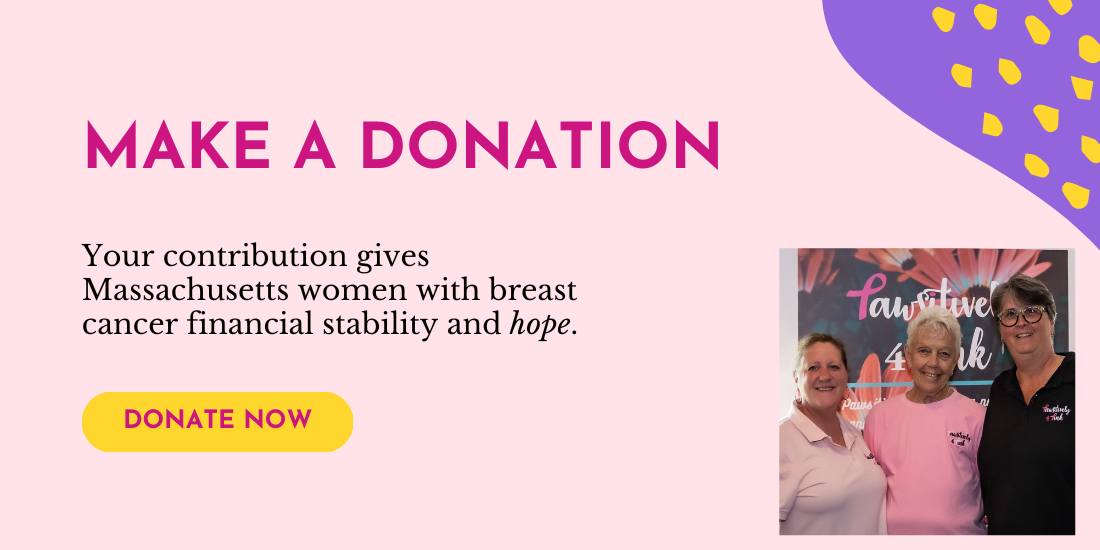
In Worcester, MA, Pawsitively4Pink embodies the spirit of compassionate support for breast cancer patients. Through the infusion of positive messages and a commitment to both emotional and financial assistance, this nonprofit stands as a pillar of strength in the community. You can help support P4P if you live in Massachusetts by joining us at our next event or volunteering with us. Together, we can be the positive force that lights the path towards healing and hope.

Supporting Hispanic Communities during Breast Cancer Awareness Month
At Pawsitively 4 Pink, we recognize the significance of October, not just as Breast Cancer Awareness Month, but also as Hispanic Heritage Month. This, together with the uplifting and inspiring stories of Hispanic women we’ve helped, inspires us to shed light on how Hispanic individuals in Massachusetts can access vital financial assistance during their breast cancer journey.

Breast Cancer Awareness Month: A Universal Cause
Breast Cancer Awareness Month knows no borders, touching lives around the world: breast cancer is one of the most common types of cancer globally, and poses an important challenge to every woman who receives a diagnosis. This October, we underscore the importance of inclusivity towards Latin American immigrants, who deserve access to financial support just like anybody else when confronted with this challenging journey.
Overcoming Unique Challenges
Latin American immigrants often face unique obstacles when seeking financial help for breast cancer. Language barriers and limited healthcare access are hurdles they must navigate, and being able to afford breast cancer treatment becomes one of the biggest concerns. It is our goal to break down these barriers and ensure that they can access the support they need. Statistically, Hispanic women are less likely to get a breast cancer diagnosis in the early stages of the illness, due to a lack of screening. Moreover, Hispanic women with breast cancer have a lower survival rate: they are 30% more likely to die from the illness compared to white American women.

Pawsitively 4 Pink's Dedication
As a breast cancer non profit, we do everything in our power to help underserved women with breast cancer. For example, we offer breast cancer financial grants, emotional support dogs, we host fundraising events, and even provide assistance with transportation to medical appointments. Our belief is that every person deserves comprehensive healthcare when diagnosed with breast cancer. For this reason, we are committed to helping Hispanic women receive the treatment they need. We have experience serving many Hispanic women who only speak Spanish and finding ways to bridge the gap between languages, making sure that no one who seeks help through P4P is left behind.
Steps for Hispanic Individuals to Find Financial Support for Breast Cancer
- Research online for inclusive healthcare providers: Start your search by looking for healthcare providers in your area who are committed to inclusivity. While the focus here is on breast cancer, healthcare providers that prioritize inclusivity often create welcoming environments for all patients.
- Seek recommendations from your community: Rely on your community to guide your search. Reach out to friends, family, and members of Hispanic communities and inquire about their experiences with healthcare providers. Personal recommendations provide invaluable insights into doctors who are supportive, knowledgeable, and open to providing comprehensive care.
- Schedule consultations: Once you've identified potential doctors or healthcare providers, schedule consultations. These meetings are an opportunity to discuss your concerns, medical history, and ask questions. Pay attention to their responses and attitude, ensuring they are knowledgeable and respectful.
- Trust your instincts: No matter what you read or hear, always trust your instincts when choosing a healthcare provider. Comfort and trust in your doctor are essential for establishing a strong patient-provider relationship.
Remember: healthcare, including breast cancer care, is your right. You deserve healthcare professionals who listen to you, respect your choices, and address your concerns with empathy and understanding.
At Pawsitively 4 Pink, our mission is to provide financial support to local underserved women battling breast cancer. If you're passionate about helping these women, consider exploring volunteer opportunities. If you're facing a breast cancer diagnosis and need financial help, please reach out to us!

This October, we commemorate Hispanic Heritage Month and Breast Cancer Awareness Month, advocating for inclusivity and support for all. Together, we can make a difference in the lives of those affected by breast cancer, no matter their nationality or heritage.

Celebrating Bisexual Visibility Month
September isn’t just the beginning of fall here in Worcester, MA, it’s also known globally as Bisexual Visibility Month. This month-long celebration is all about honoring and uplifting the individuals who find themselves somewhere on the spectrum of bisexuality. Whether you're bisexual yourself or an ally, bisexuality has a long history and deserves to be recognized. Recognition is a form of celebration and encourages others to learn about the history of bisexuality and important bisexual men and women current day and historically.
Bi Visibility Month: A History
Bisexual Visibility Month, also known as Bisexual Awareness Month, has its roots in LGBTQ+ activism. September became officially recognized as Bi Visibility Month in 1999, thanks to the tireless efforts of Wendy Curry, Gigi Raven Wilbur, and other change-making LGBTQ+ activists. Officially, Bisexual Visibility Day is celebrated every year on September 23rd.
The purpose of celebrating bisexuality for the month was simple yet profound: to shine a spotlight on bisexuality and to combat the stigma and stereotypes surrounding it. By devoting a whole month to celebrating and raising awareness about bisexuality, activists hope to ensure that everyone feels seen, heard, and respected. Read more in-depth about the history of bisexuality and the individuals who worked hard to be seen and heard.
So… What is Bi Visibility Month, Exactly?
Bi Visibility Month is a time to celebrate, educate, and advocate for the bisexual community. Historically, bisexuality has been widely misunderstood or written off entirely, leading to harmful stereotypes and erasure of bisexual identity and individuals. Dedicating the month of September to bisexual awareness provides a platform to debunk myths and foster understanding. Simply put, it’s all about letting people know that bisexuality is valid and that love knows no gender boundaries.
The Importance of Bisexual Visibility
LGBTQ+ activists envisioned a world in which everyone would be able to love who they love and suffer no discrimination, violence, or hate. Celebrating bisexual visibility every September is about creating a world where every bisexual individual feels safe to express themselves and their love, and is ultimately accepted and cherished for who they are.
Visibility matters because it helps combat biphobia and fosters inclusivity. When bisexual individuals see themselves not only acknowledged but represented and celebrated, it leads to increased self-acceptance and a sense of belonging. On the surface, this may seem simple, but cultivating these positive feelings actually leads to diminished experiences of depression and self-harm in the LGBTQ+ community. Bi Visibility Month is a step toward reducing mental health disparities in the bisexual community and improving overall well-being, physically and emotionally.
 Everyone Benefits
 Everyone Benefits
Bisexual Visibility Month isn't just for the bisexual community; it's for everyone. Below are a few reasons that Bisexual Visibility Month is crucial in our communities:
Education and Awareness: By learning about bisexuality, schools, workplaces, and families are able to break down stereotypes and prejudices. This knowledge can lead to more inclusive and accepting communities. Learn more about bisexuality.
Support and Allyship: Celebrating Bisexual Visibility Month shows support for the bisexual community, making bisexual individuals feel valued, seen, and understood. Gain a deeper understanding of cultivating allyship.
Intersectionality: Bisexuality intersects with other aspects of identity, such as race, gender, and disability. Recognizing and celebrating this diversity promotes a more inclusive society and ensures the support of each and every individual. Read more about intersectionality.
Mental Health: As we mentioned earlier, increased visibility improves the mental health and well-being of bisexual individuals. A happier, healthier community benefits us all.
 How To Get Involved
Celebrating Bisexual Visibility Month is all about participating to make a difference in our communities. Here are some ways to get involved…
Educate Yourself: Take the time to learn about bisexuality, its history, and the challenges bisexual individuals face.
Show Your Support: Attend local events, engage with social media campaigns, and wear purple, the official color of Bisexual Visibility Month.
Amplify Bisexual Voices: Share articles, books, and art created by bisexual individuals. Give them a platform to share their experiences, and don’t forget to listen!
Donate: Consider donating to organizations that support the LGBTQ+ community.
 Attend Inclusive Events
 Attend Inclusive Events
Celebrating Bi Visibility Month involves heightened awareness and learning, but it should also involve fun!
We are excited to share that we have a fantastic event lined up for the beginning of October, Breast Cancer Awareness Month! At Pawsitively 4 Pink, we have created an incredibly supportive and inclusive community centered around supporting local Worcester women battling breast cancer. Our events bring locals together to raise money for local underserved women so that we can make a direct financial impact on their lives. Join us on October 7th for our "Rhythm 4 Ribbons" event. We'll be hosting some incredible live music and local food trucks. This is a fantastic opportunity to connect in a safe, supportive environment and aid a worthy cause!
If you can’t make it to Rhythm 4 Ribbons, don’t worry - there are more events on the way! If you’re interested in getting involved in Pawsitively 4 Pink by hosting a percentage night or volunteering, please don’t hesitate to reach out! Or, support Worcester women fighting breast cancer with a direct donation. Every dollar makes a difference!

A Guide to Mammograms: What Age Do Mammograms Start, What Are Mammograms Like, and More
Firstly, we want to congratulate you on doing the necessary research to be ready for your mammogram! Yes, getting a mammogram for the first time is intimidating, but if you've successfully scheduled and overcome a pap smear, you are capable of anything.
Mammograms are used to detect early signs of breast cancer. Breast cancer is most treatable in its early stages, which is why preventative checks are so crucial for women. Mammograms are similar to getting an X-ray of your breast tissue. They allow doctors to physically see inside breasts to check out what, exactly, is happening in there. They're especially useful because they really give the doctor everything they need to know - these days, mammograms capture even the most minute details, so they're highly effective. Trust us, scheduling a mammogram is worth every woman's time.
So, what's the difference between a mammogram and an ultrasound?
An ultrasound uses high-frequency sound waves that bounce off the tissues within our bodies, which a computer then converts to an image.
A mammogram, on the other hand, is a low-dose version of an X-ray, which is why metal plates are needed during the procedure. The electrodes released during the mammogram have to bounce off the surrounding metal to capture the image of the mammogram, showing healthcare providers any breast cancer or other breast diseases present. Sometimes, both mammograms and ultrasounds are used in tandem to help the doctor understand what is going on within the breast.
Ultrasounds are not a replacement for mammograms of breast cancer, but aid doctors in checking any abnormal areas found in patients with mammograms of dense breast tissue. They are used in addition to a mammogram, but never replace one entirely!
Nowadays, doctors will decide to administer one of three types of mammograms: film-screen mammography, digital mammography in 2D, and digital mammography in 3D.
What is digital mammography in 2D?
This practice takes two images of each breast and uses them to create a 2D image of each. It was standard practice until 2011.
What is digital mammography in 3D?
Also known as digital breast tomosynthesis, digital tomosynthesis, or just tomosynthesis, 3D digital mammography uses several images of each breast to create a detailed 3D image of the breast. This has become standard care for breast cancer after gaining approval from the FDA in 2011. Studies show that 3D digital mammography finds more cancers than the traditional 2D method and gives fewer false positives.
What is film-screen mammography?
This type of mammogram produces black-and-white images on film, takes a little more time to create, and was more commonly administered in the past.

What's the age of the first mammogram in the U.S.?
The United States Preventative Services Taskforce recommends that women begin to regularly schedule screening mammograms at the age of 40. After, mammograms should be scheduled every one to two years for a breast check-up if there are no symptoms found.
When should I begin self-examining my breasts?
This is another crucial preventative step! And it's a quick and simple process. Young women should begin self-examining their breasts as soon as they mature and their breasts stop growing, or around the age of 20. Read through this helpful guide on how to self-examine your breasts.
When women examine their breasts regularly beginning at a young age, they are more likely to discover any irregularities or changes before they develop into something more serious. Self-examination is another fantastic preventative practice all young women should include in their weekly schedules.
Waiting until the week after your period to conduct self-examinations is recommended to avoid any pain or abnormalities caused by hormone fluctuations and swelling.
When self-examining breasts, always look out for:
- Lumps that are new, growing, or changing shape.
- Swelling or thickening of a certain area or part of the breast or armpit.
- Nipple abnormalities like reddening, flaking, pulling in, or discharge.
- Pain that is sudden, irregular, or creates constant discomfort.
- Changes in size that are sudden or seem out-of-the-blue, unrelated to hormonal fluctuations or periods.
If you discover any of these symptoms of breast cancer, reach out to your doctor or schedule a diagnostic mammogram with a doctor near you to check your breasts as soon as possible.
Take a closer look at mammogram screening guidelines.
So, whether it's your first time getting a mammogram at age 40 or taking preventative steps and scheduling a diagnostic mammogram early,:
 Here's Our Step-by-Step Guide to Your First Mammogram
 Here's Our Step-by-Step Guide to Your First Mammogram
Schedule a Mammogram Appointment:
- Ask your doctor or do some research to find a reputable mammography facility or clinic in your area.
- Call or register online to schedule an appointment.
- Make sure they specialize in mammograms and have qualified radiologists!
Timing:
- Avoid scheduling the appointment during the week before your period when your breasts may be more sensitive. Although mammograms are not invasive, pressure is applied to the breast which can create discomfort.
Clothing and Comfort:
- We recommend wearing a two-piece outfit, as you'll need to undress from the waist up.
- Avoid wearing deodorant, lotions, or powders on your upper body, as they can interfere with the imaging.
Communicate and Share:
- Sharing your medical history, prior surgeries, or family history of breast cancer can help doctors provide the best care.
- Always inform the technician if you have breast implants or have had any breast-related procedures or concerns.
How long do mammograms take?
- Roughly 20 minutes!
- You'll be asked to undress from the waist up and will be given a gown to wear during the procedure.
The Procedure:
- First, the technician will position your breast between two metal plates on the mammography machine.
- Then, the plates will compress your breast for a few seconds to get the clearest images. While it may feel uncomfortable or slightly painful, it shouldn't be overly painful. Communicate any discomfort you feel to the technician.
- Because mammograms usually involve two images of each breast taken from different angles, the technician may reposition your breast between images.
After the Procedure:
- Once the images are taken, you'll be asked to wait while the technician ensures the images they captured are high-quality.
- Once the quality of the images is confirmed, you can get dressed.
Some women may experience mild bruising or temporary discomfort. This should subside quickly.
How long does it take to get mammogram test results?
- You'll receive your results within a few weeks after your radiologist interprets your mammogram and sends the results to your healthcare provider.
Don't panic if you're called back for additional tests, as most callbacks do not indicate breast cancer.
What to Do Before and After a Mammogram:
- Stay relaxed and take deep breaths before the procedure - always communicate discomfort and pain to your doctor!
- Follow all instructions given to you by the mammography facility.
- Afterward, continue to schedule regular mammogram screenings as recommended by your healthcare provider.
- Know your mammogram schedule and never skip routine screenings.
What Not to Do Before and After a Mammogram:
- Don't wear metallic accessories or clothing items, as they interfere with the mammogram images.
- Try not to schedule your mammogram at a time when your breasts are likely to be sore or swollen to avoid discomfort.
- Don't be afraid to ask questions and voice any concerns to your technician or radiologist.
We hope this guide on how to prepare for your first mammogram helps; that's what we're here for! At Pawsitively 4 Pink, our passion is providing direct financial support for local, underserved women fighting breast cancer. Please contact us to find out more about ways to help, or donate directly.