

A Guide to Mammograms: What Age Do Mammograms Start, What Are Mammograms Like, and More
Firstly, we want to congratulate you on doing the necessary research to be ready for your mammogram! Yes, getting a mammogram for the first time is intimidating, but if you've successfully scheduled and overcome a pap smear, you are capable of anything.
Mammograms are used to detect early signs of breast cancer. Breast cancer is most treatable in its early stages, which is why preventative checks are so crucial for women. Mammograms are similar to getting an X-ray of your breast tissue. They allow doctors to physically see inside breasts to check out what, exactly, is happening in there. They're especially useful because they really give the doctor everything they need to know - these days, mammograms capture even the most minute details, so they're highly effective. Trust us, scheduling a mammogram is worth every woman's time.
So, what's the difference between a mammogram and an ultrasound?
An ultrasound uses high-frequency sound waves that bounce off the tissues within our bodies, which a computer then converts to an image.
A mammogram, on the other hand, is a low-dose version of an X-ray, which is why metal plates are needed during the procedure. The electrodes released during the mammogram have to bounce off the surrounding metal to capture the image of the mammogram, showing healthcare providers any breast cancer or other breast diseases present. Sometimes, both mammograms and ultrasounds are used in tandem to help the doctor understand what is going on within the breast.
Ultrasounds are not a replacement for mammograms of breast cancer, but aid doctors in checking any abnormal areas found in patients with mammograms of dense breast tissue. They are used in addition to a mammogram, but never replace one entirely!
Nowadays, doctors will decide to administer one of three types of mammograms: film-screen mammography, digital mammography in 2D, and digital mammography in 3D.
What is digital mammography in 2D?
This practice takes two images of each breast and uses them to create a 2D image of each. It was standard practice until 2011.
What is digital mammography in 3D?
Also known as digital breast tomosynthesis, digital tomosynthesis, or just tomosynthesis, 3D digital mammography uses several images of each breast to create a detailed 3D image of the breast. This has become standard care for breast cancer after gaining approval from the FDA in 2011. Studies show that 3D digital mammography finds more cancers than the traditional 2D method and gives fewer false positives.
What is film-screen mammography?
This type of mammogram produces black-and-white images on film, takes a little more time to create, and was more commonly administered in the past.

What's the age of the first mammogram in the U.S.?
The United States Preventative Services Taskforce recommends that women begin to regularly schedule screening mammograms at the age of 40. After, mammograms should be scheduled every one to two years for a breast check-up if there are no symptoms found.
When should I begin self-examining my breasts?
This is another crucial preventative step! And it's a quick and simple process. Young women should begin self-examining their breasts as soon as they mature and their breasts stop growing, or around the age of 20. Read through this helpful guide on how to self-examine your breasts.
When women examine their breasts regularly beginning at a young age, they are more likely to discover any irregularities or changes before they develop into something more serious. Self-examination is another fantastic preventative practice all young women should include in their weekly schedules.
Waiting until the week after your period to conduct self-examinations is recommended to avoid any pain or abnormalities caused by hormone fluctuations and swelling.
When self-examining breasts, always look out for:
- Lumps that are new, growing, or changing shape.
- Swelling or thickening of a certain area or part of the breast or armpit.
- Nipple abnormalities like reddening, flaking, pulling in, or discharge.
- Pain that is sudden, irregular, or creates constant discomfort.
- Changes in size that are sudden or seem out-of-the-blue, unrelated to hormonal fluctuations or periods.
If you discover any of these symptoms of breast cancer, reach out to your doctor or schedule a diagnostic mammogram with a doctor near you to check your breasts as soon as possible.
Take a closer look at mammogram screening guidelines.
So, whether it's your first time getting a mammogram at age 40 or taking preventative steps and scheduling a diagnostic mammogram early,:
 Here's Our Step-by-Step Guide to Your First Mammogram
 Here's Our Step-by-Step Guide to Your First Mammogram
Schedule a Mammogram Appointment:
- Ask your doctor or do some research to find a reputable mammography facility or clinic in your area.
- Call or register online to schedule an appointment.
- Make sure they specialize in mammograms and have qualified radiologists!
Timing:
- Avoid scheduling the appointment during the week before your period when your breasts may be more sensitive. Although mammograms are not invasive, pressure is applied to the breast which can create discomfort.
Clothing and Comfort:
- We recommend wearing a two-piece outfit, as you'll need to undress from the waist up.
- Avoid wearing deodorant, lotions, or powders on your upper body, as they can interfere with the imaging.
Communicate and Share:
- Sharing your medical history, prior surgeries, or family history of breast cancer can help doctors provide the best care.
- Always inform the technician if you have breast implants or have had any breast-related procedures or concerns.
How long do mammograms take?
- Roughly 20 minutes!
- You'll be asked to undress from the waist up and will be given a gown to wear during the procedure.
The Procedure:
- First, the technician will position your breast between two metal plates on the mammography machine.
- Then, the plates will compress your breast for a few seconds to get the clearest images. While it may feel uncomfortable or slightly painful, it shouldn't be overly painful. Communicate any discomfort you feel to the technician.
- Because mammograms usually involve two images of each breast taken from different angles, the technician may reposition your breast between images.
After the Procedure:
- Once the images are taken, you'll be asked to wait while the technician ensures the images they captured are high-quality.
- Once the quality of the images is confirmed, you can get dressed.
Some women may experience mild bruising or temporary discomfort. This should subside quickly.
How long does it take to get mammogram test results?
- You'll receive your results within a few weeks after your radiologist interprets your mammogram and sends the results to your healthcare provider.
Don't panic if you're called back for additional tests, as most callbacks do not indicate breast cancer.
What to Do Before and After a Mammogram:
- Stay relaxed and take deep breaths before the procedure - always communicate discomfort and pain to your doctor!
- Follow all instructions given to you by the mammography facility.
- Afterward, continue to schedule regular mammogram screenings as recommended by your healthcare provider.
- Know your mammogram schedule and never skip routine screenings.
What Not to Do Before and After a Mammogram:
- Don't wear metallic accessories or clothing items, as they interfere with the mammogram images.
- Try not to schedule your mammogram at a time when your breasts are likely to be sore or swollen to avoid discomfort.
- Don't be afraid to ask questions and voice any concerns to your technician or radiologist.
We hope this guide on how to prepare for your first mammogram helps; that's what we're here for! At Pawsitively 4 Pink, our passion is providing direct financial support for local, underserved women fighting breast cancer. Please contact us to find out more about ways to help, or donate directly.

Health Care For Gays: Finding Inclusive Care for LGBTQ+
Here at Pawsitively 4 Pink, Pride month is a big deal! We wanted to help celebrate by spreading important info about finding supportive and comprehensive healthcare and health care professionals who are supportive of LGBTQ+ individuals.
Anyone who has searched for a doctor knows how hard finding a high-quality professional can be - and that only gets exponentially more difficult when searching for an even smaller pool of healthcare professionals who have experience working with the LGBTQ+ community. Finding a doctor who is not only knowledgeable about specific needs but also supportive and open-minded is crucial to the patient's overall well-being.
A good, comprehensive, and open doctor is crucial as they provide the necessary care and create a safe space for patients to discuss their concerns without fear of judgment or discrimination. At Pawsitively 4 Pink we believe deeply that each and every person deserves adequate and complete health care no matter their sexuality or financial status, especially the women we serve who are diagnosed with breast cancer. Below are steps LBTQ+ individuals can take to find the doctor and care they deserve.
1. Look for Clues Online LGBTQ+ Friendly Health Care Providers:
Start by researching healthcare providers in your area who explicitly state their commitment to LGBTQ+ inclusivity. This may be harder in some states than others, of course. Look for clinics, hospitals, or individual doctors who have affirming policies stated on their websites or have been recommended by LGBTQ+ organizations or community members. Check your surrounding area for women health care centers. Online directories like the Gay and Lesbian Medical Association (GLMA) or LGBTQ+ health advocacy groups are valuable resources to find gay and lesbian-friendly doctors.
If it's unclear whether or not a provider or center is LBGTQ+ friendly, it's a great idea to make an anonymous call and ask whether or not the center sees LGBTQ+ patients on a regular basis or has gender-affirming spaces. The way staff answers these inquiries will provide even more clues as to whether or not this space is right for you.
 2. Seek Out Recommendations:
 2. Seek Out Recommendations:
Rely on the community to help guide your search. Reach out to friends, family, or members of LGBTQ+ communities and ask them about their experiences with healthcare providers. Personal recommendations provide invaluable insights into which doctors who are knowledgeable, supportive, and open to providing inclusive health care for gays and other LGBTQ+ individuals.
Crucially, your community will also steer clear of noninclusive or downright non-affirming providers. Consider joining local LGBTQ+ support groups or online forums on sites like Facebook groups or Reddit to connect with individuals and learn from others' experiences.
3. Schedule a Consultation:
Once you have identified potential doctors, schedule consultations or introductory appointments with your top choices. Use this opportunity to advocate for yourself by discussing your concerns, personal medical history, and asking questions.
Based on the provider's response, you will be able to quickly gauge their understanding of LGBTQ+ healthcare. Pay attention to their responses or hesitations, body language, and overall attitude toward your inquiries to ensure they are knowledgeable and respectful. A good doctor will be open to learning and willing to adapt their practices to meet your unique needs and concerns.
For urgent questions, resources like Roo, a chatbot released by Planned Parenthood, are a great starting point for those who can't get to a doctor immediately.
4. Consider Specializations:
 4. Consider Specializations:
While general practitioners provide primary care, it's worthwhile to consider seeking specialists who have expertise in LGBTQ+ healthcare or specifically women's health. They are sure to have an even deeper understanding of the specific health challenges faced by LBTQ+ women. This would be especially beneficial for someone struggling with long-term health issues, chronic illnesses, or even breast cancer.
5. Trust Yourself:
No matter what you read or hear, always trust your gut when choosing a doctor. Finding comfort and trust in your health care provider is essential for establishing a strong doctor-patient relationship. If you have hesitations towards your doctor, you may not tell them the full story 100% of the time, which in turn has the potential to cause inadequate care.
If you feel uneasy or judged during your initial consultation, it is a sign that this doctor is not the right fit for you. Do not give up! There are plenty of doctors out there, so schedule multiple consultations to give yourself a few different options to consider. Each doctor will be able to provide something unique, and it's only a matter of time before you find the right one for you.
Remember: Health care for gays and LBTQ+ individuals is your right! You deserve a healthcare professional who listens to you, respects your choices, and addresses your concerns with empathy and understanding.
That's what we're all about: Providing financial support to local underserved women battling breast cancer. If you're passionate about helping women, get in touch to explore volunteer opportunities. Or, if you're struggling with a breast cancer diagnosis, please join our support group.

Staying PAWsitive During a Difficult Time
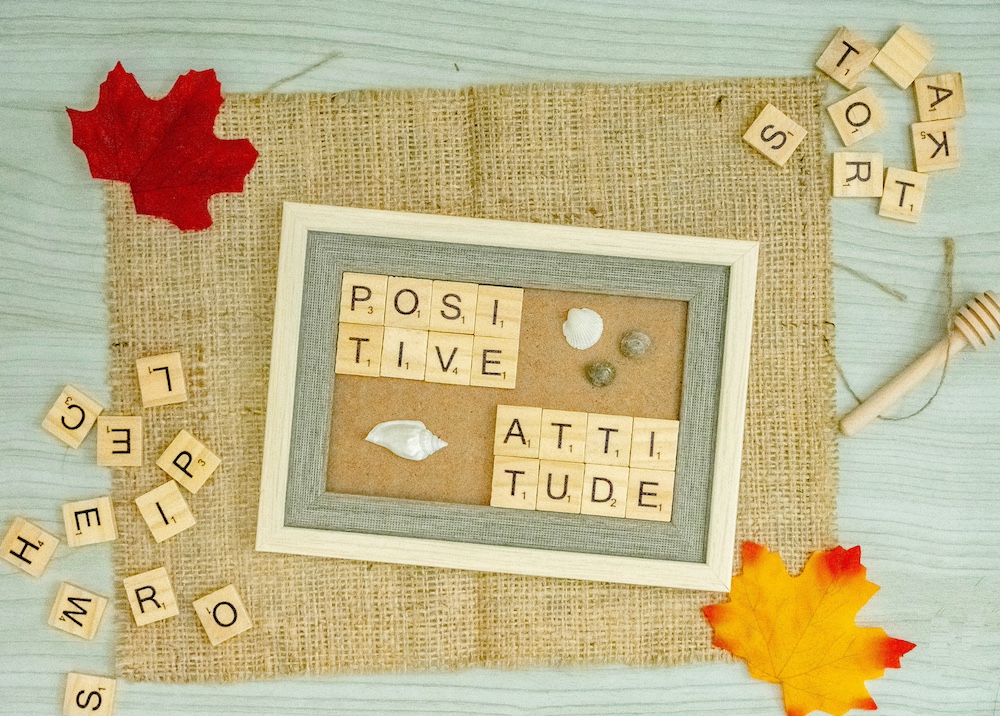
Tips for Maintaining a Positive Attitude
It's often said that hard times don't last, but the question is, how can you overcome those hard times? How can you get to the place of celebrating your resilience? When the present moment isn't ideal, staying positive during a difficult time isn't easy.
First and foremost, you need to understand that difficult times do occur in life. Once you accept that fact, then you can deal with any situation head-on. If you are having difficulties financially, socially, or in terms of health, here are a few ways to help you stay positive during this difficult time until you reach the finish line.
1. Guard your mind
You are what you think. Therefore, you should filter any negative thoughts before they take up residence in your mind. It's true that when something negative occurs in our lives, we are wired to get bombarded with negative thoughts, and unfortunately, this is very normal. But the issue isn't those negative thoughts. The issue is how long you will let them drag you down. Choose to see the positive side of things. See yourself making it. Do not focus on the event, focus on the process of getting out of there. Having a positive mindset can make a world of a difference.
2. Meditate
Different kinds of meditation can help you maintain a positive mindset. One method of meditation is to focus on what improves your attitude, feelings, and healing. You can even create your own personal mantra. Say something positive every morning when you wake up. Think of one thing that you can focus on and think through it with no stress or tension. You can think about your favorite memories and hold on to them. The same energy you use to focus on negative things is the same amount of energy you can use to focus on the positive. Being intentional about the energy you create around yourself is essential to staying positive. Focusing on the positive is energy conservation and can drastically improve your mental health.

3. Keep a gratitude journal
Gratitude is the antidote to a poor attitude. The best way to continually express your gratitude is by keeping a journal. Be mindful about being grateful and find something to be thankful for each day. This way, you will give less power to negative emotions. Your mind will be programmed to think on the positive side of things. Your self-esteem will improve and instead of resenting your difficult situation, you will be thankful for something. Spending some time writing down your thoughts before you go to bed will also help you sleep better as your mind will be clear of any clutter.
4. Listen to some good music
Difficult times should not stop you from enjoying the best or your favorite things in life. Music is one of these things and all you need to do is tune in to your favorite radio station or open up that Spotify playlist. Music helps you express your feelings unashamedly. According to research, music can evoke a more positive mood. You can roar like a tiger with Katy Perry or become a survivor with Diana Ross. And if a sad song comes on air? Go through the motions, cry all the tears you want, and clear your system. After that, hold your head up high, stay positive, and keep going, because you got this.
5. Spend time with loved ones
You are the average sum of the people who you spend the most time with. So, invest your time appropriately. Think of those friends and family members who make you smile when you are feeling down. These people could be anywhere in the world, but they want to be around you. This is the support system you need since you can be your genuine self around them. Share with them, talk with them, rant, or even be silent with them. These are friends who inspire you to be courageous and spending time with such people improves your attitude and positive outlook on life. Your mind will absorb all this positivity and use it as an immune booster. Plus, such close friends are also good at ensuring you take care of yourself, even during the hardest times when you don't feel like it.
6. Enjoy more of the sun
It's a well-known fact that spending too much time in the sun is dangerous. However, there is also evidence that spending moderate time under the sun is good for your mood and body clock. Apply that SPF and enjoy some time soaking in the rays and getting some Vitamin D. This will not only help you sleep better and improve your circadian rhythm, but it will also cheer you up. It's been proven that getting sun increases your serotonin which helps with anxiety and depression. Next time you have a few minutes, go for a walk, plan a picnic, or sit in the garden to help improve your mood and positive thinking.

7. Take a walk with your PAWsitive friend
Why not get fit and have fun while doing it? Daily walks with your dog (or cat, if they want) are a great way to take your mind off things. Going on regular walks with your dog is a form of exercise that will not only benefit your physical health like your joints and muscles but will help you get your mind off things. Be present and take in the sights and sounds. Simply establish a routine to make it part of your daily life. At times you may not feel like going for a walk, but whether it's with the help of your dog with those puppy eyes or a glance at your daily agenda, remind yourself that a little exercise and some pet therapy can do you some good.
8. Do something nice for others
Do something for someone when they least expect it. Say a kind word or offer them some tea or baked treats. Putting a smile on someone's face makes us feel alive and of course, makes us happier too. You get to feel that you are of value. Being kind to others creates a feeling of purpose and eliminates isolation. By doing this you will have a different perspective on life. Instead of focusing on your difficulty, you will focus on how to make the world a better place.
Always remember that you will always win with a positive attitude. This is what will change your will and let you blossom. Positive energy and thinking will help you overcome whatever difficulties come your way. Smile, laugh, cry but through it, all, remain strong because there is always sunshine after the rain.
If you want to help the women in our community stay PAWsitive in the face of breast cancer, make sure to check out our volunteer opportunities and, if you can, donate to our cause. We appreciate every single one of your kind gestures!

8 Healthy Recipes for Breast Cancer Patients
It is no secret that diet and nutrition play a vital role in cancer prevention and treatment. Eating healthy food helps boost the immune system, reduce inflammation, and fight off infection. Many times during cancer treatment, patients lose their appetite and energy, putting them at risk of malnutrition. Wondering what foods to eat for breast cancer patients? First and foremost, it's important to try and maintain weight, regain energy, and heal.

There are many different dietary approaches that breast cancer patients can take to help improve their health. Some choose to follow a plant-based diet, while others opt for a high-calorie, high-protein diet to gain strength or gain weight.
Whatever approach you choose, it is important to include plenty of healthy and nutritious foods in your diet. We also recommend seeking guidance from a nutritionist for recommendations based on your specific case and cancer treatment. Here are 8 healthy recipes that are both nutritious and delicious and can help with a well-balanced diet:

1. Quinoa Salad with Roasted Vegetables
This colorful salad is packed with nutrients and antioxidants. Quinoa is a good source of protein and fiber, while roasted vegetables provide a host of vitamins and minerals, making this dish a good recipe for cancer patients.
Ingredients:
- 1 cup quinoa
- 1 roasted red pepper
- 1 roasted yellow pepper
- 1/2 roasted eggplant
- 1/4 cup chopped parsley
- 1/4 cup chopped mint
- 2 tablespoons olive oil
- 1 tablespoon lemon juice
- Salt and pepper to taste
Instructions:
- Preheat the oven to 375 degrees F.
- Rinse the quinoa in a fine-mesh strainer.
- In a large bowl, mix the quinoa, roasted peppers, eggplant, parsley, mint, olive oil, lemon juice, salt, and pepper.
- Transfer to a baking dish and bake for 20-25 minutes, or until the quinoa is cooked through.

2. Lentil and Quinoa Stew
This hearty stew is perfect for cold days or if you're in need of some comfort food. Lentils are a good source of protein and fiber, while quinoa is a complete protein source containing all nine essential amino acids.
Ingredients:
- 1/2 cup green lentils
- 1/2 cup red lentils
- 1/2 cup quinoa
- 1 large onion, chopped
- 3 cloves garlic, minced
- 1 teaspoon cumin
- 1 teaspoon ground coriander
- 1 teaspoon turmeric
- 2 cups vegetable broth
- 1 can (14.5 ounces) diced tomatoes, undrained
- 1/2 cup chopped fresh cilantro
Instructions:
- In a large pot, combine lentils, quinoa, onion, garlic, cumin, coriander, turmeric, and vegetable broth.
- Bring to a boil over high heat. Reduce the heat to low and simmer for 30 minutes, or until lentils and quinoa are cooked through.
- Stir in diced tomatoes and cilantro and serve warm.

3. Black Bean Burrito Bowls
If you're looking to add a little variety to your healthy diet, this meal is for you. This vegan dish is packed with fiber and protein. Black beans are an excellent source of both, while brown rice provides complex carbohydrates and essential vitamins and minerals.
Ingredients:
- 1 cup cooked brown rice
- 1 can (15 ounces) black beans, drained and rinsed
- 1/2 cup chopped red onion
- 1/4 cup chopped fresh cilantro
- 1 tablespoon lime juice
- 1 teaspoon chili powder
- Salt and pepper to taste
Instructions:
- In a large bowl, combine cooked brown rice, black beans, red onion, cilantro, lime juice, chili powder, and salt and pepper to taste.
- Serve in individual bowls and enjoy!

4. Roasted Butternut Squash Soup
This creamy soup is packed with vitamins and minerals that are just what your body needs. Butternut squash is an excellent source of beta-carotene, while carrots and sweet potatoes provide additional vitamins and minerals.
Ingredients:
- 1 large butternut squash, peeled, seeded, and cubed
- 2 carrots, peeled and chopped
- 1 large sweet potato, peeled and cubed
- 1 onion, chopped
- 4 cloves garlic, minced
- 3 cups vegetable broth
- 1 cup milk
- Salt and pepper to taste
Instructions:
- Preheat the oven to 375 degrees F.
- In a large roasting pan, combine butternut squash, carrots, sweet potato, onion, and garlic.
- Roast for 30-35 minutes, or until vegetables are tender.
- In a blender, puree roasted vegetables with vegetable broth, milk and salt, and pepper to taste.
- Serve warm and enjoy!

5. Curried Chickpea Stew
A twist on a classic stew, this one adds a little extra flavor while also providing the nutrition you need. Chickpeas are a good source of protein and fiber, while veggies provide a host of vitamins and minerals.
Ingredients:
- 1 tablespoon olive oil
- 1 onion, chopped
- 3 cloves garlic, minced
- 1 tablespoon grated ginger
- 1 teaspoon ground cumin
- 1 teaspoon ground coriander
- 1 teaspoon turmeric
- 1/2 teaspoon ground cinnamon
- 1/4 teaspoon cayenne pepper
- 1 can (15 ounces) chickpeas, drained and rinsed
- 1 can (14.5 ounces) diced tomatoes, undrained
- 1 cup water
- Salt and pepper to taste
Instructions:
- In a large pot, heat olive oil over medium heat. Add onion, garlic, ginger, cumin, coriander, turmeric, cinnamon, and cayenne pepper and stir well.
- Cook for 3-4 minutes, or until spices are fragrant.
- Add chickpeas, diced tomatoes, and water. Bring to a boil over high heat. Reduce the heat to low and simmer for 30 minutes, or until chickpeas are cooked through.
- Season with salt and pepper to taste and serve warm.

6. Quinoa Veggie Bowls
These hearty bowls are perfect for a quick and easy meal. Quinoa is a complete protein source, while veggies provide essential vitamins and minerals.
Ingredients:
- 1 cup cooked quinoa
- 1/2 cup chopped broccoli
- 1/2 cup chopped cauliflower
- 1/4 cup chopped red onion
- 1/4 cup chopped fresh parsley
- 1 tablespoon olive oil
- Salt and pepper to taste
Instructions:
- In a large bowl, combine cooked quinoa, broccoli, cauliflower, red onion, parsley, and olive oil. Season with salt and pepper to taste.
- Serve in individual bowls and enjoy!

7. Lentil Quinoa Salad
This hearty salad is perfect for a light lunch or dinner. Lentils are a good source of protein and fiber, while quinoa provides essential vitamins and minerals. The veggies add a host of antioxidants and phytochemicals.
Ingredients:
- 1 cup cooked quinoa
- 1 cup cooked lentils
- 1/2 cup chopped red bell pepper
- 1/2 cup chopped yellow bell pepper
- 1/4 cup chopped red onion
- 1 clove garlic, minced
- 1/4 cup freshly squeezed lemon juice
- 3 tablespoons olive oil
- Salt and pepper to taste
Instructions:
- In a large bowl, combine cooked quinoa, cooked lentils, bell peppers, red onion, garlic, lemon juice, and olive oil. Season with salt and pepper to taste.
- Serve in individual bowls or on a bed of greens. Enjoy!

8. Kale and White Bean Soup
This nutrient-rich soup is perfect for a quick and easy meal. Kale is an excellent source of vitamins A, C, and K, while white beans provide protein and fiber.
Ingredients:
- 1 tablespoon olive oil
- 1 onion, chopped
- 3 cloves garlic, minced
- 1 tablespoon grated ginger
- 1 teaspoon ground cumin
- 1 teaspoon ground coriander
- 1 teaspoon turmeric
- 1/2 teaspoon ground cinnamon
- 1/4 teaspoon cayenne pepper
- 4 cups vegetable broth
- 1 can (15 ounces) white beans, drained and rinsed
- 2 cups chopped kale
- Salt and pepper to taste
Instructions:
- In a large pot, heat olive oil over medium heat. Add onion, garlic, ginger, cumin, coriander, turmeric, cinnamon, and cayenne pepper and stir well.
- Cook for 3-4 minutes, or until spices are fragrant.
- Add vegetable broth and white beans. Bring to a boil over high heat. Reduce the heat to low and simmer for 30 minutes.
- Add kale and cook for 5-10 minutes, or until wilted. Season with salt and pepper to taste and serve warm.

9. Extra Recipe: Black Bean Brownies
Brownies don't always have to be just full of sugar! One of our favorite healthy recipes is for these fudgy brownies; it's a delicious way to get your protein and fiber. Black beans provide essential nutrients, while chocolate adds antioxidants.
Ingredients:
- 1 can (15 ounces) black beans, drained and rinsed
- 3/4 cup unsweetened cocoa powder
- 1/2 cup sugar
- 1/4 cup honey
- 1/4 cup olive oil
- 2 eggs
- 1 teaspoon vanilla extract
Instructions:
- Preheat the oven to 350 degrees F. Grease an 8x8 inch baking dish with nonstick cooking spray.
- In a food processor, combine black beans, cocoa powder, sugar, honey, olive oil, eggs, and vanilla extract. Blend until smooth.
- Pour mixture into the prepared baking dish and bake for 25-30 minutes, or until brownies are set. Allow cooling completely before cutting into squares. Enjoy!
Talk to your nutritionist or doctor to see how these healthy recipes can benefit you. Regardless of if you're undergoing treatment for breast cancer or in recovery, a healthy diet is essential for good health. Hopefully, meal planning became easier after seeing these delicious and healthy meals. Quinoa is a complete protein source, while veggies provide essential vitamins and minerals. Lentils and beans are good sources of protein and fiber, and quinoa and kale provide essential vitamins and minerals. For more good recipes for cancer patients check out this page where you can filter through more healthy recipes by diet type and symptom. Try them and enjoy!
If you're looking for ways to help women with breast cancer in our community, make sure to check out our volunteer opportunities and, if you can, make a donation - we appreciate you!

How to Be There for a Loved One With Breast Cancer
Introduction
When someone you know is diagnosed, the first question is usually how to be there for a loved one with breast cancer. It can be hard to believe that this has happened since it’s not something that most people expect or plan to happen.
Breast cancer comes without warning, and it varies widely in how it impacts each individual diagnosed. However, if you think your reaction is sudden and shocking to hear that a loved one has been diagnosed, think about how they are feeling.
This article will encourage you to shift your perspective and motives to educate yourself on being there for a loved one with breast cancer. Although the diagnosis will affect you, it’s important to think about your loved one’s needs and how you can be your best for them.

The Power of Listening
One of the best things you can do for a loved one is to be there for them and approach every conversation with open ears. Just being there and listening can make all the difference.
Many people feel isolated and scared after their diagnosis. They may feel confused and afraid to express what they are truly feeling and going through. By going into every conversation with open ears, you are fostering an environment that is safe for them to express themselves and put their trust in you.
Even if you don’t completely understand what they are trying to express or explain, it’s important to listen and validate their experiences. For example, if your loved one is saying that she doesn’t know how her spouse or children will handle this news, let her know you see where she is coming from and validate her experience. It is scary, and try to assure her she and her doctors will do everything they can to fight this thing.
A general rule of thumb is to listen first, talk second. This leads us to our next point…
Only Give Advice When Asked
Along with entering each conversation with open ears, try to have an open mind, heart, and perspective as well. Don’t be so quick to give advice unless asked. Though your intentions may be good, it’s important to understand that not everyone wants or needs advice.
Your loved one may be in the early stages of their diagnosis and not have any idea what to do next. In this case, they will likely want and need your help figuring out their options. However, if they are farther along in their cancer journey, they may not want or need any advice, just love, and support.
The keywords here are “when asked.” It’s okay to share your perspective and experiences as they relate to the diagnosis, but wait for your loved one to ask for help or at least express that they want it. This will help to avoid any tension or feelings of being overwhelmed on their part.
Of course, you want to support your loved one in any way you can. Do your research… but don’t overdo it. Instead, do something tangible like dropping off a meal or picking up their child for school. This is where you will really be needed.
Support Your Loved One’s Treatment Decisions
One of the most important things you can do as a supporter is to support your loved one’s treatment decisions. This includes everything from surgery to different therapies.
It can be difficult to make these decisions, and it’s perfectly understandable for you to have mixed feelings about them. However, it’s important that you do not voice unsolicited opinions unless you are asked for your opinion or advice.
You have to remember your loved one is going through the recovery process more than once. The treatment itself is one version of pain they have to go through, but they also have to go through it before the treatment itself, as well as after when they are waiting in remission.
Every time they have to weigh all their options, go over the timetable of the procedure or talk to their doctors, they are going through the process all over again.
So, try to support them throughout it all. Their lives have been turned upside down, and the last thing they need is judgment from the people they love. Understand that you would maybe not make the same decisions as your loved one, but that does not mean they have not chosen the best option for them.

Check-In Regularly, Not Just When Asked for
One of the most important responsibilities you have is to check in with your loved one. On a regular basis. This can be done via phone calls, text messages, cards, visits anything that helps them know they are on your mind.
Doing this will let them know they are not alone during their recovery process. Many patients feel that their loved ones don’t check in beyond the initial diagnosis. This leaves them feeling alone and isolated. The hardest time for those with a cancer diagnosis is actually in the months following when the initial shock has worn off, and their loved ones get back to their daily lives.
So, make sure you are checking in regularly to offer comfort and support. Moreover, your loved one may need this more often if their treatment is causing significant side effects or making them feel ill for an extended period of time.
Doing a service or an act of love at least once a week can provide quick reassurance that things are okay and they are not forgotten. So reach out to them. As much as you can.

Educate Yourself
Lastly, but equally important, educate yourself on your loved one’s treatment. If you are like most people, cancer didn’t cross your mind much before your loved one was diagnosed.
So, take the time to learn about their type of cancer, the various treatments, what to expect during and after treatment, and so on. The more you know, the better equipped you’ll be to support your loved one emotionally and practically.
This includes being there for them when they have appointments, being able to answer any questions they may have, and just being a listening ear.
If you can be there and sit in on doctor’s visits and take notes for your loved one, this would be a fantastic way to offer support. Not only will you be helping them, but you will gain a better understanding for yourself as well.
 Conclusion
There is no best way to support a loved one with cancer. However, there are many things you can do (or not do) that will help your loved one feel less alone and more supported throughout their journey.
When offering to be there for them, it’s important to remember they may need different types of support at various times. So, be sure to communicate with them and ask what they need from you specifically.
Most importantly, be there for them in whatever way possible and let them know you love them. Even if it gets difficult at times, just know your support goes a long way. If you or a loved one need another person in your support group, any aid in the breast cancer journey, or you would like to give something to help those with breast cancer, feel free to head over to Pawsitively 4 Pink. We have been able to help many women through their breast cancer journey through generous donations from our community. We are here for your loved one too.