

7 Exercises to Regain Mobility After Breast Cancer Surgery
 Recovering from breast cancer surgery involves not just physical healing but reclaiming mobility, strength, and confidence in your body. Whether you’ve undergone a lumpectomy, mastectomy, or lymph node removal, gentle, targeted exercises can help you restore movement in your chest, shoulders, and arms while promoting overall well-being. Before starting any new routine, always consult your healthcare team to ensure it’s safe and appropriate for your recovery stage.
Remember: start slowly and progress mindfully. Healing after breast cancer surgery is not a race—it’s a journey. Your body has been through a lot, and it’s essential to treat it with patience and care. The following exercises are designed to ease stiffness, improve range of motion, and build strength gradually. Begin with slow, mindful movements, stopping if you feel pain. Consistency is key, so small, gentle efforts over time can lead to significant improvement.
1. Shoulder Rolls
After surgery, tension often builds in the shoulder and neck area. This simple exercise encourages blood flow and reduces tightness. Sit or stand in a comfortable, upright position. Slowly roll your shoulders forward in a circular motion, keeping your arms relaxed at your sides. Complete 5–10 gentle rolls, then reverse direction and roll your shoulders backward. Focus on deep, even breathing as you move. This exercise will help loosen any stiffness or tension in your shoulders.
2. Wand Exercise (Overhead Stretch)
Lie on your back or sit upright with both hands holding a light stick, such as a broom handle or dowel. With your palms facing up, slowly raise the wand above your head as far as is comfortable. Then, hold the stretch for 5–10 seconds, then lower back down. Repeat 5–10 times to improve your shoulder mobility and range of motion.
Tip: Start with small movements if you’re unable to lift your arms fully, gradually increasing your range over time.
3. Wall Climbing
Wall climbing is a great controlled stretch that allows you to monitor your comfort level. Stand facing a wall. Place your fingertips on the wall at shoulder height. Slowly “walk” your fingers upward, letting your arm extend as high as comfortably possible. Hold for a few breaths, then “walk” your fingers back down. Repeat 5–7 times per arm to gently stretch and strengthen your arms and shoulders.
4. Pendulum Stretch
Stand next to a sturdy table or chair for support. Lean forward slightly, letting your affected arm hang down. Slowly swing your arm forward and backward, then side to side, like a pendulum. Perform for 30 seconds to 1 minute to ease shoulder stiffness and gently loosen tight muscles.
Tip: Keep movements small and controlled, using gravity to guide the motion.
5. Shoulder Blade Squeezes
 Surgery can impact posture, but strengthening the muscles that support your back promotes better alignment. Sit or stand with your arms relaxed at your sides. Gently squeeze your shoulder blades together as though you’re trying to hold a pencil between them. Hold the squeeze for 5 seconds, then release. Repeat 10–15 times to strengthen the upper back and support your posture.
6. Chest Stretch
Stand in a doorway with your forearms resting against the doorframe at shoulder height. Step one foot forward gently, allowing your chest to stretch as you lean into the doorway. Hold the position for 10–15 seconds, then step back. Repeat 2–3 times to stretch out your tight muscles and improve shoulder flexibility.
Tip: Move slowly and avoid overstretching—this should feel relieving, not painful.
7. Arm Lifts (Lymphatic Support)
This stretch supports lymphatic circulation, which is particularly beneficial if lymph nodes have been removed. Lie on your back with your arms resting at your sides. Slowly lift one arm straight up toward the ceiling, then lower it back down. Alternate arms, performing 5–10 gentle lifts per side. Focus on breathing deeply with each movement to help gently increase your mobility while promoting lymphatic flow.
The Power of Gentle Movement
 Regaining mobility after breast cancer surgery can feel like reclaiming a piece of yourself. These small, intentional exercises promote healing and remind you of your body’s capacity to rebuild. Approach the process with kindness, celebrating every milestone—no matter how small.
Remember to listen to your body. Recovery can look different for everyone. If you feel sharp pain or significant discomfort while performing any of these exercises, stop immediately and consult your healthcare provider. It’s normal to encounter mild tightness, but exercises should not push you beyond a comfortable stretch.
You’re not alone on this journey—every effort you make is a testament to your strength and resilience. If you’re looking for additional support during your recovery, apply for assistance through our program.
Together, we can help ease the challenges of recovery and inspire others to reclaim their mobility and confidence. Consider supporting this mission today by donating to help more survivors thrive.

Managing Holiday Stress with Grace as a Cancer Patient
The holiday season often brings joy, connection, and reflection. However, for those navigating a breast cancer diagnosis or treatment, it can also introduce additional layers of stress and emotional complexity. Balancing the season's expectations while managing health challenges might feel overwhelming, but with planning and self-compassion, it's possible to embrace the holidays in a way that feels fulfilling and manageable.
1. Prioritize Your Well-being
Your health and well-being are the most important priorities during this time. It's okay to scale back on holiday commitments and focus on what truly brings you comfort and joy. Communicate openly with loved ones about your needs and limitations. If you feel fatigued or overwhelmed, give yourself permission to say no to events or responsibilities that don’t align with your energy levels. Remember that setting boundaries is not selfish—it’s a vital part of your healing process. Prioritizing rest and balance can help you preserve energy for the moments that matter most.
2. Simplify Holiday Traditions
 If holiday traditions feel daunting, simplify them. Instead of hosting a large gathering, consider a smaller, more intimate get-together. If cooking a full holiday meal feels overwhelming, delegate tasks to friends or family or opt for pre-made dishes from a local market. Simplifying decorations or gift exchanges can also reduce stress and keep things manageable. Focus on meaningful rituals that bring you joy rather than feeling obligated to uphold every tradition. Remember, the holidays are about connection and meaning, not perfection.
3. Practice Self-Care
 Amid the flurry of seasonal activities, prioritize moments of self-care. Create a peaceful environment with soothing candles or holiday music. Relax with a warm bath, meditation, or light stretching. Keeping a journal to express your feelings can also help release stress and promote emotional well-being. Allow yourself the space to rest and recharge whenever needed. Even small acts, like drinking a calming tea or reading an inspiring book, can help you reconnect with yourself and create a sense of calm amidst the holiday bustle. Self-care is not indulgent—it’s essential for your physical and emotional recovery.
4. Lean on Your Support Network
 Engage with a community of individuals who share similar experiences. You’re not alone in this journey, and finding solidarity can be a powerful reminder of your resilience. If the holidays amplify feelings of stress, anxiety, or sadness, consider seeking support from a therapist or counselor. Don’t be afraid to lean on your support network. Ask for help with shopping, decorating, or other overwhelming tasks. Loved ones often want to assist but may not know how. Whether it’s arranging a carpool for appointments or simply sitting with you during a quiet moment, small gestures can ease the load.
5. Give Yourself Grace
 Above all, give yourself grace. Let go of societal expectations or pressures to "make the most" of the holidays. Your experience is unique, and your well-being comes first. Celebrate in a way that feels right for you, whether it’s with festive traditions or quiet moments of reflection. Reflect on what truly brings you joy during the holidays. Is it spending time with close family, watching festive movies, or decorating a small tree? Prioritize these activities, and let go of the things that feel like added pressure. Embrace mindfulness by savoring small pleasures, like a warm drink by the fireplace or the sparkle of holiday lights.
A Season of Compassion
The holidays can still be a season of hope and love, even during challenging times. By prioritizing your well-being, leaning on your support network, and embracing meaningful moments, you can navigate this season with grace and resilience. Remember, the best gift you can give yourself is compassion and care.
If you’re looking for support, consider attending one of our events or applying for one of our assistance programs. Remember, as you face the complexities of a breast cancer journey, know that you are not alone. Your strength and courage are inspiring, and your presence in the lives of your loved ones is a gift beyond measure.

5 Ways to Get Back to Your Routine After Battling Breast Cancer
5 Ways to Get Back to Your Routine After Beating Breast Cancer
Overcoming breast cancer is a life-changing experience, one that shows the remarkable strength and resilience you carry. Yet, as you come out from treatment, stepping back into “daily life” can feel unfamiliar. Life after breast cancer isn’t about simply returning to who you were before—it’s about discovering a new path forward that honors your journey, embraces your growth, and supports your well-being.
Here are five ways to ease back into your routine and rediscover a fulfilling life after breast cancer.
1. Give Yourself Grace
It’s natural to want to return to normalcy as quickly as possible, but recovery is a process, not a switch you flip. Your body and mind have been through an extraordinary challenge, and it’s important to acknowledge that healing doesn’t happen overnight. Take things one day at a time, and allow yourself to feel whatever emotions come up—whether joy, frustration, or fatigue.
This is a time to listen to your body and respect its needs. Rest when you feel tired, and don’t push yourself to do more than feels comfortable. Small steps, like enjoying a short walk or preparing a meal, are meaningful milestones. By moving at your own pace, you create space for sustainable progress.
2. Focus on Your Physical Well-Being
Rebuilding your physical strength is an essential part of finding your footing after treatment. Gentle movement, like walking, stretching, or practicing yoga, can help you regain energy while supporting overall wellness. If you’re unsure where to start, a physical therapist or fitness professional familiar with post-cancer recovery can guide you safely.
Fueling your body with healthy, balanced meals is equally important. Incorporate fresh fruits and vegetables, whole grains, and lean proteins into your diet to support healing. Stay hydrated and avoid super restrictive diets—this isn’t about perfection but creating a foundation for strength.
It’s also important to keep up with your follow-up care. Regular check-ups with your medical team will help you stay on track and address any lingering concerns. Knowing you’re monitored and supported can offer peace of mind as you move forward.
3. Reconnect with Your Emotions
The emotional journey of life after breast cancer can be just as significant as the physical one. It’s normal to experience a wide range of feelings, from relief and gratitude to anxiety and sadness. These emotions are valid and part of coming to terms with what you’ve been through.
Talking to a therapist or counselor who specializes in cancer recovery can provide a safe space to explore your thoughts and feelings. Support groups, whether in-person or online, offer an opportunity to connect with others who understand your experience. Sometimes, simply knowing you’re not alone can be very comforting.
Mindfulness practices, like meditation, journaling, or breathing exercises, can also help you stay present and centered. Taking even a few moments each day to reflect or find calm can go a long way in supporting emotional resilience.
4. Embrace What Matters Most
Life after breast cancer often brings a new perspective. You may find yourself rethinking priorities or focusing more on what truly brings you joy and meaning. This is a chance to explore those changes and align your life with the values and experiences that matter most.
Spend time with loved ones, try new hobbies that spark creativity, or consider taking on new challenges that excite you. Whether it’s as simple as gardening or as ambitious as learning a new skill, these pursuits can provide a sense of purpose and fulfillment.
It’s also okay if your goals look different than they did before. This isn’t about “getting back to normal” but creating a life that feels authentic and rewarding for where you are now.
5. Ease Back into Your Routine
Returning to the responsibilities of work, family, and social life can feel overwhelming at first. Take it one step at a time, allowing flexibility as you find your new rhythm. Communicate openly with those around you—friends, family, and coworkers—so they can understand your needs and offer support when necessary.
Remember, it’s okay to say no or take breaks when you need them. Prioritizing your well-being is not selfish; it’s essential. Over time, as you find your footing, the pieces of your routine will come together in a way that works for you.
Moving Forward
Life after breast cancer is not about erasing the past but about building a future that reflects your strength, resilience, and growth. The road ahead may have its ups and downs, but with patience, self-compassion, and a focus on what truly matters, you can create a life filled with hope, joy, and meaning.
You’ve already overcome so much. Trust in your ability to keep moving forward, one step at a time. Each day is a new opportunity to reclaim your routine and embrace the possibilities of this next chapter. At Pawisitively for Pink, we dedicate ourselves to helping women like you find a sense of community. If you are interested in learning more, check out our website. If you’re looking for ways to give and support, consider attending one of our events and finding a community or donating to our cause.

4 Effective Oils And Salves To Heal Breast Cancer Scars
Breast cancer scars can have a significant impact on a person's physical and emotional well-being. If you're looking for effective ways to heal and promote a healthy recovery, you're in the right place. In this guide, we'll explore the power of natural oils and salves in reducing the appearance of breast cancer scars and aiding in the healing process.

With their nourishing and rejuvenating properties, certain oils and salves offer remarkable benefits for scar healing. From lavender to calendula, these natural remedies have been used for centuries to promote skin regeneration and reduce inflammation. By incorporating them into your post-surgery care routine, you can help accelerate the healing process, minimize discomfort, and reduce the visibility of your scars.
The Importance Of Taking Care Of Breast Cancer Scars
Breast cancer treatment often involves surgeries that can leave behind significant scars. These scars can be a constant reminder of the battle faced, affecting not only physical appearance but also emotional health. Healing breast cancer scars is essential for restoring self-esteem and promoting a sense of normalcy after treatment, as well as avoiding infections and badly healed skin.
 When a person undergoes surgery, the body's natural response is to heal, which can lead to scar formation due to the tissue repair process. Scars may vary in appearance, from raised and red to flat and pale, depending on individual healing responses and the surgery faced. Addressing these scars is more than just about aesthetics, and healing them can become a healthy coping mechanism.
Incorporating natural oils and salves into a post-surgical care routine can significantly aid in minimizing scar formation. These remedies often contain properties that promote healing, reduce inflammation, and improve skin elasticity.
Healing Breast Cancer Scars With Calendula
Calendula, commonly known as marigold, is renowned for its potent healing properties. This vibrant flower has been used for centuries in traditional medicine to aid in wound healing and skin repair. Its anti-inflammatory, antioxidant, and antimicrobial properties make it an excellent choice for treating breast cancer scars. Calendula can help soothe irritated skin, reduce redness, and promote the regeneration of healthy skin cells, making it ideal for post-surgical care.
One of the primary benefits of calendula is its ability to enhance the skin's natural healing process. When applied to scars, calendula penetrates deep into the skin, stimulating blood circulation and promoting tissue regeneration. This enhanced blood flow aids in the delivery of essential nutrients to the affected area, which is crucial for effective healing. Over time, regular application of calendula can help to soften and flatten scars, reducing their visibility and improving overall skin texture.
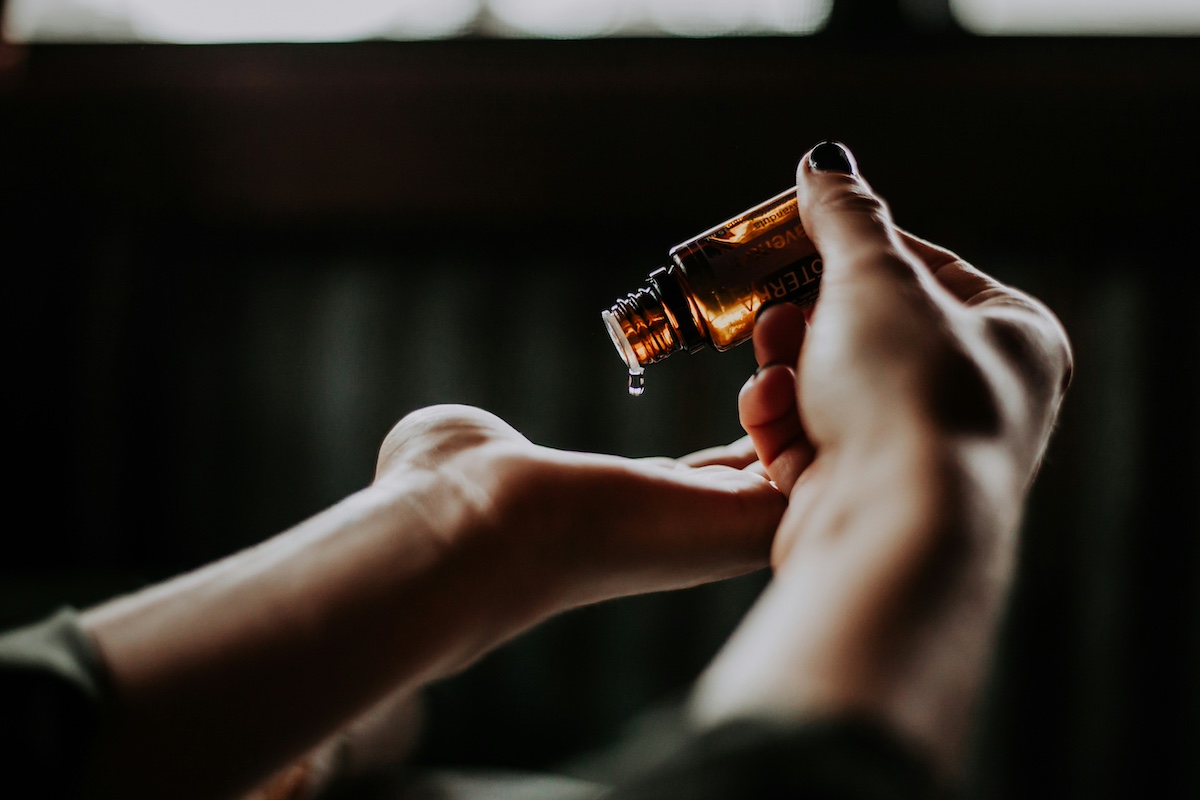
To incorporate calendula into your scar care routine, you can choose either an ointment or an oil. Apply a small quantity of your calendula-based product directly on your clean and dry scars, and delicately massage it for a few minutes or until it's absorbed. Do this daily and you will see results within a month!
Rosehip Seed Oil For Breast Cancer Scars
Rosehip seed oil is a popular choice when it comes to scar healing and skin rejuvenation, especially for surgical scars. Extracted from the seeds of the wild rose, this oil is rich in essential fatty acids, vitamins, and antioxidants. Its ability to penetrate deep into the skin allows it to nourish and repair damaged tissues effectively. For those recovering from breast cancer surgery, rosehip seed oil can be an amazing addition to their healing routine.
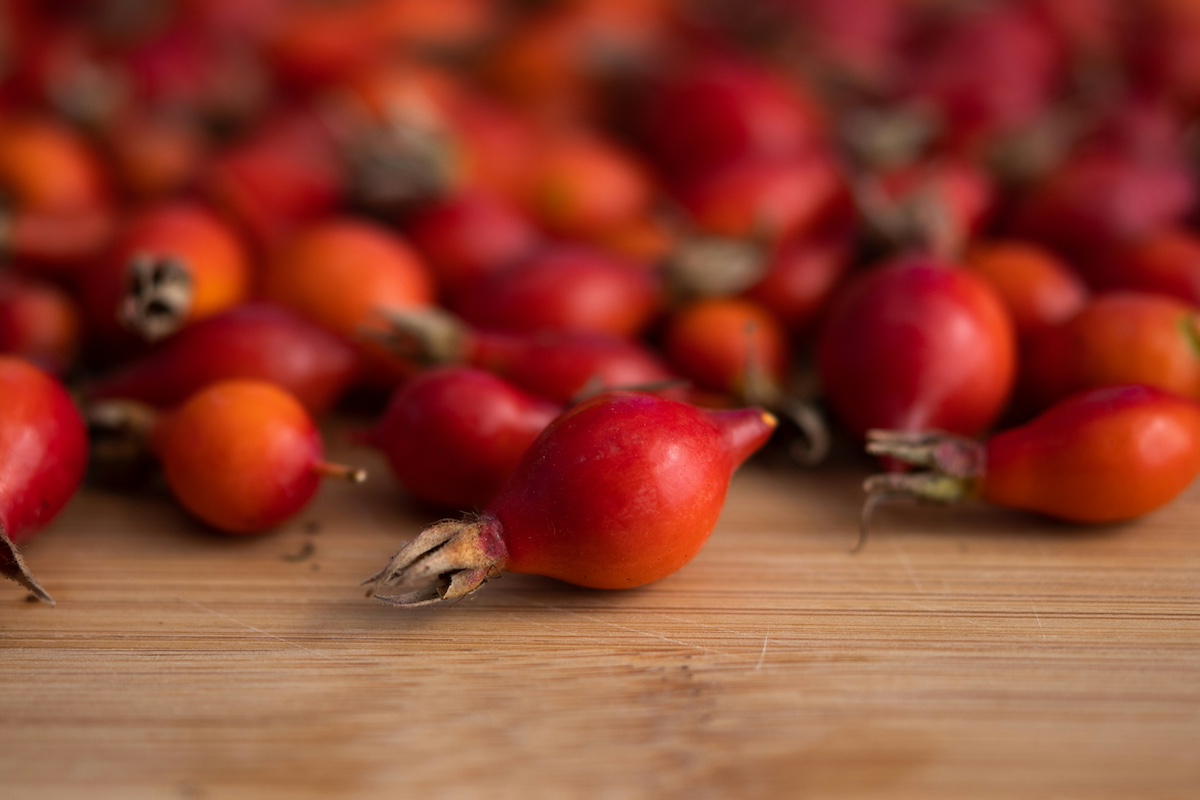
The high concentration of vitamin A in rosehip seed oil is particularly beneficial for scar healing. This vitamin promotes cellular turnover, helping to fade scars and improve skin texture. Regular application can lead to a noticeable reduction in the appearance of scars, making them less prominent over time. Additionally, the oil is rich in linoleic acid, which aids in maintaining skin barrier function, ensuring that the skin remains hydrated. Another important benefit of rosehip seed oil is its anti-inflammatory properties, a nice-to-have addition to the healing process.
Use the oil twice every day for six weeks to start seeing results, but don't use this oil if you have anemia, diabetes, or kidney stones, as some of this oil's properties might interfere negatively with your condition.
Almond Oil: A Well-known Ally Against Breast Cancer Scars
Almond oil, derived from the nuts of the almond tree, is another excellent option for healing breast cancer scars. This oil is known for its emollient properties, making it effective in softening and moisturizing the skin. Almond oil is rich in vitamins E and A, which are famously great at nourishing the skin, promoting elasticity, and minimizing the appearance of scars.
 The emollient nature of almond oil allows it to create a protective barrier on the skin, which helps to lock in moisture and prevent dryness. Keeping the skin well-hydrated is crucial for scar healing, as dry skin can lead to increased tension and irritation around the scar area. Almond oil also contains anti-inflammatory properties that can soothe irritated skin.
Make sure you choose high-quality, cold-pressed almond oil to ensure that you are receiving all the beneficial nutrients without any harmful additives. Add almond oil to your post-surgery care routine by delicately massaging your scars with a small quantity of oil every day.
Lavender Oil: Skincare And Aromatherapy
Aside from its great fragrance, lavender oil is both calming for the mind and incredibly beneficial for skin health. With its antioxidant, anti-inflammatory, and antiseptic properties, lavender oil proves a versatile remedy for various skin concerns, including breast cancer scars.

The calming nature of lavender oil can help reduce stress and anxiety, which are often heightened during the recovery process. Stress can negatively impact the healing process, and using lavender oil for treating scars will also make for a great aromatherapy session. In addition to its calming effects, lavender oil promotes blood circulation, which is essential for delivering nutrients to the skin and facilitating the healing of scar tissue. What's more, its antiseptic properties can help prevent infections.
For effective use, lavender oil can be diluted with a carrier oil and gently massaged onto the scarred area. Daily application can lead to significant improvements in scar appearance, promoting a healthier, more even skin tone.
Precautions And Considerations When Using Oils And Salves
While natural oils and salves can be incredibly beneficial for healing breast cancer scars, it is essential to approach their use with care and consideration. First and foremost, remember to perform a patch test before applying any new oil or salve to a larger area of skin. This helps to identify any potential allergic reactions or sensitivities. Apply a small amount of the diluted oil to a discreet area and wait for a few hours to observe any adverse reactions. If any redness, itching, or irritation occurs, don't use that oil.

Another important consideration is the quality of the oils and salves being used. It is recommended to choose organic, cold-pressed, and high-quality products to ensure that you are receiving the full spectrum of beneficial properties without harmful additives or chemicals. Researching reputable brands and reading ingredient labels can help ensure that you are selecting safe and effective products.
Lastly, consider consulting with your healthcare provider or dermatologist before starting any new skincare regimen, especially after breast cancer treatment. Your doctor can provide personalized recommendations, tailoring a routine that is both safe and effective for your healing journey.
Are you on your breast cancer recovery journey? Explore our favorite bras for post-op comfort!
If you’re looking for a breast cancer nonprofit to support, consider attending one of our events or making a donation.

Bras for Breast Cancer: Top Choices for Post-Op Comfort
Finding the right bra is an essential part of post-surgery recovery for breast cancer survivors. A comfortable and well-fitting bra not only provides physical support but also boosts confidence and helps with emotional healing. In this article, we will explore the best bras specifically designed for post-op breast cancer comfort.
At Pawsitively 4 Pink, we appreciate the uniqueness of every breast cancer survivor, along with their different needs and preferences. That's why we have come up with a selection of bras for breast cancer post-op needs that prioritize comfort, support, and style. Whether you have undergone a mastectomy, lumpectomy, or breast reconstruction, we have options that cater to all.
Our featured bras are crafted from soft, breathable fabrics and offer adjustable straps, front closures, and gentle support to alleviate any discomfort. We have also considered the preferences of survivors who have opted for breast prosthetics, ensuring our recommendations accommodate those needs as well.
Let's explore the options and find the perfect bra to support you on your journey to healing and feeling like yourself again.
 Understanding the Post-Op Needs of Breast Cancer Survivors
 Understanding the Post-Op Needs of Breast Cancer Survivors
At our breast cancer nonprofit, we know that breast cancer surgery, such as mastectomy or lumpectomy, involves the removal of breast tissue, which can leave survivors with physical and emotional challenges. It is crucial to understand the needs of post-op breast cancer survivors when it comes to selecting the best bras for breast cancer recovery.
One of the main considerations is the level of comfort and support. Post-surgery bras should be made from soft, breathable fabrics that do not exacerbate sensitivity. The bras should also provide gentle compression to reduce swelling and promote healing. Additionally, survivors often experience changes in breast size and shape, so bras with adjustable features are essential for a personalized fit.
Another important consideration is the emotional aspect of recovery. Many survivors experience a loss of confidence or a sense of alienation from their bodies. A well-fitting bra that supports and enhances the natural shape can help survivors feel more comfortable and confident. The right bra can also accommodate breast prosthetics, allowing survivors to regain a sense of symmetry.
Finding the Right Bra for Post-Op Comfort
Finding the right bra is crucial for post-op comfort and overall well-being. A poorly fitting bra can cause discomfort, irritation, and even impact the healing process. On the other hand, a well-designed post-op bra can alleviate pain, promote healing, and provide much-needed support.
One of the key factors to consider when selecting a bra after breast cancer surgery is the absence of underwire. Underwire bras can dig into sensitive tissue and cause discomfort. Opting for wire-free bras ensures that there is no unnecessary pressure on the surgical site, allowing for proper healing.
Another consideration regards the features that provide optimal support and comfort. Bras with wide, adjustable straps distribute the weight evenly and reduce strain on the shoulders. They also offer extra support and help maintain proper posture. Additionally, bras with a wide underband provide stability and prevent the bra from riding up or digging in.
Wire-Free Bras for Post-Op Comfort
Wire-free bras are a popular choice for post-op breast cancer survivors thanks to their comfort and support. These bras are designed to provide gentle compression without the use of an underwire, making them ideal for post-surgical recovery. They offer a soft and comfortable fit, allowing breast cancer patients to focus on their healing process without the added discomfort of wires.
One type of wire-free bra that is highly recommended for post-op comfort is the cotton bra. Cotton bras like this one are breathable, hypoallergenic, and gentle on sensitive skin. They are often seamless, reducing irritation and friction against the surgical site. Cotton bras also offer a natural, soft feel against the skin, which can be particularly comforting during the recovery period.
Another option to consider is the bralette. Bralettes are wire-free and often made from soft, stretchy fabrics that provide gentle support. They come in various styles and designs, making them a versatile choice for survivors who want both comfort and style. Bralettes with front closures are especially convenient for easy dressing and adjusting. Check out this bralette specifically optimized for post-surgery wear.
Bras for Breast Cancer Survivors That Provide Optimal Support and Comfort
In addition to wire-free bras, other types of bras are great for post-op comfort. These bras are specifically designed to meet the unique needs of survivors during their recovery period.
Front-closure bras are a popular choice due to their ease of use and comfort. These bras have a convenient front closure, making it easy to put on and remove the bra without any twisting or reaching. Front-closure bras also provide gentle compression and support, making them ideal for post-op recovery.
Seamless bras are another excellent option for post-op comfort. These bras are designed to minimize irritation and sensitivity by eliminating seams that can rub against the surgical site. Seamless bras offer a smooth and soft fit, reducing friction and discomfort. They are often made from lightweight, moisture-wicking fabrics that keep the skin cool and dry.
Front-Closure Bras for Easy Dressing and Comfort
Front-closure bras are a popular choice for post-op breast cancer survivors due to their convenience and comfort. These bras feature a closure at the front, making them particularly suitable for breast cancer patients who have limited mobility or strength following surgery.
Front-closure bras like this one provide gentle compression and support, promoting proper healing and reducing discomfort. They often have adjustable straps and underbands for a personalized fit. Some front-closure bras also feature pockets to accommodate breast prosthetics, allowing survivors to achieve a balanced and natural look.
 When selecting a front-closure bra, it is essential to consider the fabric. Soft, breathable materials like cotton or microfiber are ideal for sensitive skin. These fabrics offer a comfortable fit and help prevent irritation or chafing. Additionally, bras with moisture-wicking properties can help keep the skin dry and cool, enhancing overall comfort.
Seamless Bras for Reducing Irritation and Sensitivity
Seamless bras are an excellent choice for breast cancer patients who want to minimize irritation and sensitivity post-surgery. These bras are specifically designed to eliminate seams, which can rub against the surgical site and cause discomfort. Seamless bras like this one offer a smooth and soft fit, providing relief and promoting healing.
Seamless bras are often made from lightweight, stretchy fabrics that conform to the body without restricting movement. They are typically wire-free and feature adjustable straps for personalized comfort. Seamless bras are available in various styles, including bralettes, sports bras, and full-coverage bras, ensuring there is an option for every preference.
When selecting a seamless bra, it is important to choose one with a breathable fabric that allows air circulation. This helps prevent moisture buildup and keeps the surgical site dry and comfortable. Additionally, bras with a wide underband provide stability and prevent the bra from shifting or digging in.
 Sports Bras for Additional Support During Recovery
 Sports Bras for Additional Support During Recovery
Sports bras like this one are a great option for breast cancer survivors who require additional support during their recovery. These bras are designed to minimize breast movement and provide compression, reducing discomfort and promoting proper healing. Sports bras offer a secure fit and are suitable for various physical activities, from low-impact exercises to everyday wear.
When selecting a sports bra for post-op comfort, consider the level of support required. Low-impact sports bras are ideal for gentle activities or everyday wear. They offer light compression and are often wire-free, making them comfortable for post-op recovery. Medium-impact sports bras provide more support and are suitable for moderate exercises such as yoga or brisk walking.
High-impact sports bras offer maximum support and are recommended for intense physical activities like running or aerobics. These bras are designed to minimize breast movement and provide superior compression, so make sure to consult your medical team if you’re planning on wearing these because they might not be the right choice.
 Bras for Breast Cancer Post-Op Recovery with Adjustable Features
 Bras for Breast Cancer Post-Op Recovery with Adjustable Features
Post-op bras with adjustable features are essential for breast cancer patients who require personalized comfort and support. These bras allow for customization to accommodate changes in breast size, swelling, or the use of breast prosthetics. Adjustable straps, underbands, and closures ensure a comfortable fit that can be tailored to individual needs.
Bras with adjustable straps are particularly beneficial for survivors who have undergone surgery or radiation therapy. These treatments can cause changes in breast size and shape, making it necessary to adjust the straps for a proper fit. Adjustable straps also allow survivors to control the level of support and lift they desire.
Similarly, bras with adjustable underbands provide a customizable fit that adapts to changing needs. Survivors can loosen or tighten the underband to achieve the desired level of compression and support. Adjustable underbands also ensure that the bra stays in place and does not ride up or dig in, enhancing overall comfort.
If you’re looking for more inspiration, check out our latest articles on staying hydrated through breast cancer chemo and how to tell a loved one you have breast cancer.
Natural Nausea Chemotherapy Remedies for Breast Cancer Patients
Struggling with nausea during chemotherapy treatments can make an already challenging battle with breast cancer even more difficult. But there's hope! In this article, we will explore natural and effective remedies that can help breast cancer patients combat nausea and improve their quality of life.
Chemotherapy-induced nausea and vomiting (CINV) affects nearly 70% of cancer patients, but traditional anti-nausea medications may cause unwanted side effects. That's where natural remedies come in! From ginger and peppermint to acupuncture and relaxation techniques, there are various alternative treatments that have shown promising results in reducing CINV.
At Pawsitively 4 Pink, we know and experience how important it is for breast cancer patients to find relief from nausea without compromising their overall health. As a breast cancer nonprofit that supports all kinds of holistic therapy, we have researched and curated the most effective natural remedies specifically for chemotherapy-induced nausea in breast cancer patients. Our goal is to provide you with safe and proven methods to alleviate your discomfort and restore a sense of well-being.

Understanding Chemotherapy and its Side Effects
Chemotherapy is a common treatment for breast cancer. While breast cancer chemo can be effective, it often comes with a range of side effects, including nausea and vomiting. These can significantly impact a patient's quality of life, and at our breast cancer organization, we know this very well.
CINV occurs due to the effect of chemotherapy drugs on the gastrointestinal system and the brain's chemoreceptor trigger zone. The severity of nausea can vary from mild to severe, and it can occur both during and after chemotherapy sessions. For many breast cancer patients, managing nausea becomes a crucial aspect of their treatment journey.
The Impact of Nausea on Breast Cancer Patients
Nausea can have a serious impact on breast cancer patients, affecting their physical and emotional well-being. It can lead to a loss of appetite, weight loss, dehydration, and fatigue. Additionally, constant nausea can contribute to anxiety, depression, and a decreased overall quality of life.
Furthermore, persistent nausea may result in patients avoiding or delaying their chemotherapy sessions, which can have detrimental effects on the effectiveness of their treatment. It is essential to address nausea effectively to ensure that breast cancer patients can continue their treatment with minimal disruptions.
Natural Nausea Chemotherapy Remedies
Fortunately, there are natural remedies available that can help patients manage and alleviate the nausea caused by breast cancer chemo. These remedies have shown promising results in scientific studies and are safe and effective when used appropriately. Let's explore some of the most popular natural remedies for battling nausea during breast cancer chemo.
Ginger: A Powerful Anti-nausea Herb
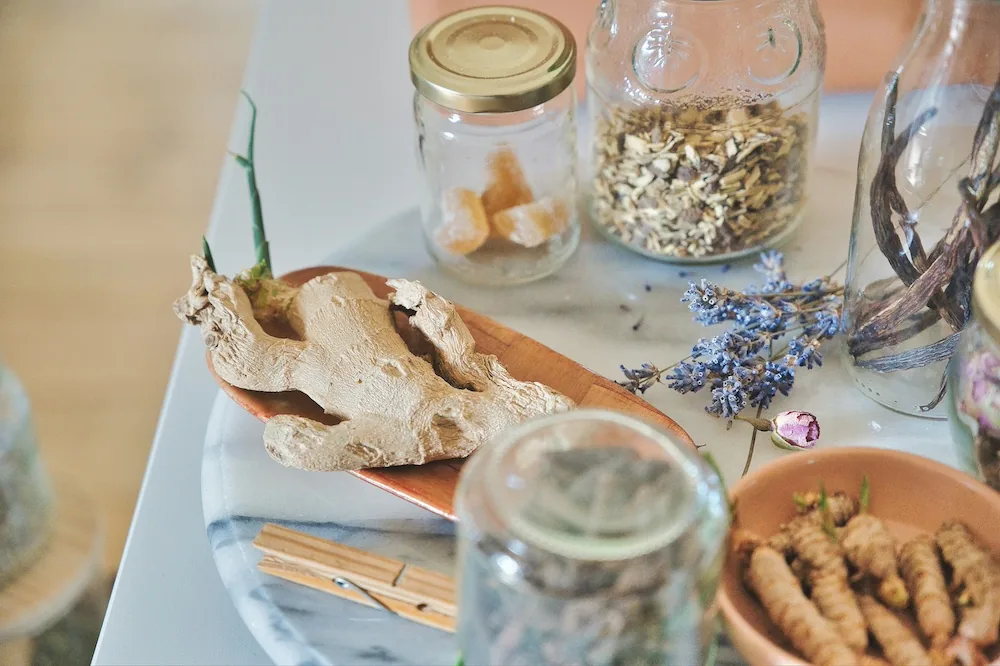
Ginger has been used for centuries as a natural remedy for various ailments, including nausea. Ginger contains bioactive compounds, such as gingerol, which have anti-inflammatory and antioxidant properties. These compounds are believed to help reduce nausea by affecting the digestive and central nervous systems.
Several studies have shown that ginger can effectively reduce CINV in breast cancer patients. It can be consumed in various forms, such as ginger tea, ginger capsules, or even raw. If you like infusions, ginger tea is a great option both to fight nausea and to stay hydrated, which is crucial when undergoing breast cancer chemo. Find out more ways to stay hydrated here. Adding ginger to your diet or discussing ginger supplements with your healthcare provider may provide relief from chemotherapy-induced nausea.

Peppermint: Soothing and Calming
Peppermint is another of our favorite natural nausea chemotherapy remedies. It has been used for centuries to alleviate digestive issues, including nausea. The active compounds in peppermint, such as menthol, have a soothing effect on the stomach muscles and can help relieve nausea and vomiting.
Research has shown that peppermint oil can effectively reduce CINV in breast cancer patients. It can be used in the form of peppermint tea, peppermint oil capsules, or even by inhaling the scent of peppermint essential oil. However, it's essential to consult with your healthcare provider before using peppermint oil, especially if you are undergoing chemotherapy.
Acupuncture: Stimulating the Body's Natural Healing Response
Acupuncture is an ancient Chinese practice that involves the insertion of thin needles into specific points on the body. It is believed to stimulate the body's natural healing response and restore balance. Acupuncture has been used for centuries to alleviate various symptoms, including nausea and vomiting.
Acupuncture has been proven to reduce CINV in breast cancer patients. The stimulation of specific acupuncture points is believed to activate the release of endorphins and other neurotransmitters that help alleviate nausea. If you are considering acupuncture as a natural remedy for nausea, it's essential to seek a qualified and licensed acupuncturist who has experience working with cancer patients.
Aromatherapy: Using Essential Oils to Alleviate Nausea
Aromatherapy involves the use of essential oils derived from plants to promote relaxation and well-being. Certain essential oils, such as peppermint, ginger, and lavender, have been found to have anti-nausea properties and can be beneficial for breast cancer patients experiencing CINV.
Inhaling the scent of essential oils or using them in a diffuser can help alleviate nausea and promote a sense of calm. However, it's important to remember that essential oils are highly concentrated and should be used with caution. It's recommended to consult with a qualified aromatherapist or healthcare provider before using essential oils, especially during chemotherapy. Check out these essential oils to get rid of chemo-induced nausea. 
Mind-Body Techniques for Nausea Relief
In addition to the nausea chemotherapy remedies we have just seen, mind-body techniques can also play a significant role in managing chemotherapy-induced nausea. These techniques focus on the connection between the mind and body and aim to promote relaxation and reduce stress.
Techniques such as deep breathing exercises, guided imagery, meditation, and progressive muscle relaxation have shown promise in alleviating nausea and improving overall well-being. These techniques can be practiced individually or with the guidance of a trained professional, such as a psychologist or a certified yoga instructor.
Integrating Complementary Therapies with Medical Treatment
While natural remedies and complementary therapies can provide relief from chemotherapy-induced nausea, it's important to remember that they should not replace medical treatment. These remedies can be used alongside traditional anti-nausea medications, under the guidance of a healthcare provider, to help reduce the nausea that chemo induces.
It's crucial to communicate openly with your healthcare team about your desire to incorporate natural remedies into your treatment plan. They can provide guidance, monitor your progress, and ensure that the remedies you choose do not interfere with your medical treatment.

5 Tips to Stay Hydrated through Breast Cancer Chemo
Working with patients at our breast cancer nonprofit, we have immediately learned that staying hydrated during breast cancer chemo is crucial for maintaining overall health and well-being. As the body faces intense treatment, dehydration can worsen the side effects and make the healing process more difficult. So, if you or a loved one are going through this challenging journey, it's essential to prioritize hydration. In this article, we will share 5 tips to stay hydrated and minimize the effects of chemotherapy.
 Staying hydrated is crucial no matter your health condition, but it becomes increasingly important as you go through your breast cancer journey, especially through treatment. Dehydration is often overlooked, even more so when compared to bigger health concerns that may be caused by the side effects of chemo, but staying hydrated can be the key to help you feel better and face challenges with more energy.
Let's dive in and explore our 5 tips to stay hydrated through breast cancer chemo.
How Chemotherapy Affects Hydration Levels
The medications used in breast cancer chemo can cause side effects such as diarrhea, vomiting, and excessive sweating. This significantly affects hydration levels, which should stay high throughout the treatment to prevent further complications.
Chemotherapy-induced diarrhea is a common side effect that can contribute to dehydration. It is important to monitor bowel movements and consult with your medical team if you experience frequent or severe diarrhea. Vomiting can also lead to fluid loss, and anti-nausea medications may be prescribed to help manage this side effect. Excessive sweating can rapidly consume the body's fluids.
Signs of Dehydration During Chemotherapy
During breast cancer chemo, it's essential to be aware of the signs of dehydration so you can take immediate action. Common signs of dehydration include dark yellow urine, dry mouth, fatigue, dizziness, and decreased urine output. If you experience any of these symptoms, it is important to increase your fluid intake immediately. Dehydration is considered severe if you experience one or more of these symptoms: extreme thirst, inability to sweat, low blood pressure, and disorientation.
5 Tips to Stay Hydrated Through Breast Cancer Chemo
- Set a water intake goal: Having a specific goal for daily water intake can help you stay on track. Aim for at least 8-10 glasses of water per day, or as recommended by your healthcare provider. Keep a water bottle with you at all times as a reminder to drink regularly.
- Include hydrating foods in your diet: incorporating hydrating foods in your diet, like fruits and vegetables with high water content, will help greatly. Aim to eat watermelon, cucumbers, oranges, and strawberries. Soups and broths can also contribute to your overall fluid intake. Check out these healthy recipes you can make to prevent breast cancer.
- Manage nausea and vomiting: If you're experiencing these side effects, try sipping small amounts of water or other clear fluids throughout the day. Ginger, either in the form of ginger tea or ginger candies, can help alleviate nausea. Consult with your healthcare provider for additional anti-nausea medications or strategies.
- Stay motivated and track your water intake: Staying motivated to drink enough fluids can be challenging, especially during breast cancer chemo. Set reminders on your phone or use a water-tracking app to stay on top of your hydration goals. Here are some we recommend. Celebrate small victories and reward yourself for staying hydrated!
- Work closely with your medical team: They are your best resource through breast cancer chemo, so remember to communicate any concerns or difficulties you may be experiencing, and they will be there to help you.
 Other Hydrating Beverages to Consider
 Other Hydrating Beverages to Consider
In addition to water, there are other hydrating beverages that you can incorporate into your routine. Herbal teas, such as chamomile or peppermint, can be soothing and hydrating. Coconut water is another excellent option as it contains electrolytes that can help replenish the body's fluids. You can even mix water with the hydrating foods we just listed and obtain fresh, tasty infusions that are also perfect for fighting the heat. Try adding some watermelon, cucumber, strawberry, or orange slices to your water.
Avoid beverages with caffeine and alcohol as they can have a diuretic effect, leading to increased fluid loss.
Lifestyle Changes to Support Hydration During Breast Cancer Chemo
Avoid excessive heat and stay in cool environments to minimize fluid loss through sweating. Wearing loose, breathable clothing can also help regulate body temperature. Additionally, using a humidifier at home can prevent dryness.
Finding Help and Support while Fighting Breast Cancer
If you need breast cancer financial help, our Massachusetts breast cancer nonprofit can help you: check this section to verify if you're eligible for one of our grants.
If you want to support the work we do for underserved women who fight breast cancer in Massachusetts, consider donating, volunteering, or attending our events.

Healthy Diet and Recipes to Fight Breast Cancer
Although this blog and our nonprofit, Pawsitively 4 Pink, are not a source for medical advice, it is widely accepted that maintaining a healthy diet to avoid breast cancer works. A healthy diet that helps us avoid and fight breast cancer is full of antioxidants, fresh fruit and vegetables, and organic products that boost your immune system and help your body stay strong.
Of course, a healthy and well-balanced diet is crucial for overall well-being and becomes even more important when it comes to fighting breast cancer. A nutrient-rich diet boosts the immune system, promotes healing, and potentially helps our body's natural defenses for fending off breast cancer. To guide you on your breast cancer journey, we're listing the best foods to include in your diet, those that can strengthen the immune system, and ones to avoid during breast cancer treatment and recovery.
Breast Cancer Diet: Foods to Boost the Immune System
Our immune system is what fights for us when we get sick - from the common cold, the flu, to cancer, our body's immune response is our natural defense system. Keeping it strong is one great way to support our bodies in the fight against breast cancer.
Fresh, Organic Fruits and Vegetables
Packed with antioxidants, vitamins, and minerals, fruits and vegetables are essential for supporting the immune system. Read more about what sorts of food to bolster your diet with antioxidants here.
Organic berries, ripe citrus fruits, leafy greens, and cruciferous vegetables like broccoli and cauliflower are particularly beneficial. Read more about what a cruciferous vegetable is and what makes them so good for us here.
Whole Grains
Opt for whole grains like brown rice, quinoa, whole wheat bread, and oats to provide complex carbohydrates, fiber, and essential nutrients that contribute to overall health.
When grains become over-processed, they break down into simple sugars that cause more harm than good to our bodies. Read more about the benefits of eating whole grains and where to find them here.
Lean Proteins
Build lean protein into your diet with sources like chicken, turkey, fish, tofu, seitan, and legumes. Protein is vital for repairing and building tissues, crucial during cancer treatment. This is especially true for any patients undergoing invasive surgeries, as the body needs as much help as it can get rebuilding.
Healthy Fats
This is a great opportunity for helpful and healthy snacking - healthy fats like avocados, nuts, seeds, and olive oil round out a cancer patient's diet by providing energy and supporting nutrient absorption. All those antioxidants and nutrients are useless unless they're properly absorbed by the body.
Read more about how eating healthy fats actually increases vitamin absorption.
Foods that Fight Breast Cancer
In addition to the foods listed above, the following foods are important for breast cancer survivors. Including them in your daily diet decreases the likelihood of cancer recurrence, or can help fight against cancer developing in the first place.
Cruciferous Vegetables
As we mentioned above, foods like broccoli, cabbage, Brussels sprouts, and kale provide nutrients like sulforaphane, formed from glucosinolates, that may have protective effects against different cancers. Read more about how cruciferous vegetables can help the body in the battle against cancer.
Fatty Fish
Omega-3 fatty acids found in salmon, mackerel, and sardines have anti-inflammatory properties that may contribute to breast cancer prevention. Omega-3s are well-known for their anti-inflammatory properties, making them a staple in any health, cancer-fighting diet.
Berries
Yes, organic berries are worth the price. The antioxidants in berries, such as strawberries and blueberries, have been linked to a reduced risk of breast cancer as they protect against cellular damage and the development of cancerous cells.
Walnuts
We're getting a little specific here, but according to multiple studies, individuals who consumed high amounts of nuts, including walnuts, peanuts, and almonds weekly were 2-3 times less likely to develop breast cancer.
Read about a few more foods that help our bodies in the fight against breast cancer.
What Foods to Avoid with Cancer
You'll find these foods practically everywhere - in the grocery store, restaurants, and gas stations. That's why it's so important to understand the risks when choosing to consume these widely available yet potentially harmful foods. These are foods not to eat with breast cancer.
Processed Foods
Processed foods include everything from marshmallows to organic oat crackers.
A “processed food”, as defined by the US Department of Agriculture, is a food “that has undergone any changes to its natural state—that is, any raw agricultural commodity subjected to washing, cleaning, milling, cutting, chopping, heating, pasteurizing, blanching, cooking, canning, freezing, drying, dehydrating, mixing, packaging, or other procedures that alter the food from its natural state.”
Processed foods are dangerous because they're high in unhealthy fats, sugars, and additives, which heavily contribute to inflammation and actively hinder the body's healing process.
It's crucial for cancer patients or those working to avoid cancer to eat and cook with whole foods. When possible, we recommend even exploring how to make staples like pasta, marinara sauce, bread crumbs, et cetera at home from scratch with whole ingredients. That way, you can avoid additives companies add to processed foods.
It's easier than you think. Check out this simple at-home pasta recipe. All you need is flour, eggs, olive oil, and salt!
Excessive Alcohol
Alcohol consumption is linked to an increased risk of breast cancer. Limiting or avoiding alcohol for those at a high risk of developing breast cancer and during breast cancer treatments is advisable.
But the party doesn't have to stop - non-alcoholic beverages, or “mocktails”, are becoming popular all across the country. Take a look at some delicious simple mocktail recipes to try during breast cancer treatment.
Our Favorite Recipes to Fight Breast Cancer
Below you'll find two of our favorite recipes to fight breast cancer. We whip up these recipes often for ourselves or friends fighting breast cancer; they're simple, nutrient-packed, and antioxidant-rich.
Our Recipe for a Superfood Smoothie:
This delicious smoothie is one of our best recipes for patients with cancer.
Ingredients:
- 1 cup mixed berries (blueberries, strawberries, raspberries)
- 1 banana
- 1 cup kale or spinach
- 1 tablespoon chia seeds
- 1 cup almond milk
- Ice cubes (optional)
Instructions:
- Use a blender to blend all ingredients until smooth.
- Optionally, serve with a squeeze of fresh lemon juice and a few drops of agave syrup to brighten and sweeten the flavor.
*Pro tip: It's crucial to use whole fruits and vegetables for this recipe. Juices don't carry the necessary nutrients, vitamins, and fibers.
Our Recipe for Baked Salmon with Quinoa and Roasted Vegetables:
This baked salmon recipe is a wonderful lunch or dinner option and is definitely on our list of best recipes for cancer patients.
Ingredients:
- 2 salmon fillets
- 1 cup quinoa, cooked
- Assorted vegetables (bell peppers, zucchini, cherry tomatoes)
- 2 tablespoons olive oil
- Lemon, herbs, and spices for seasoning
Instructions:
If it's your first time cooking quinoa, don't worry, it's simple. Follow along on how to cook quinoa perfectly here.
- 1. Preheat oven to 400°F (200°C).
- 2. Slice vegetables into bite-sized pieces.
- 3. Season salmon with herbs, spices, and a squeeze of lemon. Place salmon and vegetables on a baking sheet, drizzle with olive oil, and bake for 15-20 minutes. Serve atop cooked quinoa for a balanced and delicious meal.
While a healthy diet cannot replace medical treatment for breast cancer, it undoubtedly plays a supportive role in breast cancer recovery. Always consult with a healthcare professional or a registered dietitian to create a personalized diet plan tailored to your specific needs and preferences.
Looking for more breast cancer recipes and diet tips? Check out our blog about 8 more healthy recipes for breast cancer patients.
Curious about the work we do to financially support women battling breast cancer? Find out more about our Pawsitively fabulous nonprofit and the impact we make.

The Importance of Self-love in the Breast Cancer Journey
While one incredible aspect of your fight against cancer is realizing the mass quantity of people in your life that deeply love and care about you, radical self-love will be what buoys you through your cancer journey.
In many ways, the externally sourced love that our friends, family, and spouses provide is one of the most beautiful things we can experience. External love is highly sought after but comes in second place after true self-love. We can practice true self-love by taking the time to understand, nourish, and care for ourselves deeply, hence providing the courage, resilience, and positivity that help remedy breast cancer.
The breast cancer journey - from diagnosis to treatment and remission - is a winding path that only one person in your life will witness every second of. That's you. Bearing witness to your illness, struggle, and eventually overcoming cancer altogether is you; body, mind, and soul. That's why it's critical to give yourself the love you need, to treat every part of you with the same respect, diligence, and duty that you provide to those around you. Nourishing your body with the right food and drink, your mind with enriching books or entertaining TV shows, and your spirit with mindfulness or gratitude practice is exactly what will guide your recovery during all the highs and especially the lows.
 Self-compassion is bound to bloom
 Self-compassion is bound to bloom
It's easier said than done. Self-love can prove difficult for many, especially those who fall into the traditional female role; or those who have been the givers in our society rather than the receivers of selflessness and affection. It takes radical self-awareness and strength to turn that practice of giving around and, instead, aim it at ourselves. While it may be uncomfortable at first, getting used to practicing self-love provides us with the energy we need to make it through each day. There are a myriad of ways to explore and practice spiritually; from self-love affirmations, to self-love books, to even authoring a breast cancer blog that reflects on your journey and celebrates your achievements. A personal journal is another great way to let it all out - and there's no need to be strictly positive here! Sometimes, the best way to feel heard is to let your deepest concerns and negative feelings out onto the page. Self-expression is essential to self-love; it's important even on tougher days. Make space to listen to yourself.
Inspirational quotes about beating breast cancer and breast cancer affirmations may not be something you've appreciated in the past, but studies show that this intentional positivity brings self-awareness to the parts of ourselves that need it most. Many medical professionals believe that positivity affects everything from physical recovery after invasive surgeries to even lowering levels of pain and more. Many who receive their diagnosis have certain ideas regarding breast cancer. For example, some may think that the only person who is able to change the situation is the doctor, when it's actually true that each sick individual has a certain power to shape their experience. So even if you've never tried it before, take a minute to say some of these self-love affirmations out loud to yourself. It's even more helpful to repeat them while looking at yourself lovingly into a mirror. One of our favorites is "I bloom where I am planted. My roots have never been stronger."
 Self-love sews the seeds of resilience
 Self-love sews the seeds of resilience
We strengthen our roots with self-love. Really paying attention to our needs, wants, and desires, and making sure those parts of ourselves feel heard is crucial because it's what aids you in continuing to value yourself during such a tumultuous time. Valuing yourself in these moments when you may not feel as lovable as you once did is what builds resilience and tolerance for your lowest lows. Sometimes, knowing that you're not alone in your experience is exactly the recognition, validation, and inspiration we need to keep going.
Our founder Michelle shares her story here, about the realizations she had while witnessing her mother and close friends battle against cancer and the thoughtful advice she has for patients and survivors. One suggestion she has is to keep both your body and mind nourished with healthy foods. Maintaining a well-fuelled body while you fight a detrimental physical illness is one of the keys to staying positive; there is no line where the body ends and the other mind begins. Staying healthy physically is also the key to staying balanced mentally. You can find eight of her favorite recipes for fighters and survivors here.
Becoming your own best friend
For some who struggle with self-love, it helps to imagine what you would say to or do for your best friend, or imagine that you are your own child. For many, it is easiest to show those closest to us unconditional love, and tapping into that feeling you have for your best friend, spouse, children, or parents is the most effective way to start to redirect that love back to yourself. Imagine seeing a loved one struggling the way you are and imagine what you would do for them. Maybe you would go to their house to watch their favorite movie and eat popcorn side by side, or make or buy them a small gift, or even bring them a bouquet of flowers. Now, try doing one of those things for yourself.
Another similar tool for starting your self-love journey is keeping a list of the activities and things you really enjoy - chocolate molten lava cake, listening to Fleetwood Mac, lighting a candle and drawing a bath, taking your dog for a long walk - and intentionally choose to do one of those things for yourself every day. Loving yourself throughout your cancer journey will make you endlessly compassionate towards yourself on the hard days, and motivate you to stay positive on your good days. We at Pawsitively 4 Pink know firsthand that there is no better way to spend your time than loving yourself well; you are your best asset.

Staying PAWsitive During a Difficult Time
Tips for Maintaining a Positive Attitude
It's often said that hard times don't last, but the question is, how can you overcome those hard times? How can you get to the place of celebrating your resilience? When the present moment isn't ideal, staying positive during a difficult time isn't easy.
First and foremost, you need to understand that difficult times do occur in life. Once you accept that fact, then you can deal with any situation head-on. If you are having difficulties financially, socially, or in terms of health, here are a few ways to help you stay positive during this difficult time until you reach the finish line.

1. Guard your mind
You are what you think. Therefore, you should filter any negative thoughts before they take up residence in your mind. It's true that when something negative occurs in our lives, we are wired to get bombarded with negative thoughts, and unfortunately, this is very normal. But the issue isn't those negative thoughts. The issue is how long you will let them drag you down. Choose to see the positive side of things. See yourself making it. Do not focus on the event, focus on the process of getting out of there. Having a positive mindset can make a world of a difference.
2. Meditate
Different kinds of meditation can help you maintain a positive mindset. One method of meditation is to focus on what improves your attitude, feelings, and healing. You can even create your own personal mantra. Say something positive every morning when you wake up. Think of one thing that you can focus on and think through it with no stress or tension. You can think about your favorite memories and hold on to them. The same energy you use to focus on negative things is the same amount of energy you can use to focus on the positive. Being intentional about the energy you create around yourself is essential to staying positive. Focusing on the positive is energy conservation and can drastically improve your mental health.

3. Keep a gratitude journal
Gratitude is the antidote to a poor attitude. The best way to continually express your gratitude is by keeping a journal. Be mindful about being grateful and find something to be thankful for each day. This way, you will give less power to negative emotions. Your mind will be programmed to think on the positive side of things. Your self-esteem will improve and instead of resenting your difficult situation, you will be thankful for something. Spending some time writing down your thoughts before you go to bed will also help you sleep better as your mind will be clear of any clutter.
4. Listen to some good music
Difficult times should not stop you from enjoying the best or your favorite things in life. Music is one of these things and all you need to do is tune in to your favorite radio station or open up that Spotify playlist. Music helps you express your feelings unashamedly. According to research, music can evoke a more positive mood. You can roar like a tiger with Katy Perry or become a survivor with Diana Ross. And if a sad song comes on air? Go through the motions, cry all the tears you want, and clear your system. After that, hold your head up high, stay positive, and keep going, because you got this.
5. Spend time with loved ones
You are the average sum of the people who you spend the most time with. So, invest your time appropriately. Think of those friends and family members who make you smile when you are feeling down. These people could be anywhere in the world, but they want to be around you. This is the support system you need since you can be your genuine self around them. Share with them, talk with them, rant, or even be silent with them. These are friends who inspire you to be courageous and spending time with such people improves your attitude and positive outlook on life. Your mind will absorb all this positivity and use it as an immune booster. Plus, such close friends are also good at ensuring you take care of yourself, even during the hardest times when you don't feel like it.
6. Enjoy more of the sun
It's a well-known fact that spending too much time in the sun is dangerous. However, there is also evidence that spending moderate time under the sun is good for your mood and body clock. Apply that SPF and enjoy some time soaking in the rays and getting some Vitamin D. This will not only help you sleep better and improve your circadian rhythm, but it will also cheer you up. It's been proven that getting sun increases your serotonin which helps with anxiety and depression. Next time you have a few minutes, go for a walk, plan a picnic, or sit in the garden to help improve your mood and positive thinking.

7. Take a walk with your PAWsitive friend
Why not get fit and have fun while doing it? Daily walks with your dog (or cat, if they want) are a great way to take your mind off things. Going on regular walks with your dog is a form of exercise that will not only benefit your physical health like your joints and muscles but will help you get your mind off things. Be present and take in the sights and sounds. Simply establish a routine to make it part of your daily life. At times you may not feel like going for a walk, but whether it's with the help of your dog with those puppy eyes or a glance at your daily agenda, remind yourself that a little exercise and some pet therapy can do you some good.
8. Do something nice for others
Do something for someone when they least expect it. Say a kind word or offer them some tea or baked treats. Putting a smile on someone's face makes us feel alive and of course, makes us happier too. You get to feel that you are of value. Being kind to others creates a feeling of purpose and eliminates isolation. By doing this you will have a different perspective on life. Instead of focusing on your difficulty, you will focus on how to make the world a better place.
Always remember that you will always win with a positive attitude. This is what will change your will and let you blossom. Positive energy and thinking will help you overcome whatever difficulties come your way. Smile, laugh, cry but through it, all, remain strong because there is always sunshine after the rain.
If you want to help the women in our community stay PAWsitive in the face of breast cancer, make sure to check out our volunteer opportunities and, if you can, donate to our cause. We appreciate every single one of your kind gestures!